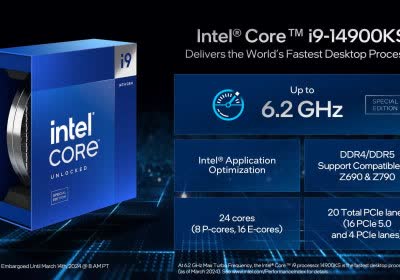
Intel is relaunching the Core i9-14900K... wait, it's the 6.2GHz Core i9-14900KS
It's a slightly faster version of the same CPU. Costs a lot more, though

How should you keep your CPU cool? The more powerful your CPU is, the bigger and better cooler you'll need, but rest assured our guide will cover many great options at every size and price point.

It's time to take an updated look at the gaming performance of the Core i9-14900K and Ryzen 7 7800X3D, comparing head-to-head AMD and Intel's best gaming processors to see which one you should buy.


If you're in the market for a new system or platform upgrade, and you've decided to go with Intel's 14th-gen Core CPU platform, these are the new Z790 motherboards you want to be aware of.

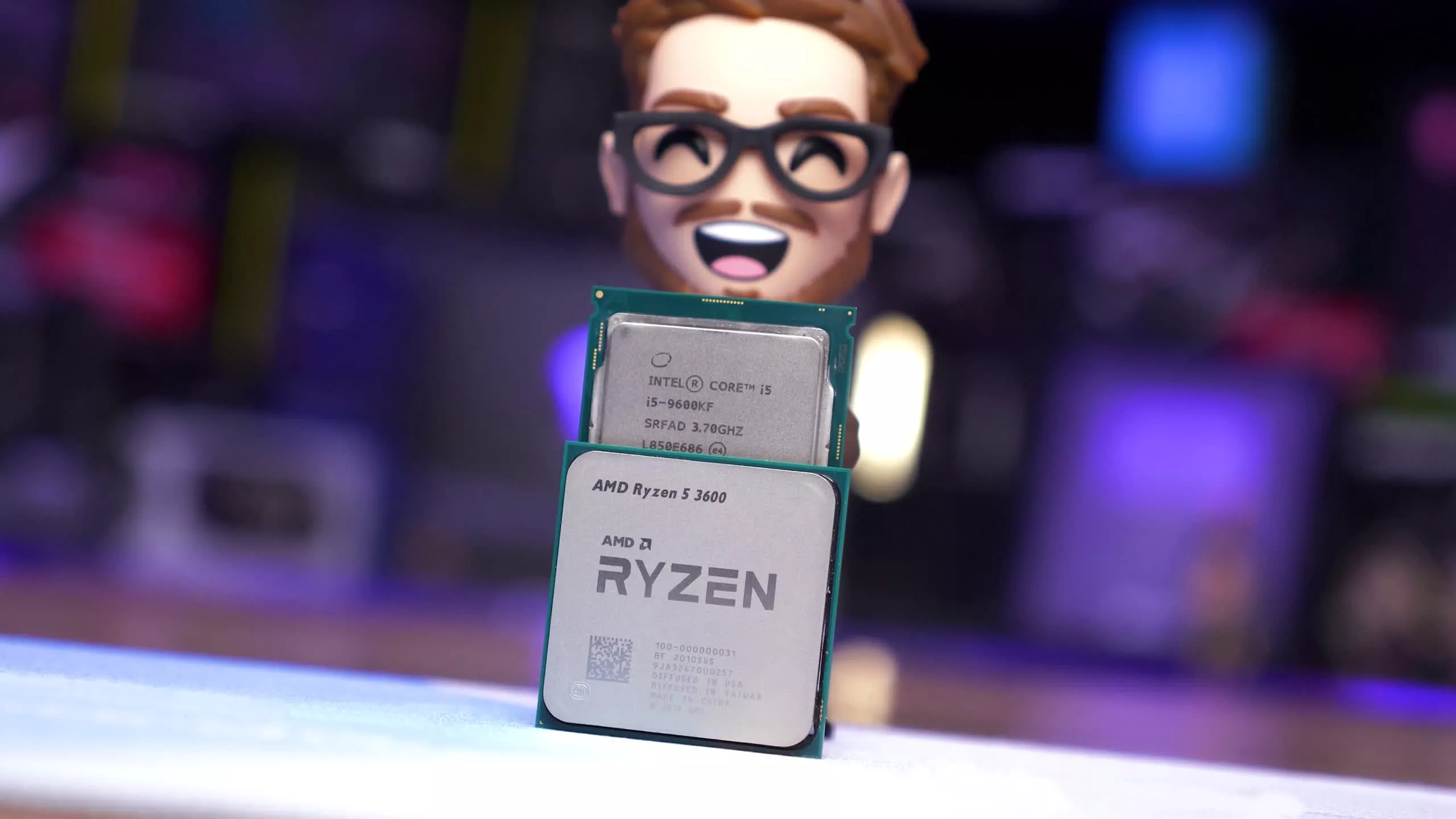
Let's revisit the gaming performance of two budget CPUs from years past: the Ryzen 5 3600 and Core i5-9600K to see how they compare in today's games but also determine which platform has aged best.
A look at the CPU market and pricing to see what would truly constitute a Black Friday sale and give our advice on the kind of deals you can expect during the holiday shopping season.

Following up with our CPU testing from last week: How do the 3700X and 9900K compare today, and how does the 9900K stack up against the 5800X3D? It's an interesting question and a great comparison to look back on.

Today we're taking a look back at CPUs released in the last 4 to 5 years, the Ryzen 7 3700X and Core i9-9900K. There's a good reason (but not an obvious one) why we chose these two CPUs.

A clock-for-clock (IPC) test of Intel LGA 1700 processors: we're comparing the 12th-gen, 13th-gen, and "new" 14th-gen CPU models to offer insight into their architectural improvements, if any.

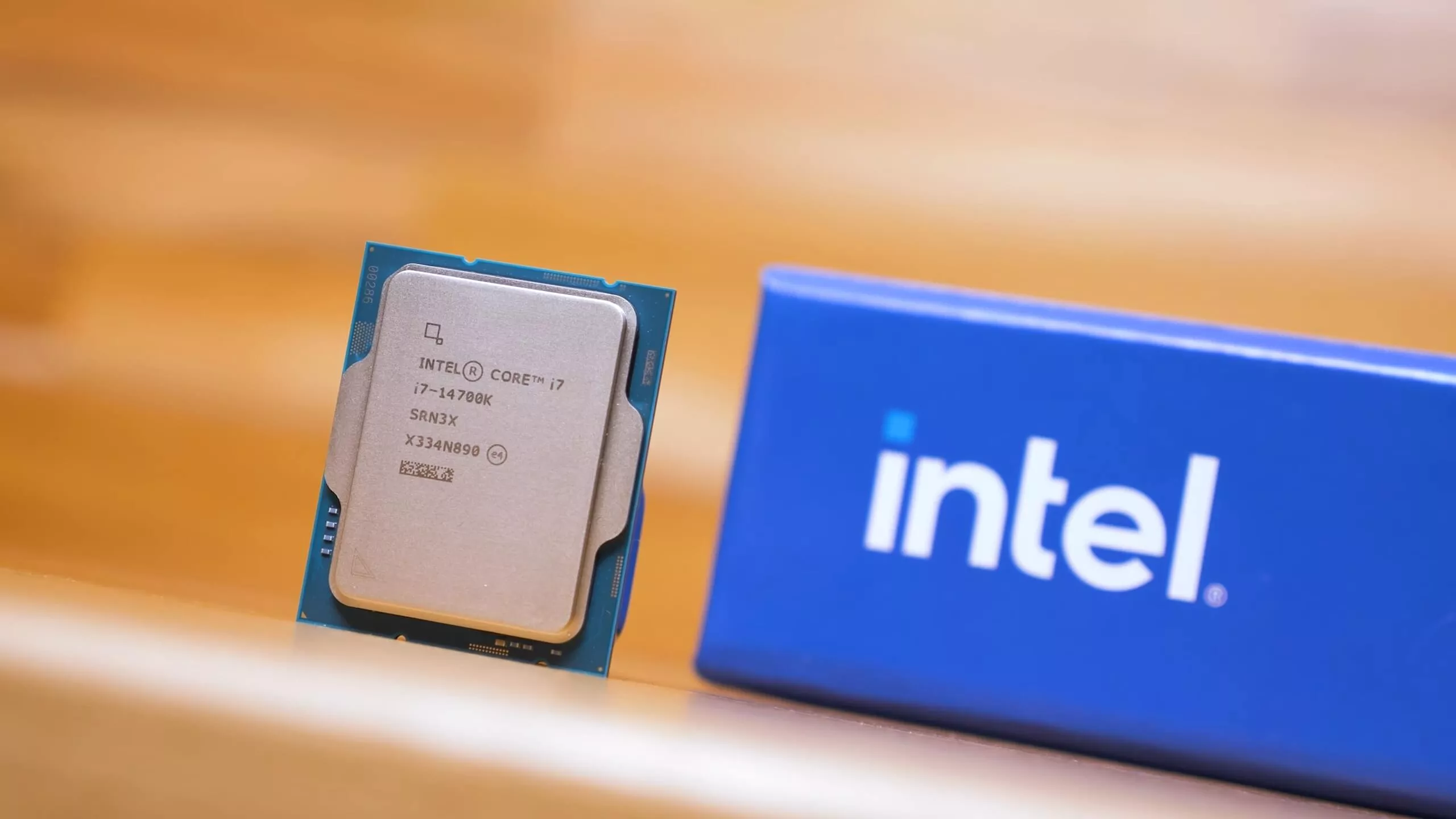
Intel is launching today their latest-gen Core desktop CPUs with three new models: the Core i9-14900K, Core i7-14700K, and Core i5-14600K, all sound familiar, maybe too familiar. Let's test them.
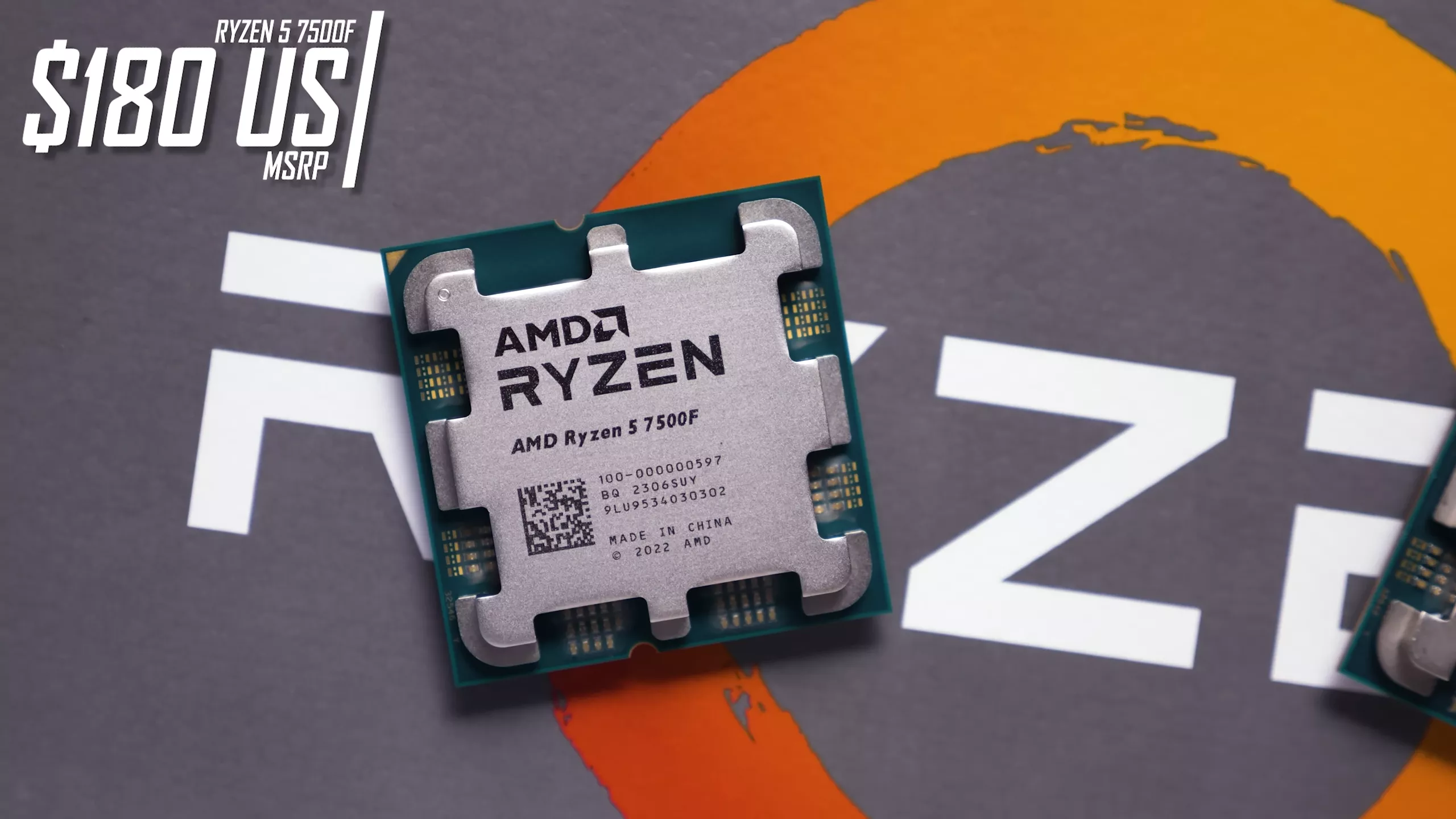
The Ryzen 5 7500F is AMD's most affordable Zen 4-based CPU, though it's still a bit of an elusive offering, in this review we'll be comparing it against its chief rival, the Intel Core i5-13400F.
With competition at an all-time high, the ongoing rivalry between AMD and Intel has resulted in competitive pricing and performance across the board, which is excellent news for consumers.

When it's time for a CPU upgrade, it's crucial to assess your system and consider your specific needs first. In this article we ask five questions as a guide to assist you in choosing a new processor.

Here's an updated look at AMD's Ryzen 7 7800X3D when tested against Intel's best offering, the Core i9-13900K. Expect a head-to-head shootout in terms of gaming performance and power consumption.

It's time for a classic AMD vs. Intel head-to-head gaming battle, comparing the Ryzen 7 7800X3D against the Core i7-13700K, both high performance CPUs and a close match in terms of pricing.

Following our series of CPU & GPU scaling benchmarks, it's time for a comparison between Intel's new Core i5-13400 and the tried and true AMD Ryzen 7 5700X.

In this explainer we support with data why testing CPU performance with a GPU bottleneck is a bad idea, so you can have a full understanding of our testing methods when reviewing CPUs.

The Core i5-13500 is Intel's new $250 offering, packing 14 cores, 20 threads and 35.5 MB cache. This is an interesting CPU that packs the larger L3 cache capacity of the Raptor Lake i5's for less.

The previous generation version of the Core i3-13100 was one of our favorite budget CPUs, so we're keen to see what this updated 13th-gen version has to offer.

The new Core i9-13900KS is very much like the 12900KS and 9900KS before it – this is a mildly overclocked 'special edition' CPU, binned silicon meant to be a little faster and more expensive.
