TechSpot Reviews
Comprehensive tech reviews: From CPUs and graphics cards, to laptops and smartphones
Latest Reviews
-
![Doom: The Dark Ages, 36 GPU Benchmark]()
Doom: The Dark Ages, 36 GPU Benchmark
Doom: The Dark Ages is the latest ray-traced FPS from id Software. We'll be benchmarking the "hell" out of it, and no doubt a few configurations will be doomed. -
![Nvidia's RTX 5060 Ti 8GB is Even Slower than the Intel Arc B580]()
Nvidia's RTX 5060 Ti 8GB is Even Slower than the Intel Arc B580
We test Nvidia's RTX 5060 Ti to reveal why the 8GB version struggles badly in modern games–and how it stacks up against Intel's much cheaper Arc B580 in VRAM-limited scenarios. -
![LG 45GX950A Review: The Ultimate OLED Ultrawide?]()
LG 45GX950A Review: The Ultimate OLED Ultrawide?
LG's new 45-inch 4K-class ultrawide OLED, the 45GX950A, delivers major upgrades in resolution and immersion–but its aggressive 800R curve may not suit all gamers or productivity users. -
![Instantly Obsolete: Nvidia RTX 5060 Ti 8GB Review]()
Instantly Obsolete: Nvidia RTX 5060 Ti 8GB Review
Nvidia tried to bury early reviews of the 8GB RTX 5060 Ti, but now the truth is out–and it's not pretty. With outdated specs and poor value, this GPU leaves a lot to be desired in 2025. -
![Nvidia GeForce RTX 5060 Ti 16GB Review]()
Nvidia GeForce RTX 5060 Ti 16GB Review
While popular with gamers, Nvidia's RTX 4060 series was a letdown. Now, with the RTX 5060 we see history repeating. We're digging into what's changed and what Nvidia doesn't want you to see. -
![Is DDR5-8000 Worth It? The Ryzen AM5 Test]()
Is DDR5-8000 Worth It? The Ryzen AM5 Test
Thinking about upgrading to AMD's AM5 platform? We've tested nearly everything from CPUs to motherboards---now it's time to revisit DDR5 memory performance, including G.Skill's new CL26 and DDR5-8000 kits. -
![AMD Radeon RX 9070 XT vs. Nvidia GeForce RTX 5070 Ti]()
AMD Radeon RX 9070 XT vs. Nvidia GeForce RTX 5070 Ti
AMD's RX 9070 XT is off to a blazing start, already outselling Nvidia's GeForce 50 series. With the RTX 5070 Ti now in the spotlight, we're diving into which GPU offers the better bang for your buck. -
![Dell Alienware AW2725Q 27]()
Dell Alienware AW2725Q 27" Review
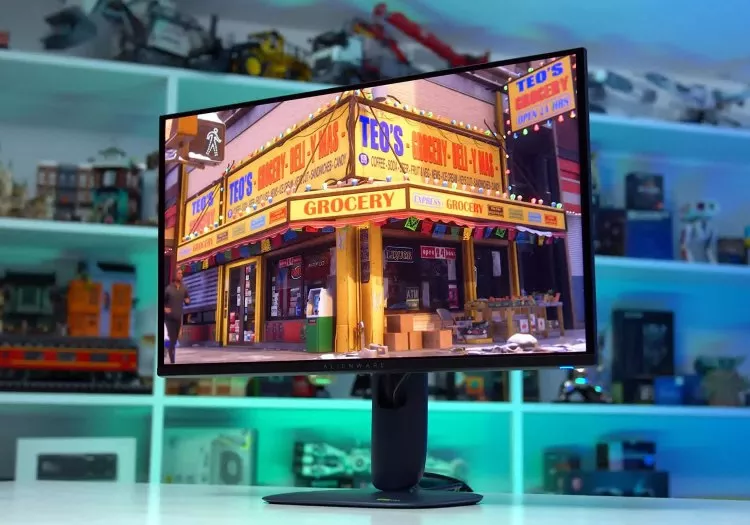
The Dell Alienware AW2725Q debuts as the cheapest 27-inch 4K 240Hz QD-OLED gaming monitor yet, priced $200 below competitors. Is this a genuine deal or are sacrifices made? -
![AMD Ryzen 9 9950X3D Review: The Best High-End CPU]()
AMD Ryzen 9 9950X3D Review: The Best High-End CPU
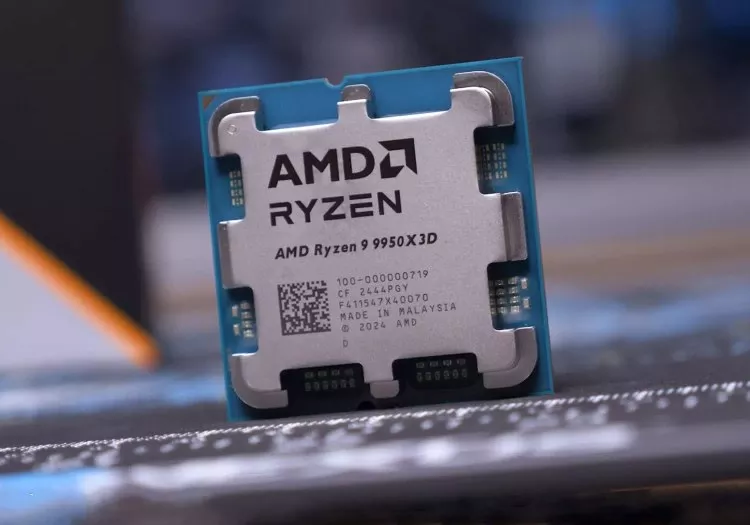
AMD's Ryzen 7 9800X3D has been a massive hit with gamers. Now, AMD is back with the Ryzen 9 9950X3D and 9900X3D, aiming to deliver both top-tier gaming and productivity power. -
![AMD Radeon RX 9070 Review]()
AMD Radeon RX 9070 Review
AMD impressed us with the Radeon 9070 XT, but now we turn to its cheaper sibling, the RX 9070. Priced at $550, it competes with Nvidia's RTX 5070, but its biggest rival may be AMD's own. -
![AMD Radeon RX 9070 XT Review]()
AMD Radeon RX 9070 XT Review
AMD's Radeon 9070 GPUs have been the subject of much speculation, but now we finally have the hardware in hand. Let's put the 9070 XT to the test to see what it's truly capable of. -
![Nvidia GeForce RTX 5070 Review]()
Nvidia GeForce RTX 5070 Review
Nvidia hyped up the RTX 5070 as delivering RTX 4090-level performance for just $550, but the reality is far from it. Misleading marketing and not enough VRAM make this GPU a major disappointment. -
![Gigabyte M32UP 32]()
Gigabyte M32UP 32" Review
Gigabyte's M32UP is the follow-up to the popular M32U, offering a 32-inch 4K IPS panel with a boosted 160Hz refresh rate. While not a game-changer, is this the new best value 4K gaming monitor? -
![Nvidia GeForce RTX 5070 Ti Review]()
Nvidia GeForce RTX 5070 Ti Review
Nvidia's RTX 5090 and 5080 launched-sort of-but good luck finding one. Now, the RTX 5070 Ti enters the scene, offering 16GB VRAM at $750. Is it a solid deal or another overpriced gamble? Let's dive in. -
![Kingdom Come: Deliverance II GPU Benchmark]()
Kingdom Come: Deliverance II GPU Benchmark
Every so often, a well-optimized AAA title emerges. Enter Kingdom Come: Deliverance II. We tested 35 GPUs to see how it performs - let's dive in! -
![Intel Z890 Motherboard Roundup: 50 Boards Tested]()
Intel Z890 Motherboard Roundup: 50 Boards Tested
After months of testing over 50 Z890 motherboards, we've gathered a massive amount of data. Was it worth it? Who knows, but if you're looking for the best Intel Z890 board, you're in the right place. -
![Nvidia GeForce RTX 5080 Review]()
Nvidia GeForce RTX 5080 Review
Nvidia's RTX 5080 is a $1,000 GPU that feels more like an RTX 4080 Ti Super than a true next-gen upgrade. With only minor spec bumps and a massive gap from the 5090, is it worth it? Let's dive in. -
![Nvidia GeForce RTX 5090 Review]()
Nvidia GeForce RTX 5090 Review
Nvidia's GeForce RTX 5090 is here, bringing next-gen power with a $2,000 price tag. Featuring a 23% larger die, 33% more cores, and blazing-fast GDDR7 memory, it's built to dominate, but is it worth it? -
![Nvidia RTX 4060 vs. Intel Arc B580]()
Nvidia RTX 4060 vs. Intel Arc B580
Intel's Arc B580 aims to rival the RTX 4060 for just $250, but with CPU overhead issues impacting gaming performance, let's see how it fares at 50 benchmarked games with all CPU bottlenecks removed. -
![Intel Arc B570 Review: Decent Performance, Not Great Value]()
Intel Arc B570 Review: Decent Performance, Not Great Value
Intel's Arc B570 is a scaled-down version of the B580. But with reduced cores, clock speed, VRAM, and bandwidth, it offers less for only a 12% price cut. Can it still compete? -
![Intel Arc B580 GPU Re-Review: Old PC vs New PC Test]()
Intel Arc B580 GPU Re-Review: Old PC vs New PC Test
Intel's Arc B580 debuted as a budget-friendly GPU champion, but new data reveals performance struggles with older CPUs. Our re-review dives deep into benchmarks, CPU limitations, and gaming scenarios. -
![Intel Core Ultra 9 285K vs. Intel Core i9 14900K]()
Intel Core Ultra 9 285K vs. Intel Core i9 14900K
Intel's two latest flagships, the Core Ultra 9 285K and Core i9 14900K go head-to-head in 45 games to see how their performance stacks up. Can the 14900K hold steady, or will the Ultra 9 surprise us? -
![Intel Arc B580 Review: Best Value GPU]()
Intel Arc B580 Review: Best Value GPU
PC gaming gets a boost with Intel's Arc B580, a $250 GPU that beats the RTX 4060 and RX 7600. Featuring 12GB VRAM, Xe2 architecture, and built for 1440p gaming, it's a game-changer for budget setups. -
![AMD Ryzen 7 9800X3D vs. Intel Core i9-14900K]()
AMD Ryzen 7 9800X3D vs. Intel Core i9-14900K
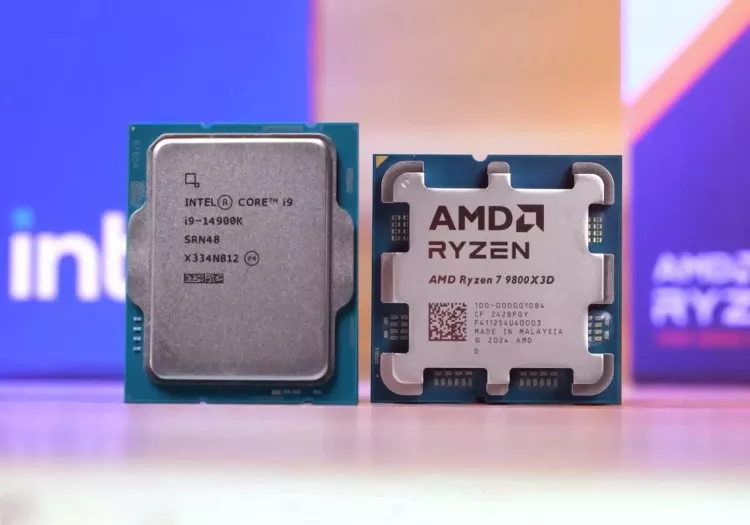
The ultimate CPU battle is here: AMD's Ryzen 7 9800X3D faces Intel's Core i9-14900K in a 45-game showdown. With massive benchmarks and head-to-head testing, which processor will reign supreme? -
![Nvidia's RTX 2060 Was Never Fast Enough for Ray Tracing]()
Nvidia's RTX 2060 Was Never Fast Enough for Ray Tracing
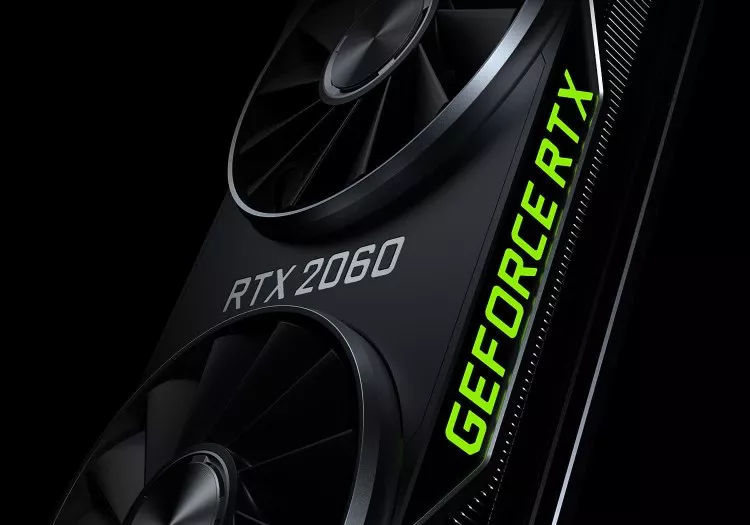
We revisit the GeForce RTX 2060 and Nvidia's promise of ray tracing from its base GPU some 6 years ago. Did this $350 GPU deliver on its potential? -
![Stalker 2: Heart of Chornobyl GPU Benchmark]()
Stalker 2: Heart of Chornobyl GPU Benchmark
After 15 years, Stalker 2: Heart of Chornobyl finally brings the series back, delivering Unreal Engine 5 visuals and intense gameplay. We tested 31 GPUs across resolutions and settings---let's dive in! -
![AMD Ryzen 7 9800X3D vs. Intel Core Ultra 9 285K]()
AMD Ryzen 7 9800X3D vs. Intel Core Ultra 9 285K
We're pitting Intel's Core Ultra 9 285K against AMD's Ryzen 7 9800X3D in a massive showdown across 45 games. Let's see how they stack up in real-world gaming, with FPS data for every title tested. -
![AMD Ryzen 7 9800X3D vs. Ryzen 7 7800X3D]()
AMD Ryzen 7 9800X3D vs. Ryzen 7 7800X3D
With AMD's Ryzen 7 9800X3D recent release, we're diving into its gaming performance, comparing it head-to-head with the 7800X3D across 45 games. Let's see how this new CPU stacks up. -
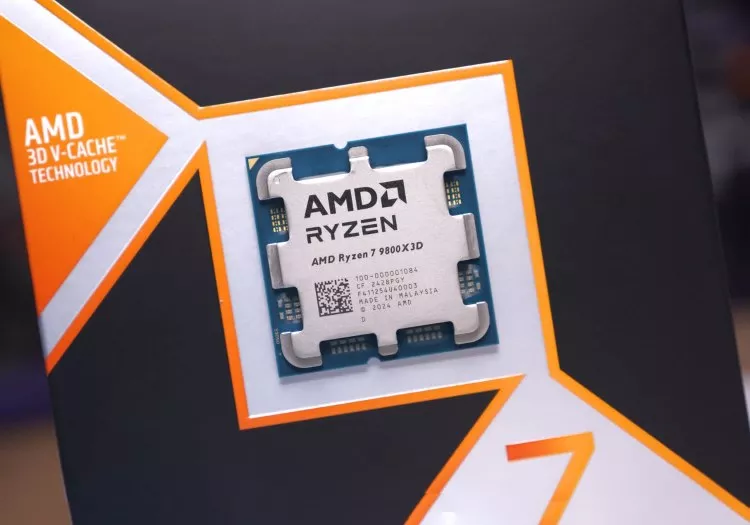
![AMD Ryzen 7 9800X3D Review: The New Gaming CPU King]()
AMD Ryzen 7 9800X3D Review: The New Gaming CPU King
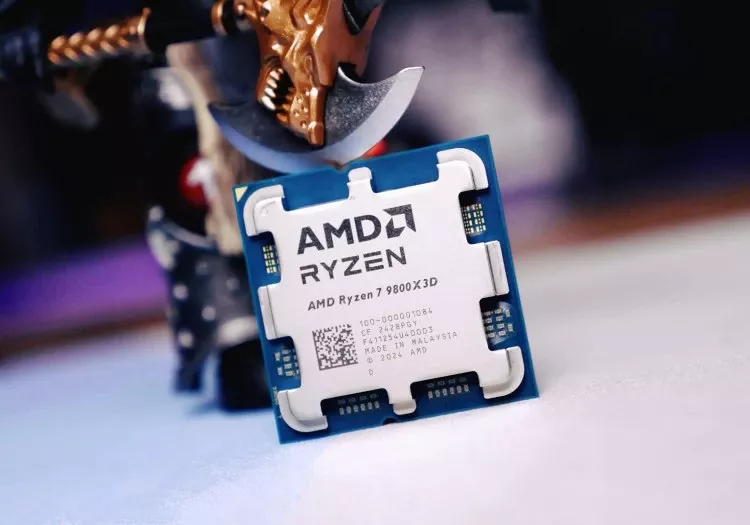
AMD's Ryzen 7 9800X3D is here, bringing powerful upgrades with 3D V-Cache tech and enhanced thermals. Without question, this is the best CPU released since the 7800X3D, making it a game-changer. -
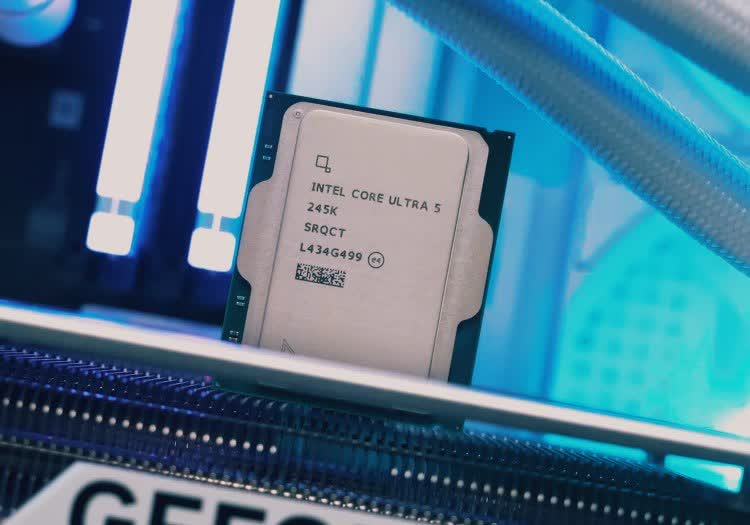
![Intel Core Ultra 5 245K Review: Why So Slow for Gaming?]()
Intel Core Ultra 5 245K Review: Why So Slow for Gaming?
Intel's new mainstream Core Ultra 5 245K challenges the Ryzen 7 9700X in gaming and productivity. With 6 P-Cores and 8 E-Cores, plus DDR5 support, it offers solid specs for demanding workloads.




No products matched your criteria.
Try refining your search or go back to the popular listing.