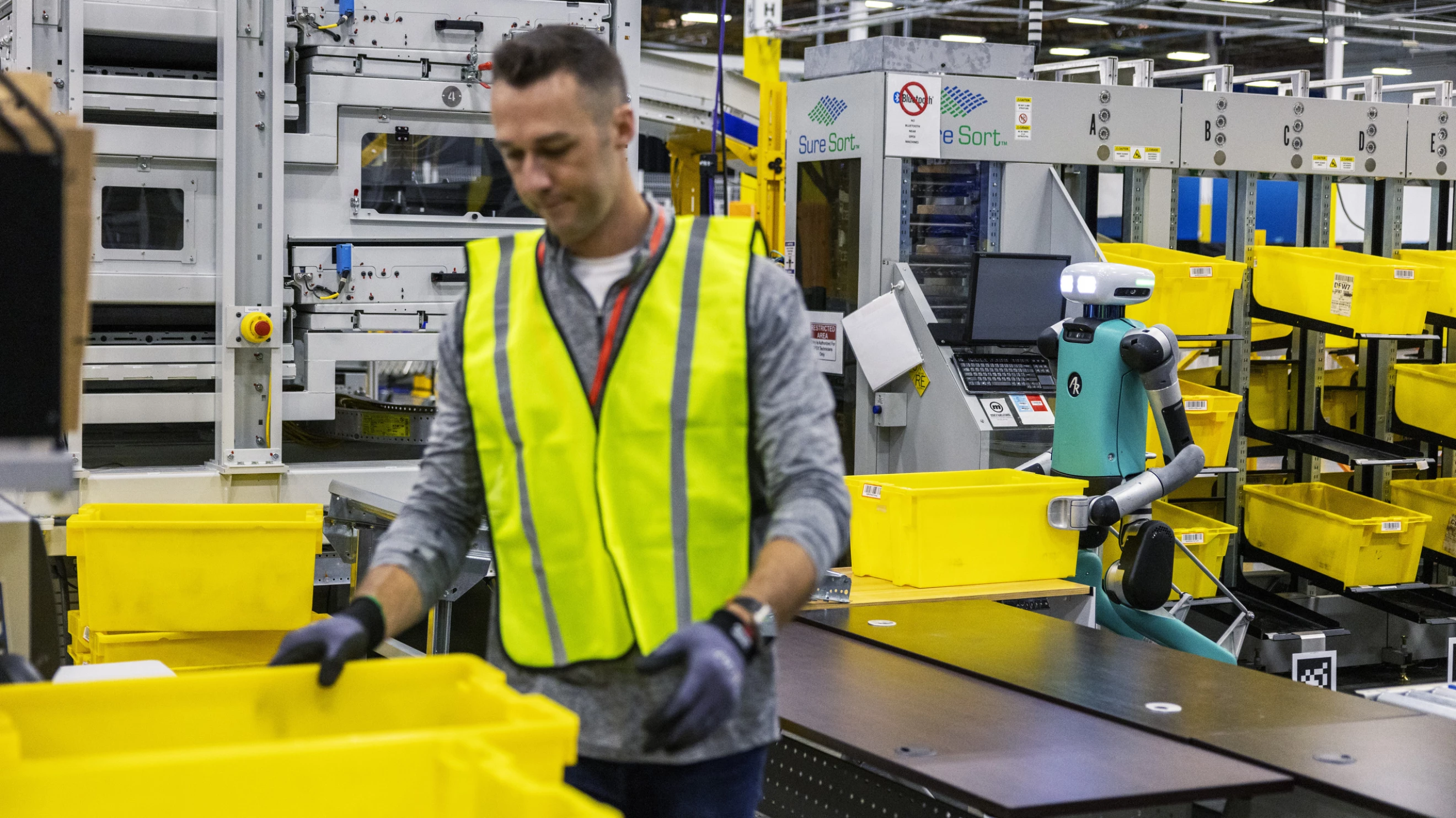
A hot potato: Amazon has spent years introducing new and more sophisticated robots to its warehouses, all while insisting that they won't replace employees or take jobs meant for humans. But a new report citing leaked company documents reveals the tech giant hopes the robots will fill more than 600,000 US positions it would have had to hire for by 2033.
Amazon's embrace of warehouse robots, especially those of the humanoid variety, has been worrying human workers for years. A new report by The New York Times suggests those concerns were warranted.
Citing interviews and internal strategy documents, the publication writes that Amazon's robotics team aims to automate 75% of all operations at the company, thereby eliminating 160,000 positions that would have otherwise been required by 2027.
While it's not going to make for good PR, the move would save Amazon 30 cents on every item delivered from its warehouses to customers. Automation is expected to save Amazon $12.6 billion from 2025 to 2027 alone.
What's even more jarring is that Amazon estimates it will sell around twice as many products by 2033 – so, more profit and fewer human employees to pay.
Amazon reportedly knows that there will be an inevitable backlash against the job losses. As such, leaked materials show executives have been considering taking part in community projects. They've also considered avoiding direct terms such as "AI" and "automation," preferring to opt for "advanced technology." Even the toe-curlingly bad "cobot" has been considered for robots that work alongside humans.
Amazon responded to the report by insisting that the documents were incomplete and didn't represent its overall hiring strategy. It also denied the claims about telling execs to avoid certain terms when discussing robot plans.
Nobel Prize winner Daron Acemoglu told The NYT that "nobody else has the same incentive as Amazon to find the way to automate."
"Once they work out how to do this profitably, it will spread to others, too," Acemoglu added, warning that if Amazon succeeds, "one of the biggest employers in the United States will become a net job destroyer, not a net job creator."
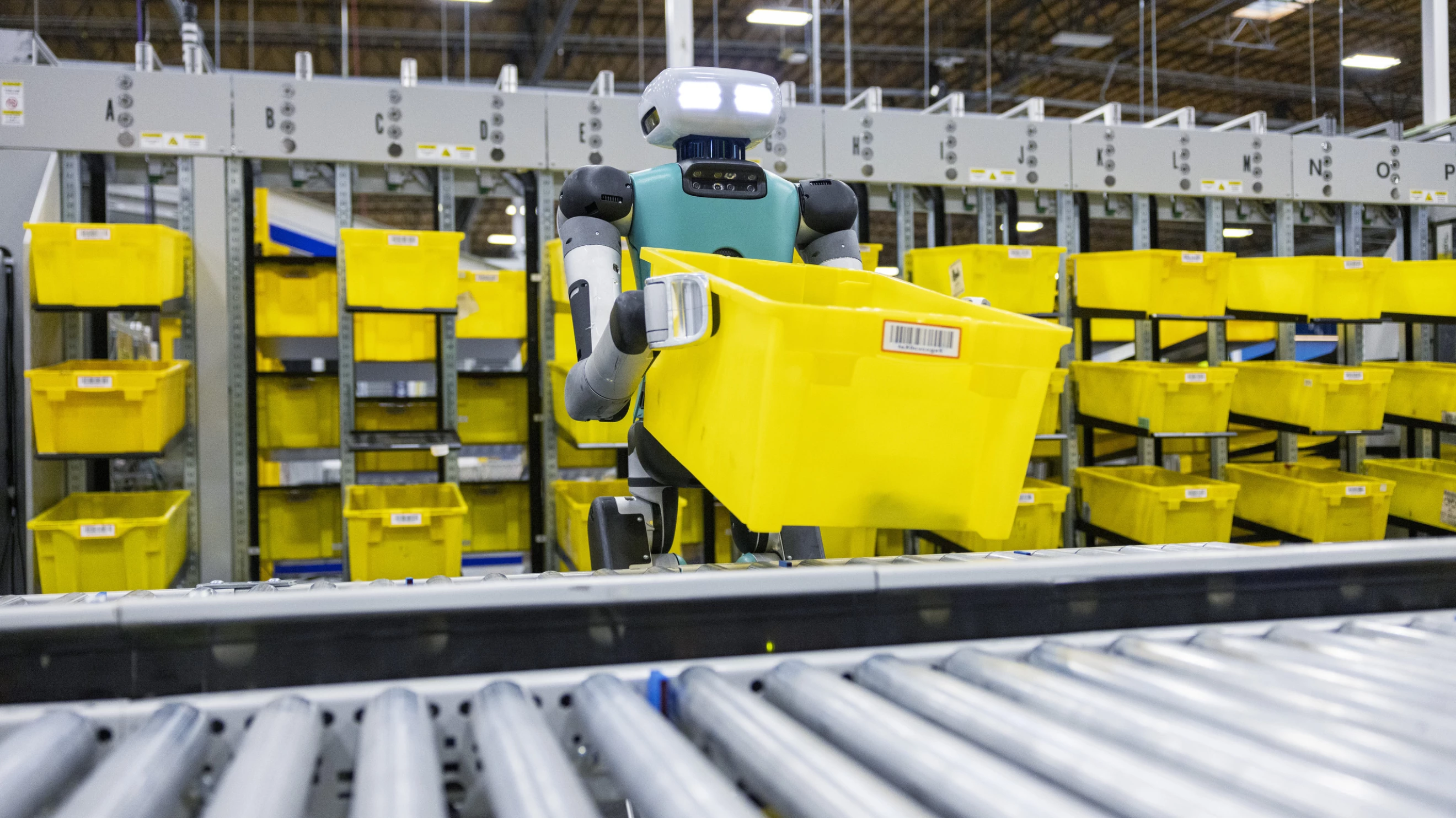
At the start of July, Amazon announced that it had deployed its millionth robot across its warehouse operations. Automation-related job losses have long been a concern in a company that loves its robots, but the introduction of the humanoid Digit exacerbated those fears in 2023.
Both Amazon and manufacturer Agility Robotics insisted the machines wouldn't replace workers, merely take over their monotonous tasks – something we used to hear all the time with AI. But the robots' ranks have continued to swell with more advanced models, including one with a sense of touch, and there have been numerous reports of the company potentially saving billions by introducing more automation.