A little background
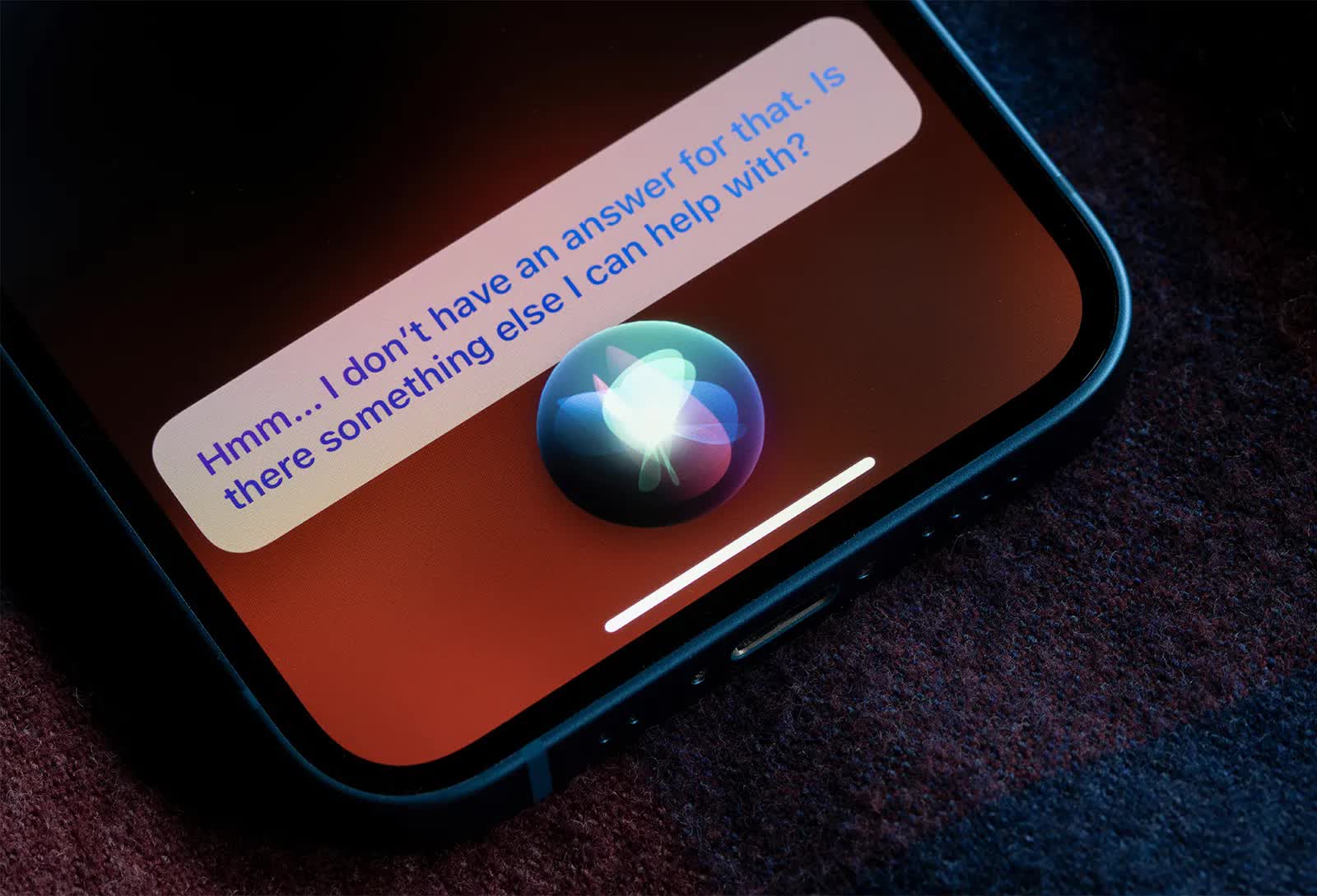
Co-founded by Dag Kittlaus, Adam Cheyer, and Tom Gruber, Siri was an offshoot of the DARPA-funded CALO project. Their company, Siri, Inc., spun out of SRI International's Artificial Intelligence Center, commercializing years of research from DARPA's program. That lineage matters: CALO's whole point was a software helper that could learn, reason, and act for you, not just transcribe your speech.
The first public glimpse of that vision arrived as a free iPhone app on February 2010. Even in that third-party form, Siri wasn't just dictation; it parsed natural language, understood context like time and place, and executed tasks by wiring into a patchwork of web services. Two months later, Apple bought the startup folding the idea into the iPhone itself.
Was Siri an "early AI"?
In the lab, systems like IBM's Watson were showing off deep question-answering around the same time, famously winning Jeopardy! in February 2011, but those were data-center spectacles, not something you carried in your pocket.
In mainstream consumer tech, Siri was early because it presented AI as a conversational assistant on your phone that could actually do things. Before it, voice on phones mostly meant command sets and dictation: Google's Voice Actions arrived in August 2010 to trigger specific tasks from fixed phrases, while Microsoft's Tellme was wiring simple voice actions into Windows phones.
Vlingo had been pushing "virtual assistant" apps since 2008-2009 across BlackBerry, iPhone, and Android, but Siri knit together intent, dialog, and service integrations in a way that felt different – and mainstream.
Two design choices made Siri feel like something new. First, Apple integrated it deeply at the OS level when the iPhone 4S launched on October 2011, so "tell Siri to…" could alter your calendar, send messages, or fetch the weather without bouncing between apps.
Second, the assistant didn't just answer – it acted – by calling out to partners like OpenTable, Yelp, and Wolfram Alpha to make reservations, check reviews, or compute facts. Early on, Nuance's speech technology handled the raw recognition while Siri did the language and actions on top.
The reception was rapt. Early reviews cast Siri as the headline feature and a glimpse of where phones were headed, even as Apple labeled it "beta" at first; Apple dropped the beta tag in 2013 with iOS 7. The name itself – Siri – came from Kittlaus, inspired by a Norwegian colleague and related to the name Sigrid. You'll sometimes see a backronym, "Speech Interpretation and Recognition Interface," but the founders' own account is that it was simply a name they liked.
In the years that followed, through the smart-speaker boom, the rise of open ecosystems and way before GPT rocked the scene, head-to-head tests typically crowned Google Assistant the most accurate generalist, with Siri shining at on-device commands but trailing on broad web knowledge.
After a stint inside Apple, Kittlaus and Cheyer left to launch Viv in 2016, pitched as a more open, developer-extensible descendant that could compose multi-step actions on the fly. Samsung acquired Viv that October and later released Bixby on the Galaxy S8.
The most recent "Apple Intelligence" initiative means to rebuild Siri in the era of large language models and ChatGPT dominance, as an assistant with more natural conversations, better context carry-over, on-device models, and a privacy architecture called Private Cloud Compute. There's also optional, user-approved access to ChatGPT for image and document understanding, wrapped in Apple's UI. Whatever you think of the generative-AI buzz, it marks Apple's attempt to close the capability gap while staying Apple-ish about privacy and integration.