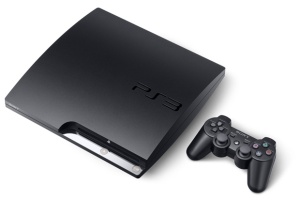
Sony Computer Entertainment America (SCEA) and PlayStation 3 jailbreaker George Hotz, also known as GeoHot, have announced the settlement of the lawsuit filed by SCEA against Hotz in federal court in San Francisco, California. The parties reached an agreement in principle on March 31, 2011, and as part of the settlement, GeoHot consented to a permanent injunction. The terms of the settlement were not fully disclosed.
SCEA accused Hotz of violating federal law by posting online information and software about how to circumvent the PS3's security system, thus allowing users to play pirated videogames. Hotz denies any wrongdoing on his part, though he was required to take down the postings challenged by SCEA.
"Sony is glad to put this litigation behind us," Riley Russell, General Counsel for SCEA, said in a statement. "Our motivation for bringing this litigation was to protect our intellectual property and our consumers. We believe this settlement and the permanent injunction achieve this goal. We want our consumers to be able to enjoy our devices and products in a safe and fun environment and we want to protect the hard work of the talented engineers, artists, musicians and game designers who make PlayStation games and support the PlayStation Network. We appreciate Mr. Hotz's willingness to address the legal issues involved in this case and work with us to quickly bring this matter to an early resolution."
"It was never my intention to cause any users trouble or to make piracy easier," Hotz said in a statement. "I'm happy to have the litigation behind me."
Sony's legal attacks against the hackers that released the PS3 root key and custom firmware began three months ago. The group known as fail0verflow was accused of posting a rudimentary hack in December 2010 after finding security codes for the PS3. It was refined by GeoHot weeks later when he independently found and published the PS3 root key. The resulting hacks allow homebrew apps and pirated software to run on unmodified consoles. Sony is still threatening to sue anybody posting or distributing PS3 jailbreak code, despite the fact that the company accidentally tweeted the PlayStation 3 security key.
Looking back, Sony largely won this legal battle. The company succeed in getting GeoHot to hand over his hardware, even demanding two copies of the data, one in encrypted and one in decrypted form. A federal judge allowed Sony to obtain the IP addresses of everyone who visited GeoHot's personal website for a period of 26 months (since January 2009) as well as the account names of anyone who has accessed a PS3 jailbreak video on the 21-year-old's YouTube account, his tweets relating to the hacking on Twitter, information on people who posted comments to his blog on Blogspot, and information about his account on the PSX-Scene website. The same judge also later granted the company access to GeoHot's PayPal account for the last two years.
Sony's official stance remains if you crack your PS3, you'll get banned. GeoHot meanwhile previously said "beating them in court is just a start." Apparently, settling is the same thing as winning.