And now, for some context
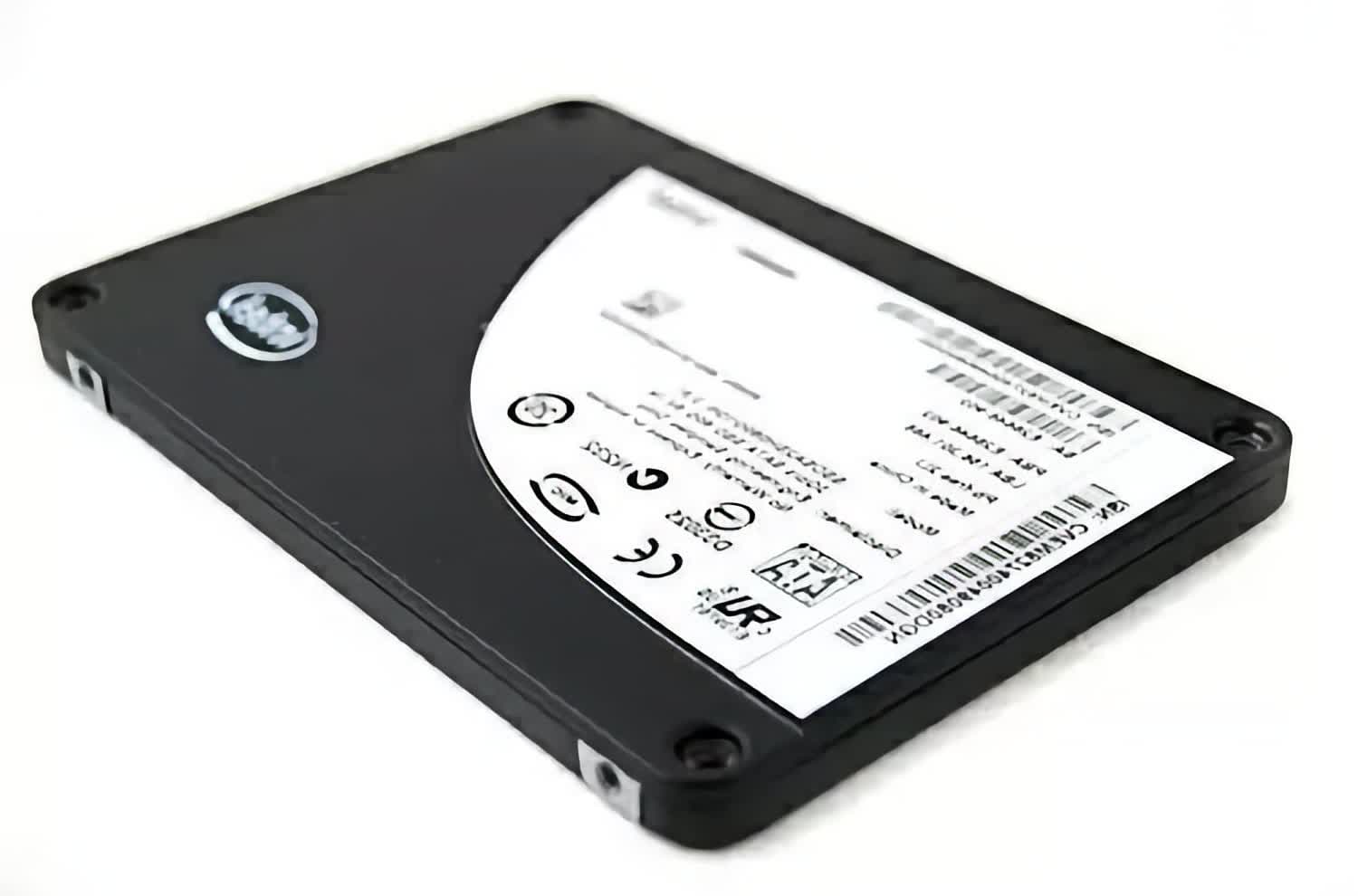
Solid state drives are now the default choice for storage, delivering lightning-fast performance and reliability. But when the first consumer SSDs appeared, the technology was in its infancy.
The first widely recognized consumer SSD was the Intel X25-M, launched in 2008. Earlier niche products, such as the Gigabyte i-RAM or M-Systems' industrial flash drives, technically came first, but these were more like proof-of-concept devices than true mass-market solutions.
In fact, the very first flash-based SSD available to consumers dates back to 1991, when SanDisk (then SunDisk) built a 20 MB SSD for IBM laptops. While groundbreaking at the time, its tiny capacity and high price meant it was more of a technological milestone than a practical product. Later, devices like the M-Systems FFD-350 and Gigabyte i-RAM served as important stepping stones, bridging the gap between experimental hardware and viable consumer storage.
The Intel X25-M was the first SSD to truly deliver on the promise of flash storage. At launch, it offered read speeds around 250 MB/s and write speeds near 70 MB/s. While these numbers weren't dramatically higher than the 80 – 120 MB/s of typical hard disk drives (HDDs) of the era, the SSD's near-zero access times meant that real-world tasks – booting Windows, launching programs, and searching files – felt several times faster. For many early adopters, it was a transformative upgrade.
That leap in performance came at a steep price. The first X25-M models shipped with 80 GB of storage for about $600 – 700, while 1 TB HDDs sold for roughly $120. As a result, SSDs were initially reserved for operating systems and a few critical applications, with bulk data still stored on mechanical drives.
Over the next few years, competition from companies like OCZ, Crucial, and Samsung helped drive prices down and capacities up. By 2012, 256 GB SSDs became common at under $300, bringing flash storage into mainstream laptops and desktops.
These days, the landscape is completely different. NVMe SSDs, leveraging the PCIe interface, now deliver sequential speeds over 7,000 MB/s, with enterprise-class drives exceeding 14,000 MB/s. Capacities of 4 TB to 8 TB are available for consumers, often at a fraction of the early per-gigabyte cost. HDDs are still used for massive archival storage, but for operating systems, gaming, and professional workloads, SSDs have become the universal standard.