A brief explanation why
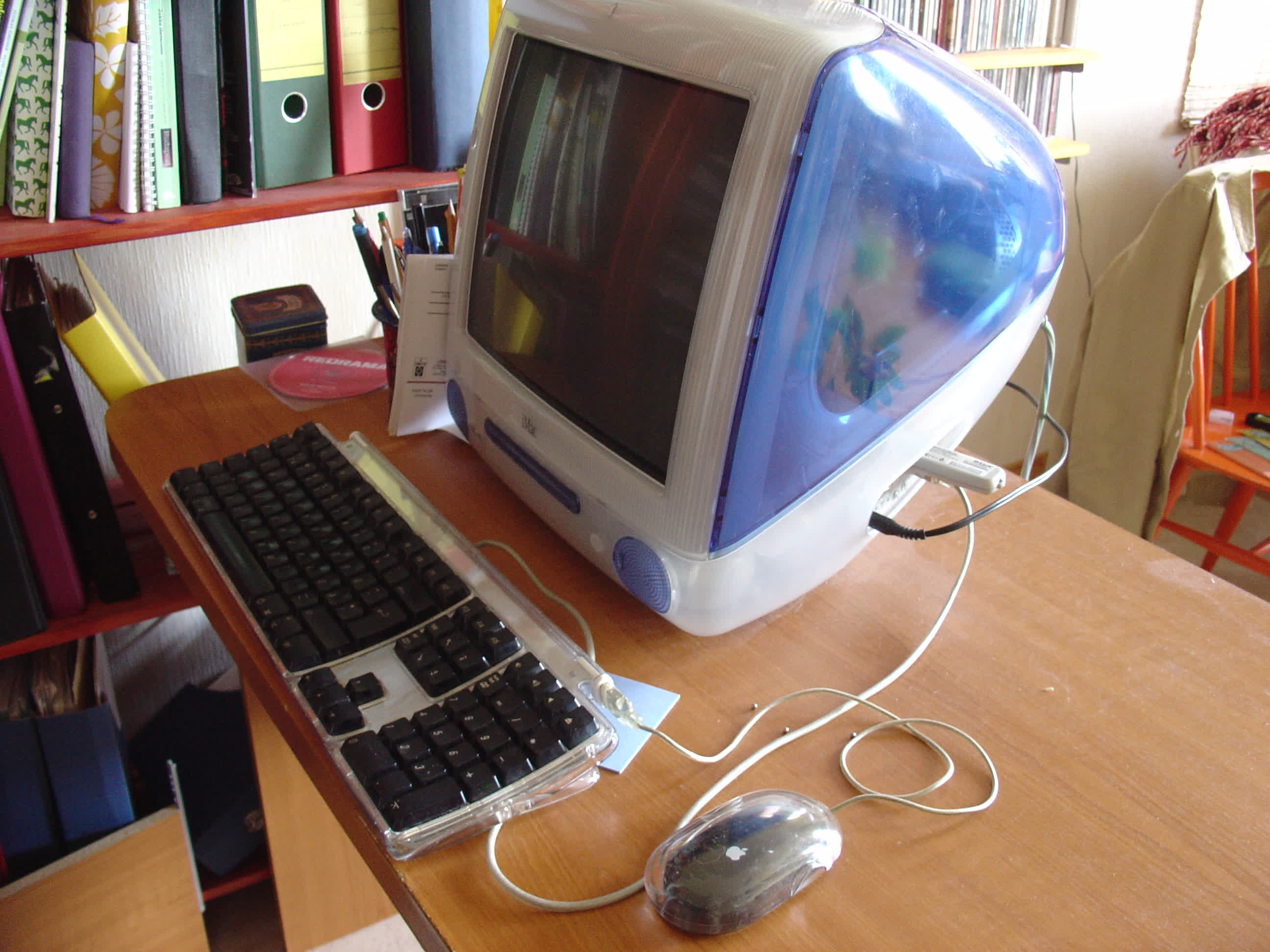
The iMac G3 and the Death of Legacy Ports
When the iMac went on sale in mid-1998, most people noticed the translucent Bondi Blue shell. The bigger change was on the side panel. Apple had removed every connector Mac owners relied on: ADB for keyboards and mice, serial ports for printers and modems, SCSI for external drives, and the floppy drive.
In their place were two USB 1.1 ports running at 12 Mbps. Ethernet, a modem jack, and audio remained, but if you wanted to plug in a peripheral, USB was your only option.
Read our Legends of Tech feature:
Apple iMac: The Computer That Saved the Company
It was a bold bet. USB had been appearing on PCs since 1996, but it sat next to legacy ports and was mostly ignored, and hardly any USB peripherals existed. The iMac's $1,299 price and strong sales changed that almost overnight. Colorful USB mice, printers, scanners, and external floppy drives followed, and USB became the industry default.
Why not the others?
Sony's VAIO 505 is the closest near miss. The ultra-thin notebook launched in Japan in late 1997 and was known for moving legacy connectors off the chassis. It did include a USB port, but it came with a port replicator offering two PS/2 ports, video out, a serial port, and a parallel port, and its floppy drive used its own connector rather than USB or PCMCIA.
The Power Mac G4 Cube is a tempting guess because of its minimalist design, but it paired USB with FireWire for peripherals, and it came after the iMac anyway.
Compaq's iPaq Desktop was the PC industry's answer: a "legacy-free" Windows machine without PS/2, serial, or parallel ports. It was an important step, but it arrived more than a year after the iMac had already made the case.