Here's the story behind it
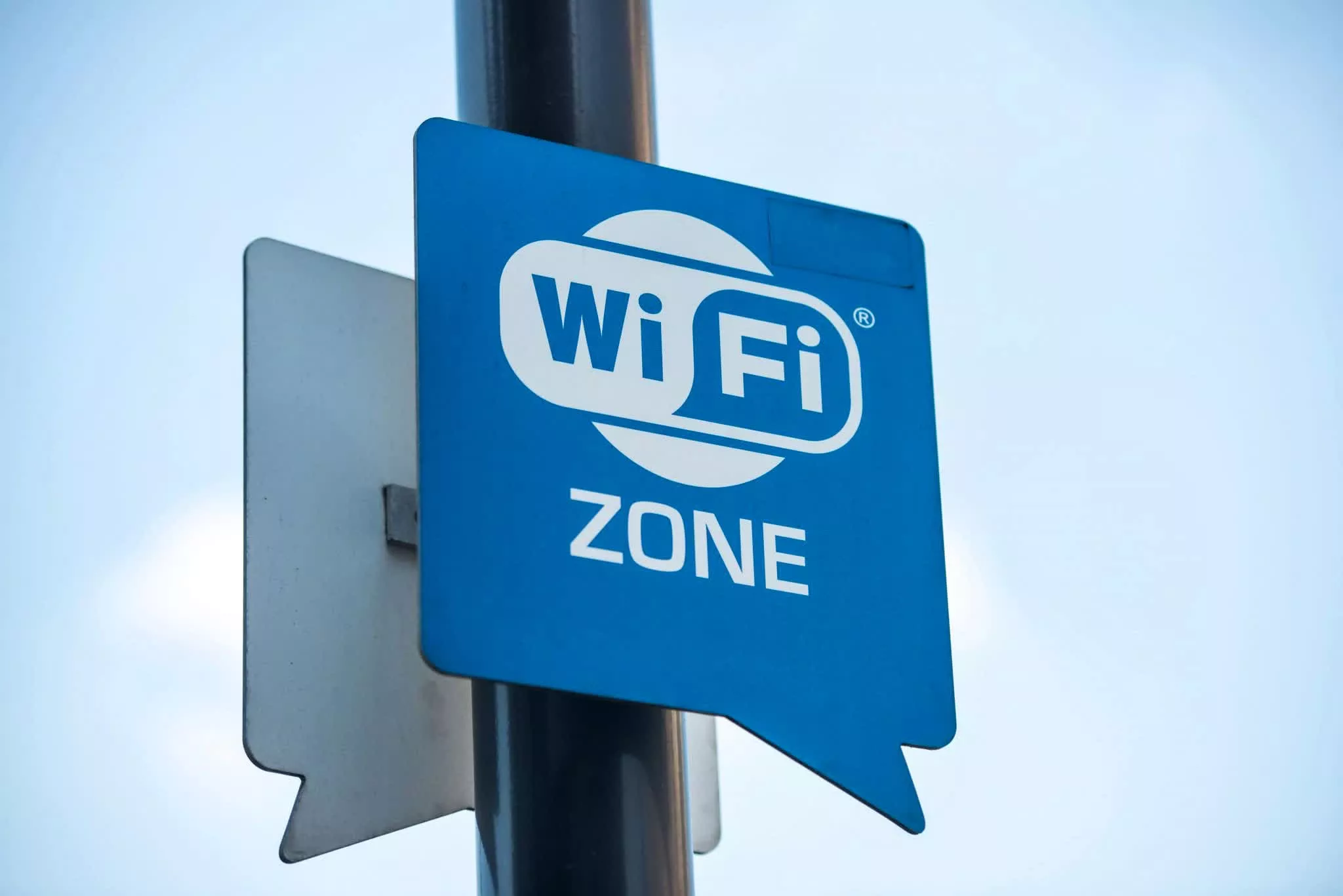
Wi-Fi: the name that never stood for anything
Millions of people and even plenty of tech textbooks will tell you that Wi-Fi is short for "Wireless Fidelity." It isn't. Wi-Fi is not an acronym, and the name doesn't mean anything at all.
The story starts in the late 1990s. The IEEE published the 802.11 wireless networking standard in 1997, and the faster 802.11b revision was finalized in 1999, which topped out at 11 Mbps on the 2.4 GHz band.
The tech worked, but nobody was going to ask for "IEEE 802.11b" compatibility at a store. That's when the Wireless Ethernet Compatibility Alliance (WECA) started to look for something consumers could remember, so in 1999 they hired branding agency Interbrand.
Interbrand is known for coming up with commercial names like Prozac, Nintendo "Wii," and Compaq. It pitched a shortlist of 10 candidates, and the alliance picked "Wi-Fi," a deliberate play on "Hi-Fi," the decades-old shorthand for high-fidelity audio. The name carried the right associations of quality and ease, without describing anything technical. Interbrand also designed the yin-yang style Wi-Fi logo.
But what about the "Wireless Fidelity" confusion?
Early on, some alliance board members worried that a name with no meaning would confuse people, so they attached a tagline: "The Standard for Wireless Fidelity."
According to Phil Belanger, a founding member of the alliance, the tagline appeared on everything for roughly a year. He later called it a mistake that diluted the brand, and said that the phrase doesn't hold up if you take it apart. His summary of the name was blunt: "Wi-Fi doesn't stand for anything." The tagline was dropped, but the damage was done, and it's now one of the most persistent false backronyms in tech.