And now, for some context
Steve Jobs, Apple founder, dropped out of Reed College at 19. He dropped out after just six months, citing the financial burden on his parents. He continued auditing classes that interested him, including a calligraphy course that would later influence the typography and design language of early Macintosh computers.
Bill Gates attended Harvard University but left in 1975 to co-found Microsoft with Paul Allen. At the time, the personal computer industry barely existed, but Gates bet early on software becoming the defining layer of computing – a decision that would reshape the entire industry.
Mark Zuckerberg followed a similar path decades later. While studying at Harvard, he launched Facebook from his dorm room in 2004. As the platform rapidly expanded beyond campus networks, Zuckerberg dropped out at age 20 to focus on scaling the company full-time.
Michael Dell was enrolled at the University of Texas at Austin when he began assembling and selling PCs directly to customers. Recognizing the momentum of his business, he left school at 19 and turned what started as a dorm-room operation into Dell, a company that would help define the modern PC supply chain.
Larry Ellison took a less conventional academic route, attending both the University of Illinois and the University of Chicago but never completing a degree. He moved to California and eventually co-founded Oracle, building it into one of the most dominant enterprise software companies in the world.
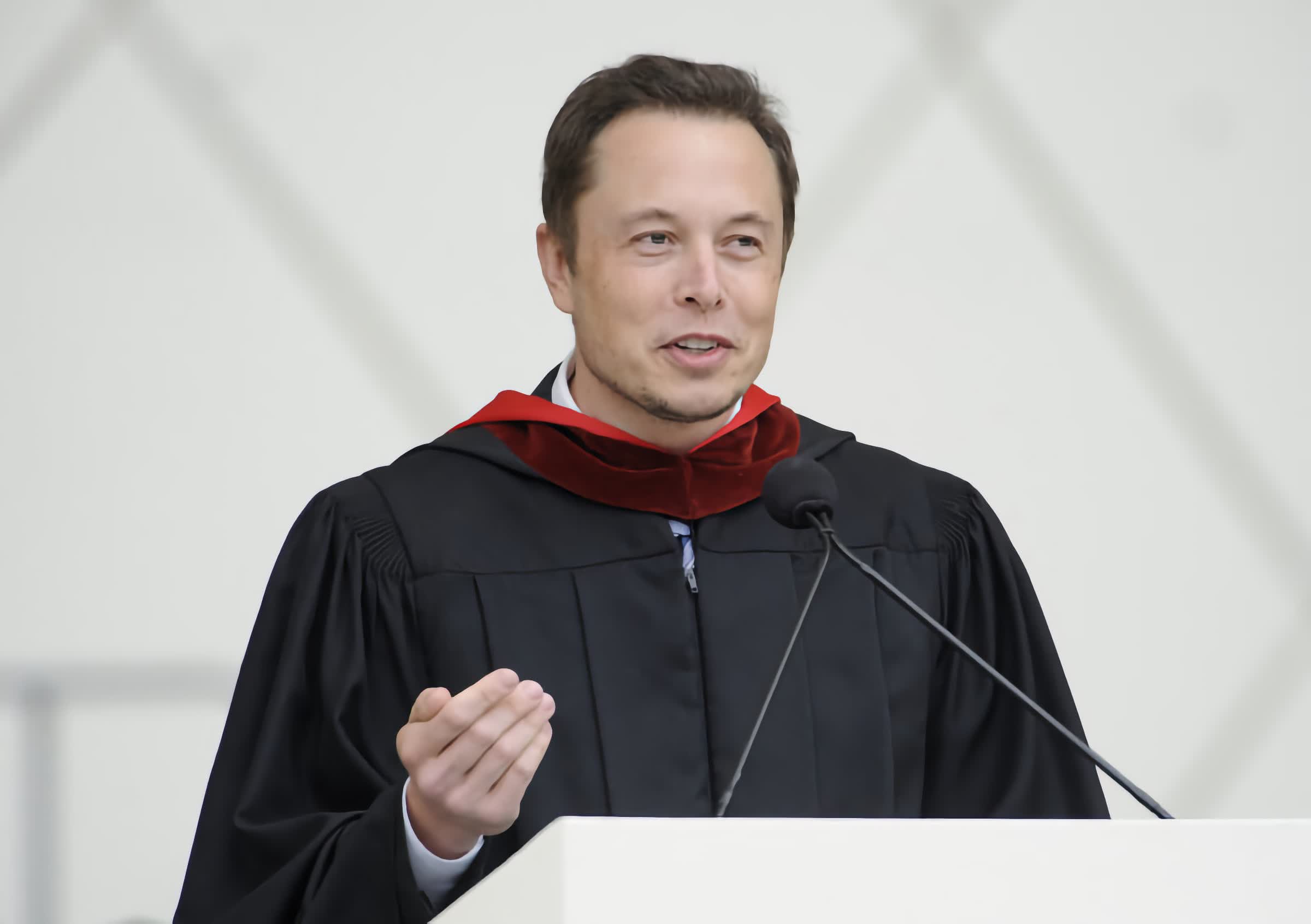
Elon Musk, however, took a different path.
Born in South Africa, Musk moved to Canada in 1989 before enrolling at Queen's University. He later transferred to the University of Pennsylvania, where he completed two bachelor's degrees – one in physics and another in economics from the Wharton School. Unlike many of his peers in this group, Musk finished his formal education before entering the tech industry.
He briefly pursued a PhD in applied physics at Stanford University but left after just two days as the internet boom of the mid-1990s was beginning to take shape. Musk's early ventures included Zip2, a digital city guide software company, followed by X.com, an online payments platform that evolved into PayPal.
Over the following decades, Musk became one of the most influential figures in modern tech. As CEO of Tesla, he has pushed electric vehicles into the mainstream, while SpaceX has redefined access to space with reusable rockets and other ambitious plans. His portfolio also includes Neuralink, The Boring Company, and early involvement in OpenAI, reflecting a broader focus on long-term technological bets.