Rumor mill: Even as Apple explores new product categories, the company's strategy underscores that the iPhone remains the cornerstone of its ecosystem. The planned redesigns for 2025, 2026, and 2027 reflect an unusually ambitious roadmap, signaling that the device will continue to define Apple's identity for the foreseeable future.
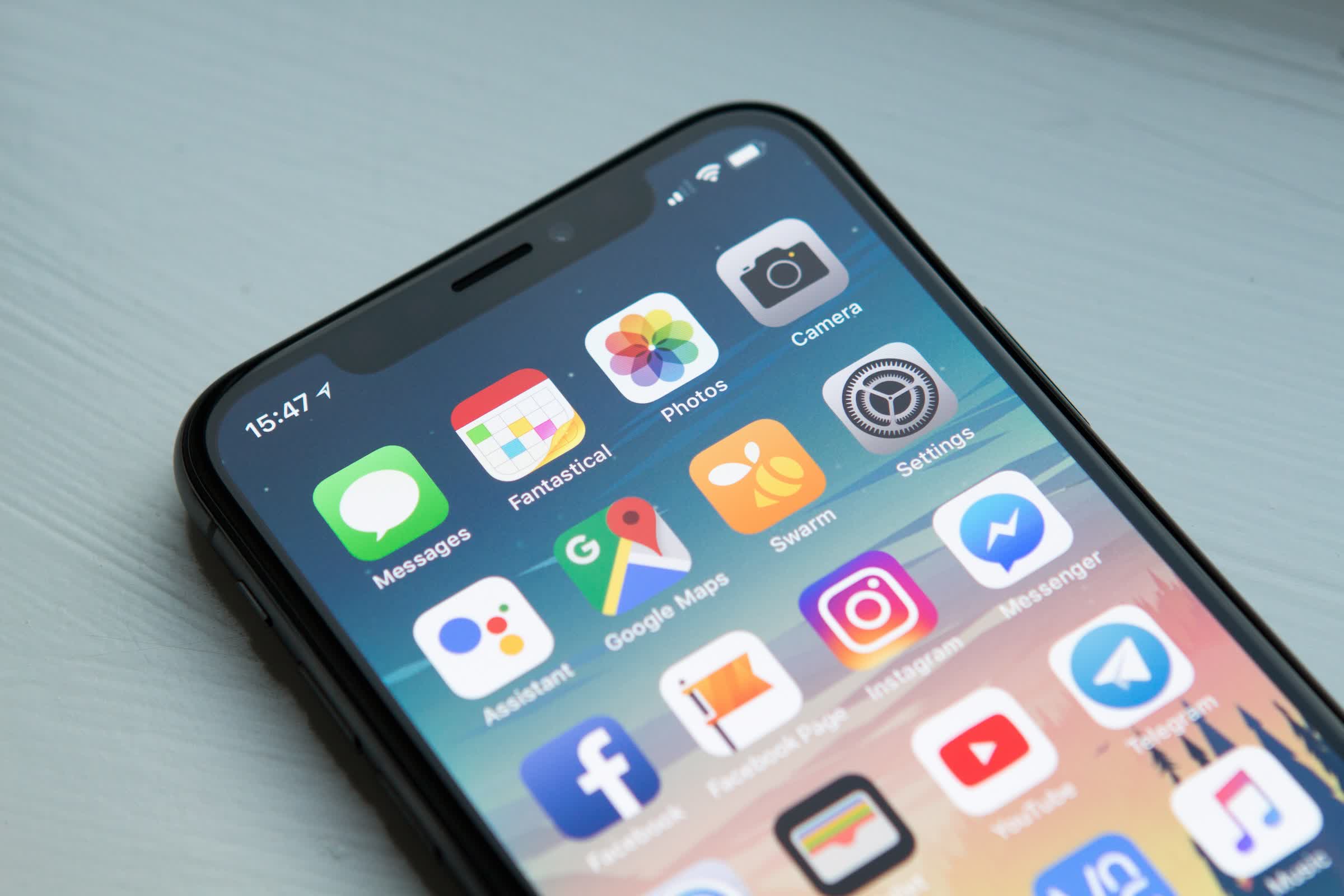
Apple is planning a series of major changes to its flagship iPhone over the next three years, marking the most aggressive redesign schedule in the device's history. The effort begins this fall and runs through 2027, sources familiar with the company's plans told Bloomberg's Mark Gurman.
The move comes as rival device makers emphasize AI tools and services, increasing pressure on Apple to refresh its hardware lineup and demonstrate progress in core technologies such as chips, displays, and design.
This September, Apple plans to replace the current iPhone 16 Plus with a new model: the iPhone Air. The device is described as thinner and lighter than existing versions, continuing the design philosophy introduced with the MacBook Air in 2008.
The shift comes with trade-offs. Sources say battery performance will fall short of higher-end models, the rear camera system will be limited to a single lens, and the handset will not include a physical SIM-card slot. In a notable milestone, the iPhone Air will feature Apple's first in-house modem chip, replacing Qualcomm components.
Alongside the iPhone Air, Apple will unveil the iPhone 17, 17 Pro, and 17 Pro Max. These models will largely retain the design established by the iPhone 16, with visual updates focused on the back of the case. The Pro versions will feature an upgraded camera system and, for the first time, an orange color option. Apple is also expected to raise prices, reflecting tariffs and supply costs.
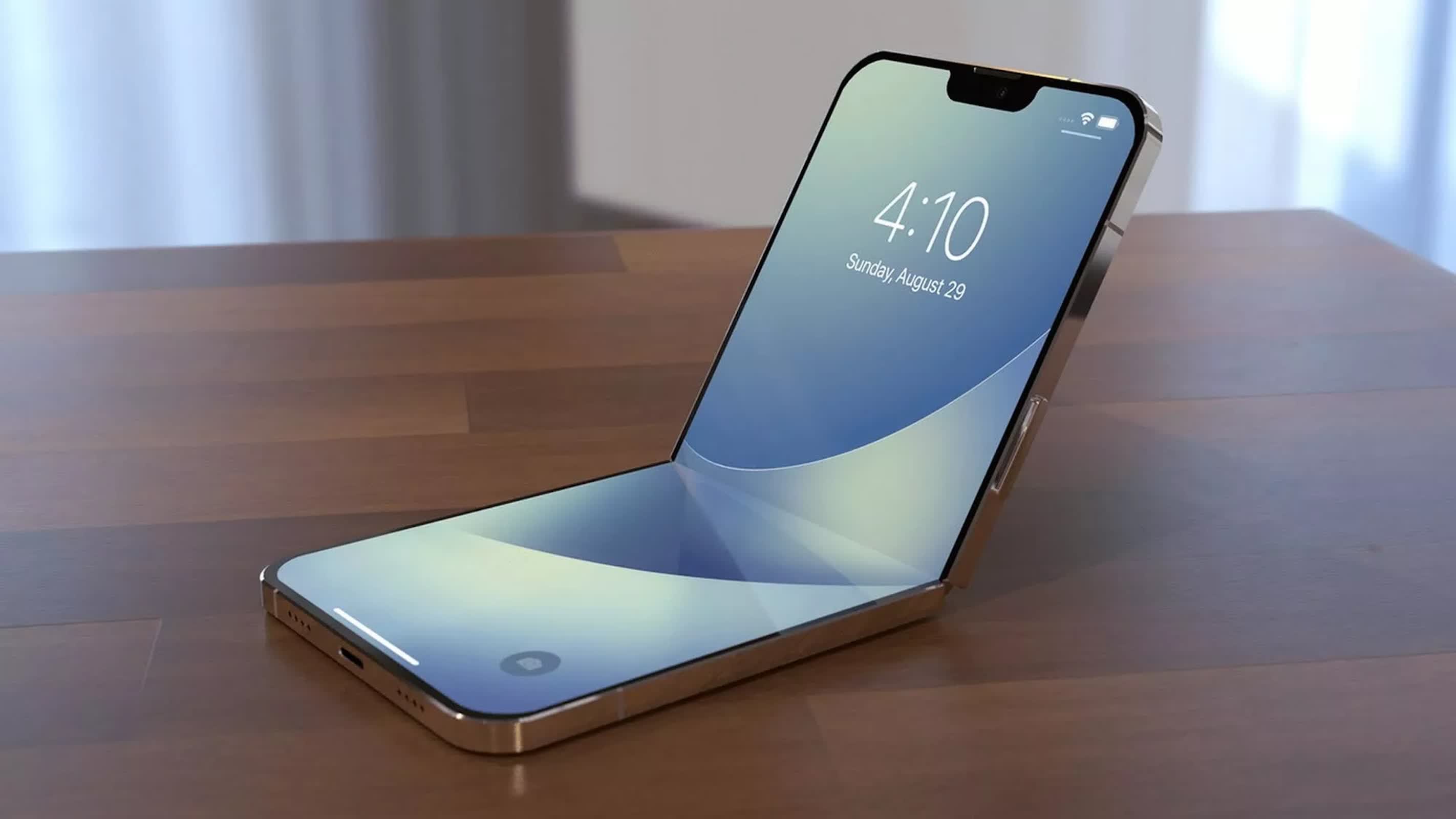
A more significant change is planned for 2026, when Apple aims to release its first foldable smartphone. Known internally as "V68," the device will adopt a book-style format similar to Samsung's foldable phones.
The foldable phone is expected to include four cameras – one front-facing, one internal, and two rear sensors – and, like the iPhone Air, will omit the SIM slot. In a surprise move, the model will revive Touch ID fingerprint recognition instead of relying on Face ID, according to sources involved in testing.
Suppliers are reportedly preparing to scale up production starting in early 2026.
The 20-year anniversary of the original iPhone's debut is rapidly approaching.
Another major change will come from networking. The foldable iPhone and the iPhone 18 Pro series, both planned for 2026, are set to use the C2 modem – Apple's first chip with performance levels approaching Qualcomm's most advanced offerings.
Apple has also revised its plans for screen technology. Early prototypes relied on on-cell touch sensors, which left visible air gaps and accentuated the fold crease. The company has since shifted to in-cell touch screens, similar to current iPhones, reducing crease visibility and improving responsiveness.
In 2027 – 20 years after the original iPhone's debut – Apple intends to introduce a new design language. Sources indicate the model, expected to be branded iPhone 20, will feature curved glass on all edges, departing from the squared-off chassis used since 2020.
The release is expected to coincide with new software interfaces based on a "Liquid Glass" design for iOS and related operating systems, scheduled for a preview in 2026.
Although the iPhone remains Apple's central product, the company is preparing several incremental updates across its broader lineup. This fall is expected to bring new Apple Watches, faster versions of the Vision Pro headset, and refreshed iPad Pro models powered by the M5 processor. Updated AirPods Pro with heart-rate monitoring, along with new HomePod mini and Apple TV models, are also anticipated.
In 2026, Apple plans to launch the iPhone 17e aimed at lower price points, new iPad Air models and other more affordable iPads, as well as M5-powered MacBook Pros and MacBook Air laptops. Plans also include a redesigned external display.
Finally, Apple is advancing efforts in the smart home market with a long-delayed HomePod featuring a display and running a new operating system internally referred to as Charismatic.
Apple plots three-year run of iPhone redesigns amid growing competition


