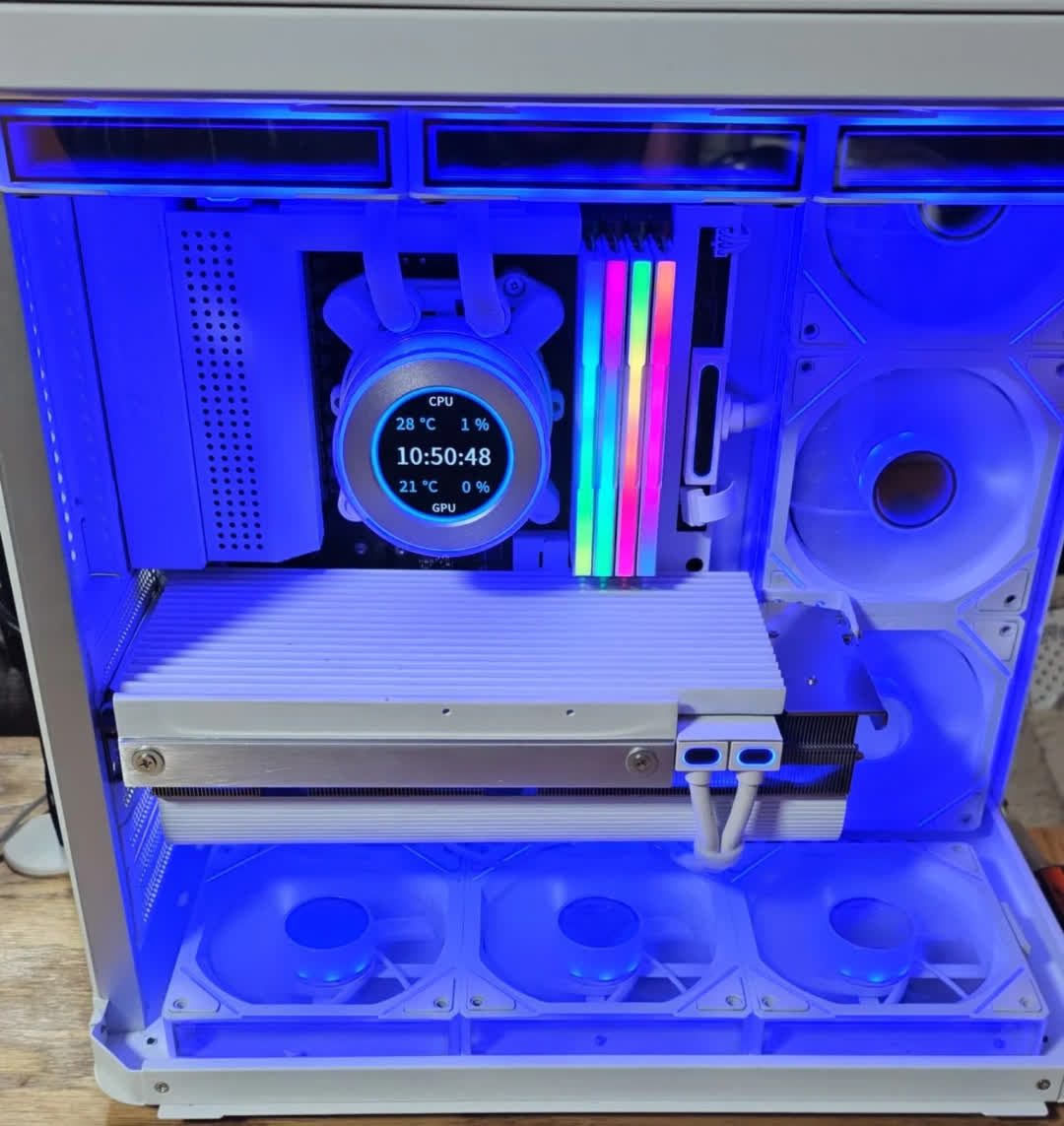
Editor's take: Today's inflated PC hardware market leaves enthusiasts stuck with aging, overheating components. One Reddit user responded by radically reworking an MSI RTX 3080 Ventus, turning scarcity into an inventive DIY cooling mod that shows how far creativity can stretch limited hardware.
The thought of replacing a video card, RAM, or other PC components right now sounds about as fun as setting your wallet on fire. When r/PCMasterRace user ComplexSuperMarket89 (CSM89) realized he needed to address persistent heat issues with his RTX 3080 Ventus, he took a different route. Using spare parts he already had on hand, he created a monster.
The second-hand GPU, originally released more than five years ago, showed signs of wear from day one, with memory and hotspot temperatures quickly climbing to between 100°C and 105°C. After pad and paste refreshes failed to deliver lasting improvements, CSM89 switched tactics. He built a custom shroud and backplate from whatever he had on hand – more specifically, a 100W car audio amplifier, spare aluminum and steel scrap, and zip ties. He claims that his only expense was for additional thermal pads and an extra cooling fan.
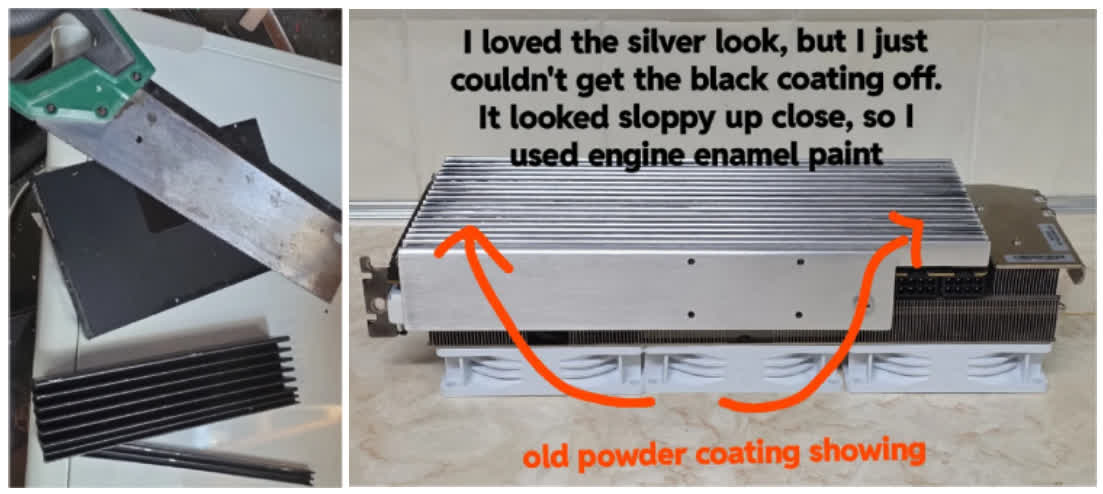
One of the mod's most striking elements also delivered the biggest cooling gains. CSM89 repurposed the 100W amplifier's aluminum shroud as a replacement backplate, improving heat dissipation compared with the factory design. He paired it with fresh thermal pads and paste, and used polyimide tape on all contact points to eliminate the risk of short circuits. The result is an extremely clean, industrial-looking GPU that embraces DIY while shedding much of the Ventus line's plastic-heavy design.
The improvements are not merely cosmetic. CSM89 says the new backplate and fan setup dramatically improved cooling, stretching the time it takes for memory temperatures to hit their limit to more than an hour. Hotspot temperatures also dropped by more than 20 degrees, an outcome that tracks given the more than three pounds of added aluminum surface area now pulling heat away from the card.
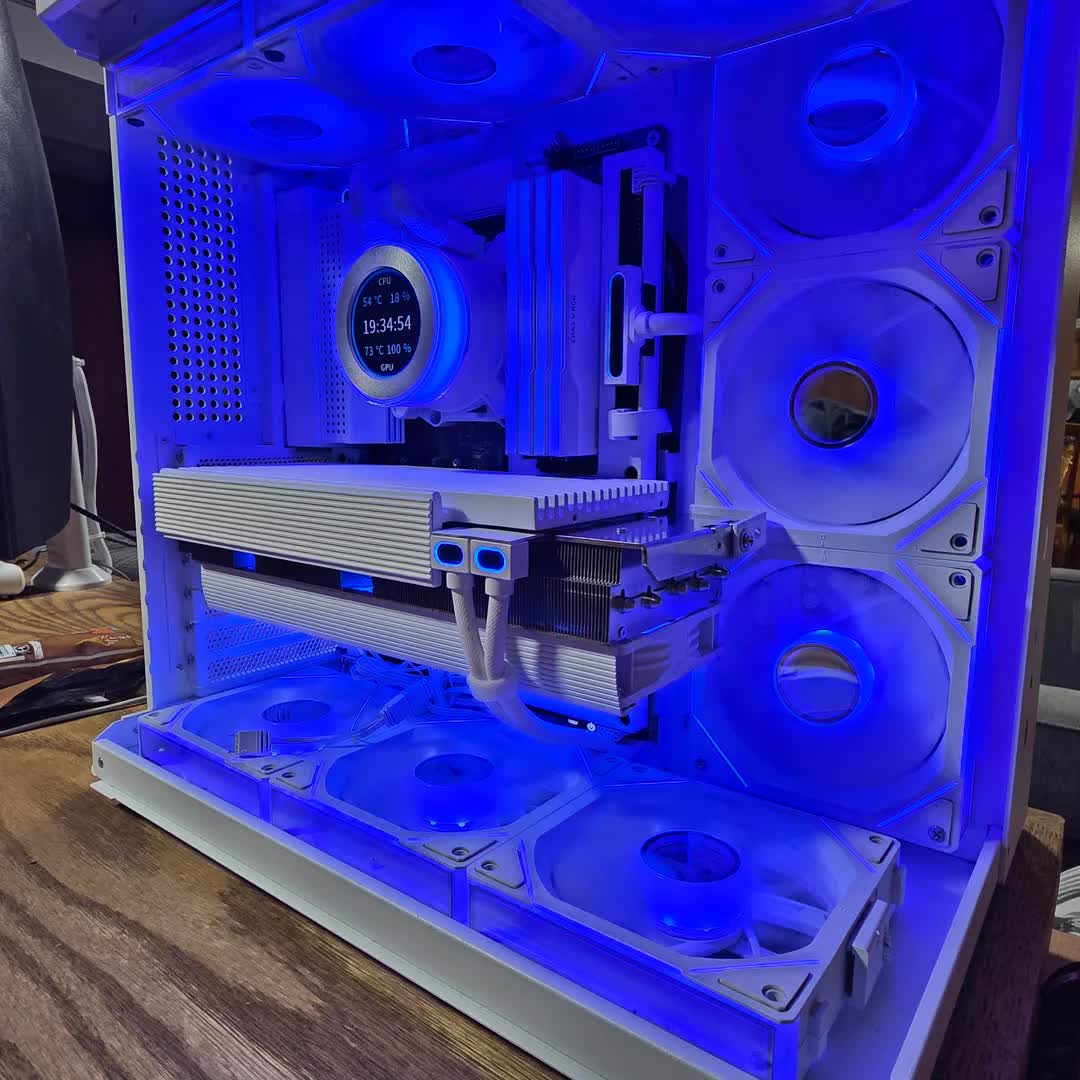
Although the finished product looks and performs impressively, CSM89 sees room for further tweaks.
"Pointing a fan at the heatsink causes the memory temps to rapidly decrease, so I will look into that a bit more," he said.
He described the project as a "passion project" and a "labor of love," and judging by the results, this audio-inspired GPU mod sends a clear message: PC hardware modding remains as creative as ever.