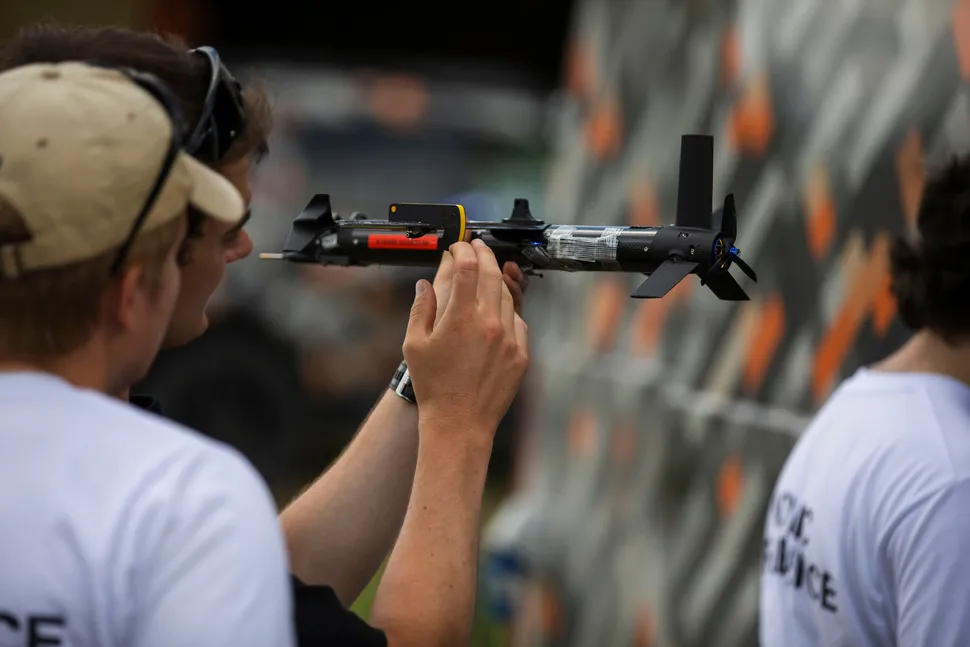
Why it matters: Cheap attack drones have created one of modern warfare's biggest economic problems, with the weapons used to stop them often costing far more than the aircraft they destroy. A Swedish startup believes its foot-long interceptor could make countering drones far more cost-effective, and it has now demonstrated the system taking down targets.
Stockholm-based Nordic Air Defence publicly showed off the K100XR for the first time during a recent Demo Day. Journalists watched the counter-drone system detect, chase, and engage target aircraft in real time.
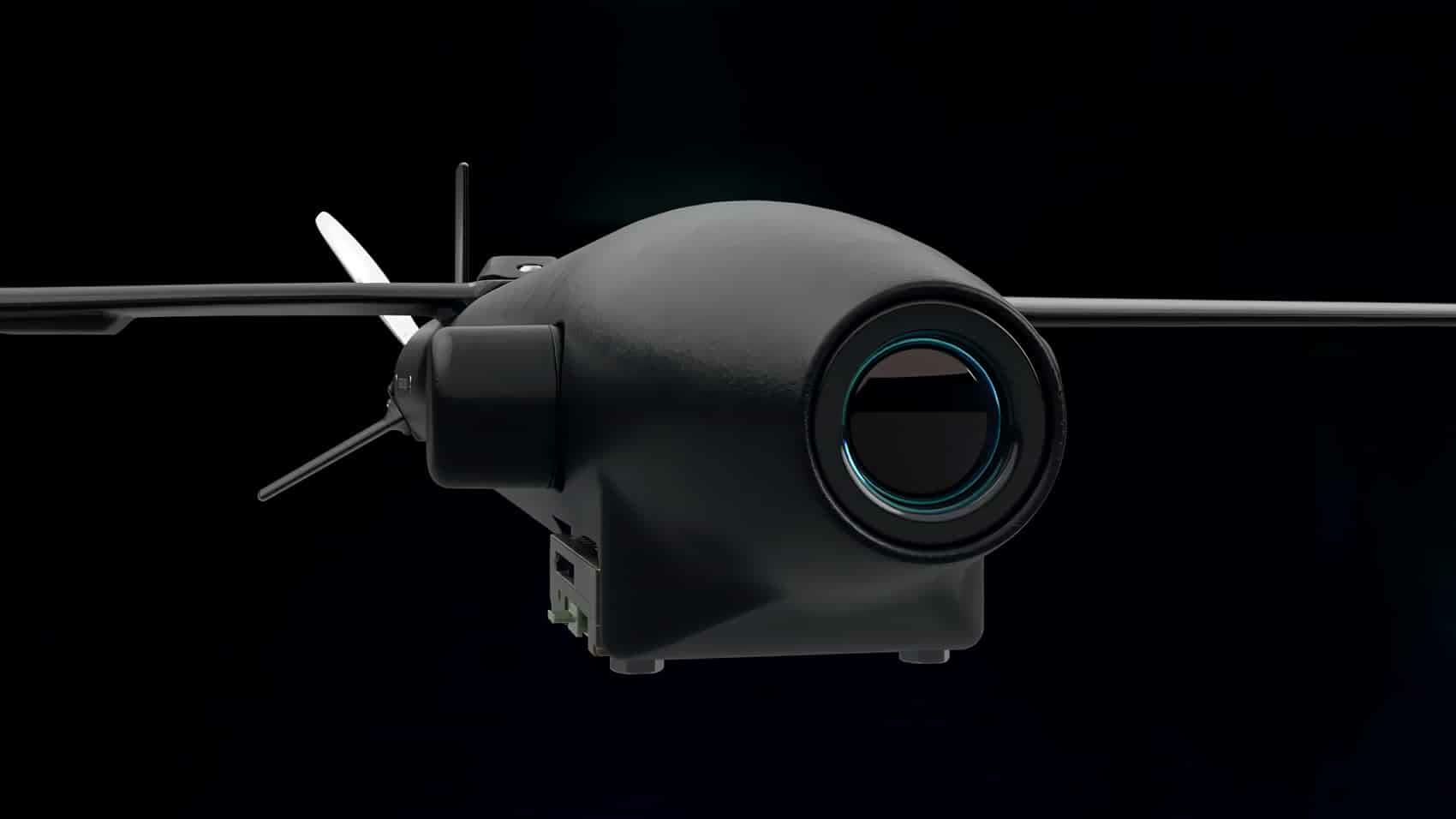
The carbon-fiber interceptor is roughly 12 inches long and weighs about one pound. Despite those dimensions, its propeller-driven design can exceed 220 mph.
The K100XR has a range of more than 1.9 miles, can reach altitudes of around 3,300 feet, and is able to loiter for at least 20 minutes while waiting for a target. Nordic Air Defence says its onboard AI can detect, classify, and track hostile drones without continuous input from an operator.
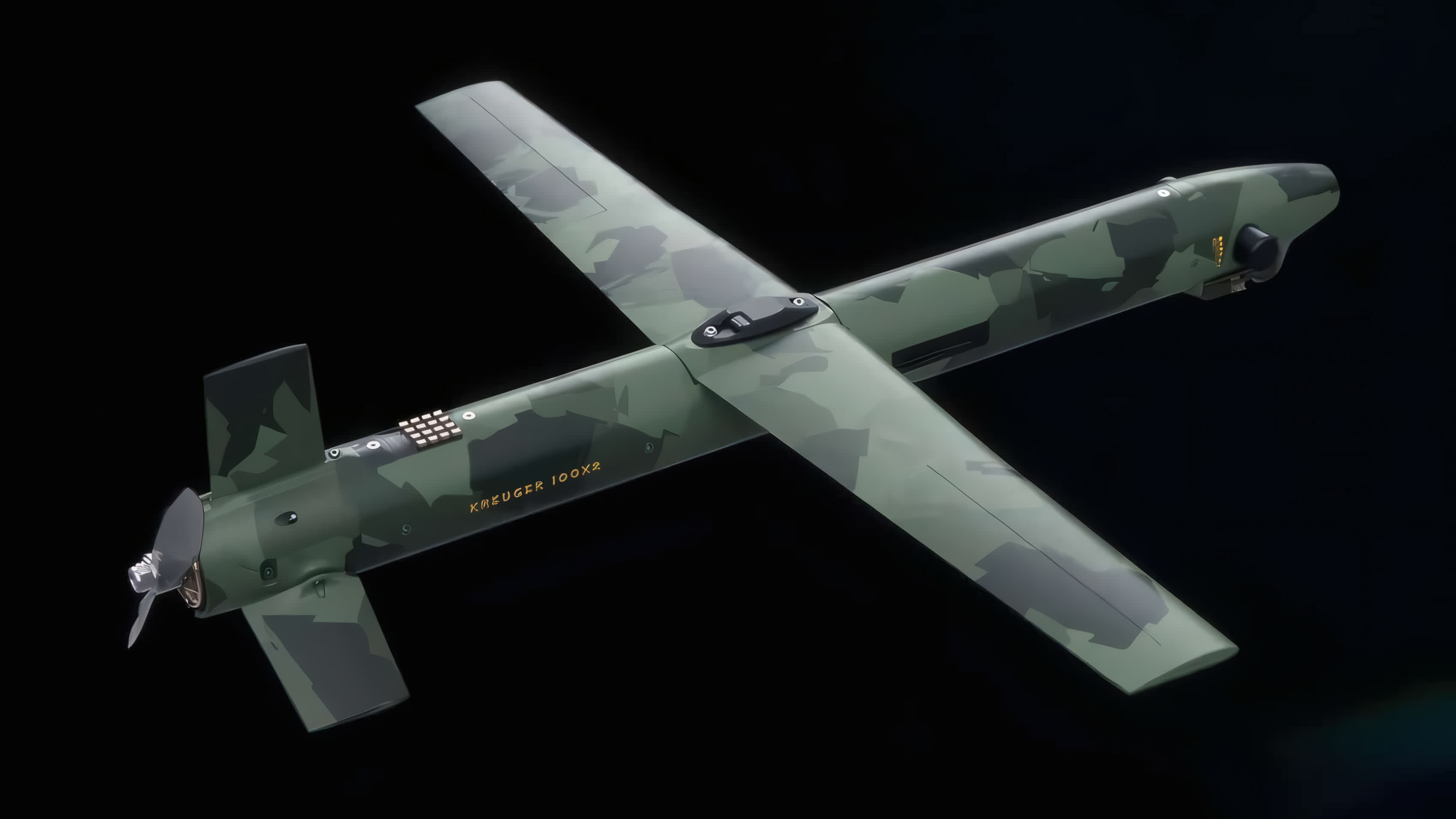
An integrated thermal infrared seeker allows it to operate at night and through cloud cover. It can also enter a fully autonomous, radio-silent mode in environments where electronic warfare makes communication with ground controllers unreliable.
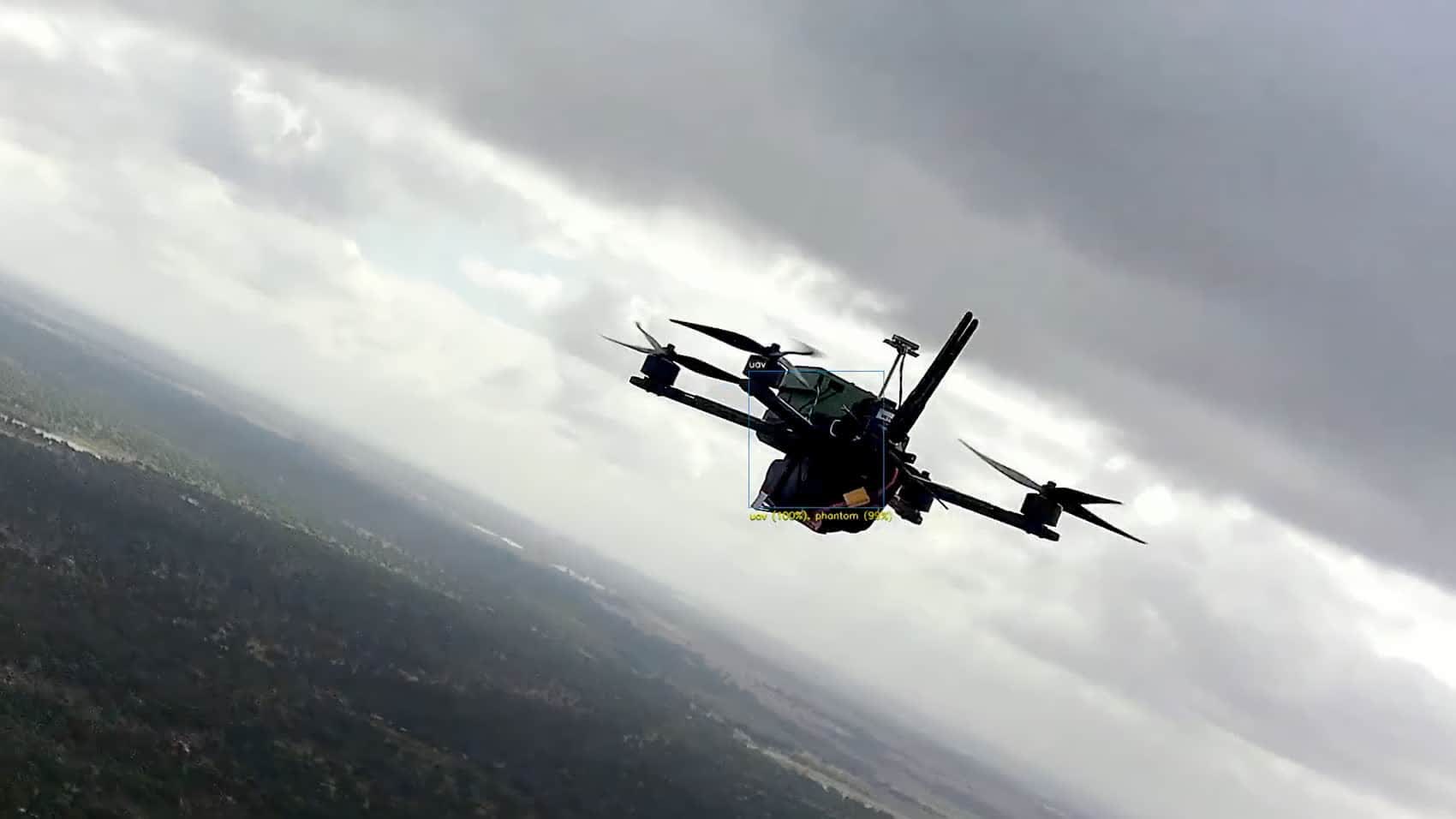
The primary targets are Shahed-type one-way attack drones, along with smaller reconnaissance aircraft. The interceptor can destroy threats kinetically and is available with an optional explosive warhead for taking down larger drones.
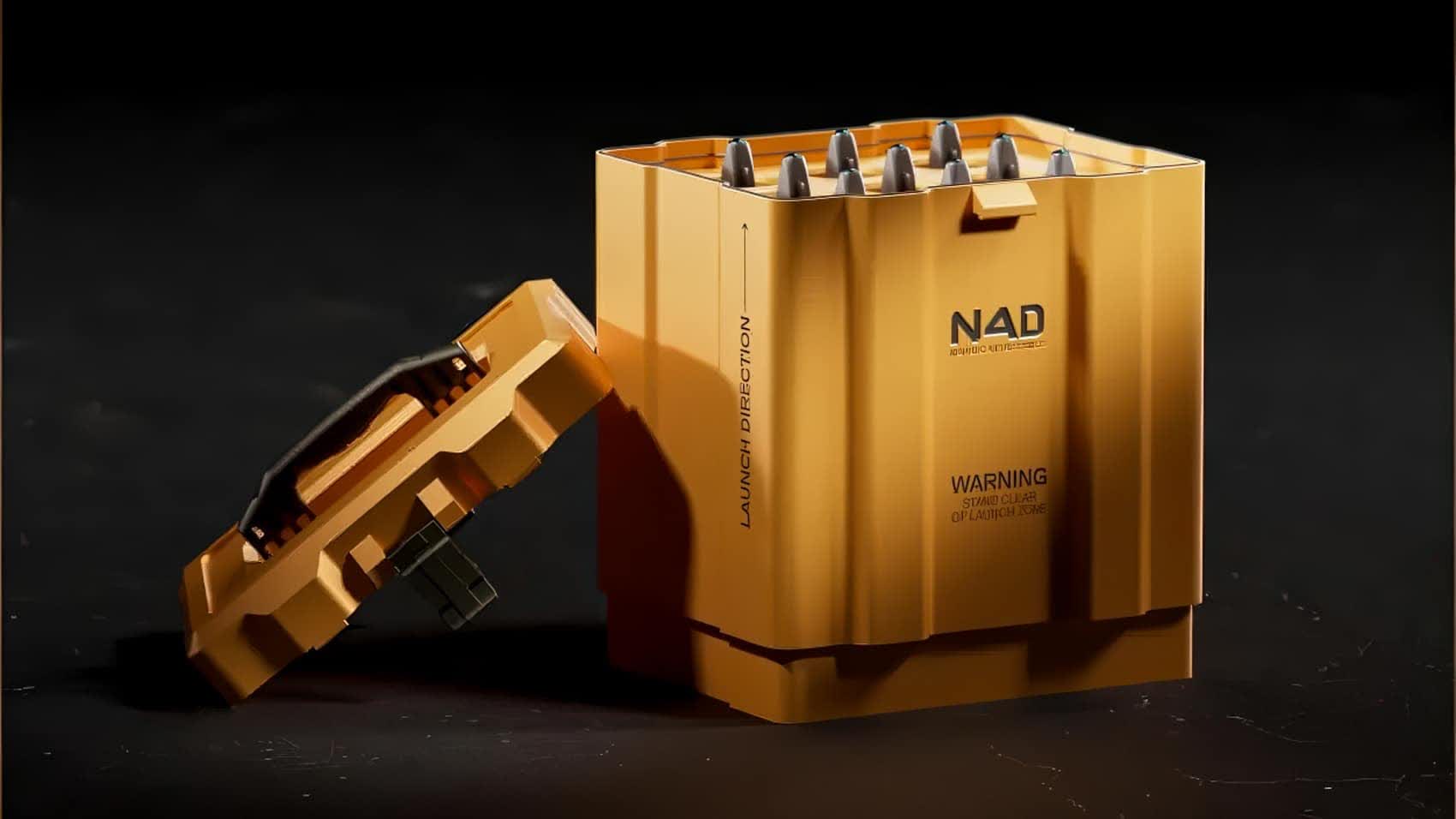
Nordic Air Defence says three K100XR units cost less than a single Stinger missile, which is priced at around $480,000. That makes firing several interceptors at an incoming swarm more financially sustainable than using traditional air-defense missiles.
The financial implications of drone warfare have been making headlines recently. The US military is seeking cost-effective and disposable combat drones after around 30 MQ-9 Reapers were lost during operations against Iran, representing roughly $1 billion in destroyed aircraft. The Pentagon now wants cheaper machines that commanders can afford to lose.
Instead of risking a multimillion-dollar aircraft or firing a missile worth hundreds of thousands of dollars, militaries can deploy K100XR interceptors against equally expendable threats.
Nordic Air Defence is working with Volvo Defense on a vehicle-mounted system and has partnered with Poland's WB Group and Tantalit on integration and potential local assembly. Militaries are now waiting to see if the interceptor can be manufactured at the scale required for drone-heavy conflicts.