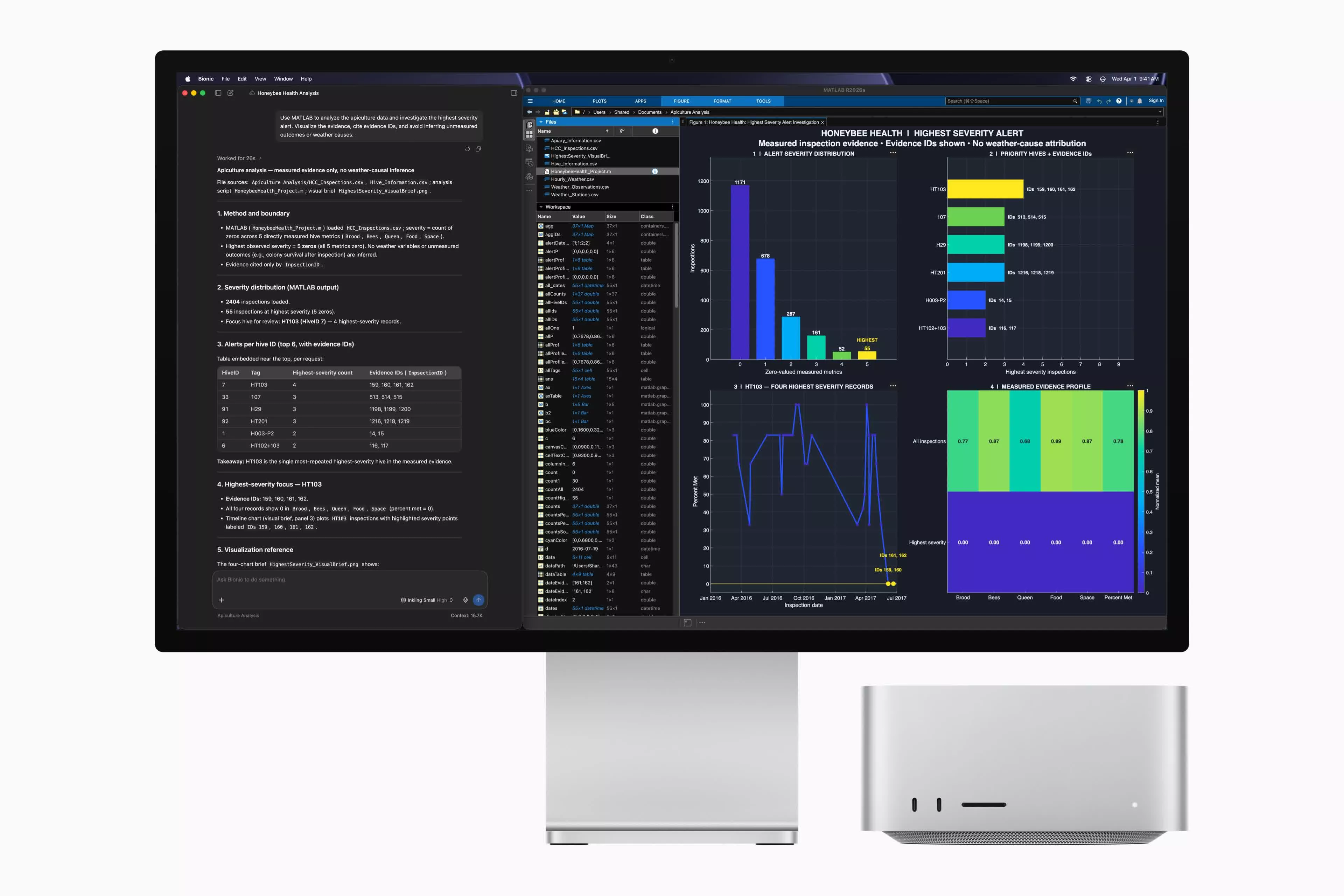
The big picture: Apple announced two new chips and two refreshed desktops today. The M6 is Apple's first 2nm chip. The M5 Ultra is its first quad-die design and the most powerful silicon the company has shipped. As for the desktop PCs, there are no significant new features on either machine, but this is a real spec and pricing bump. What's changed in the past couple of years is who these boxes are for, and whether you'll be able to get one.
The new M6 chip moves to TSMC's 2nm process and is the first Apple SoC to combine all three core types at once. The CPU has 12 cores: two "super cores," four performance cores, and six efficiency cores. Super cores themselves aren't new. Apple introduced them with the M5 Pro and M5 Max in March, and M6 is the first chip to run all three tiers together.
Apple claims to have the "world's fastest" single-threaded performance, 1.2x the multithreaded throughput of the M5, and 40% faster CPU performance than the M4. The GPU moves to 12 cores with a Neural Accelerator in each one, good for nearly 30% more peak GPU compute for AI than the M5.
Rounding out the chip is a dual 16-core Neural Engine that system frameworks can dispatch to simultaneously, storage rated at twice as fast (15GB/s), and up to 170GB/s of memory bandwidth. Memory capacity caps at 32GB, which matters more than it sounds like it should.
M5 Ultra: two M5 Max chips acting as one
The Ultra is arguably the more interesting chip. Apple's UltraFusion interconnect fuses two dual-die M5 Max chips into a single quad-die package, with inter-die bandwidth above 4.4TB/s and more than 6x the connection density of the previous version. The four dies behave as one processor.
That gets you up to 36 CPU cores (12 super, 24 performance), up to 80 GPU cores, a 32-core Neural Engine, and up to 512GB of unified memory running at 1.2TB/s. Apple claims 4.5x the peak GPU compute for AI compared to the M3 Ultra and 40% faster graphics.
Note how the cheaper Mac gets the newest process node, while the flagship chip stays on the M5's 3nm process. That's normal for Ultra parts, which are assembled from Max dies and always trail a generation, but it means the M5 Ultra name undersells a chip that's a much bigger jump than the M6 in AI workloads. We've reported before that Apple doesn't plan an M6 Pro or M6 Max, skipping straight to the M7 in mid-2027.
Not for creators anymore: the local AI angle
Apple shipped macOS 26.2 last December with support for low-latency communication between Thunderbolt 5 hosts, specifically for distributed inference using MLX. Since then, hobbyists and developers have been daisy-chaining Mac minis and Mac Studios to run models far larger than any single consumer machine can hold, as an alternative to buying racks of Nvidia hardware.
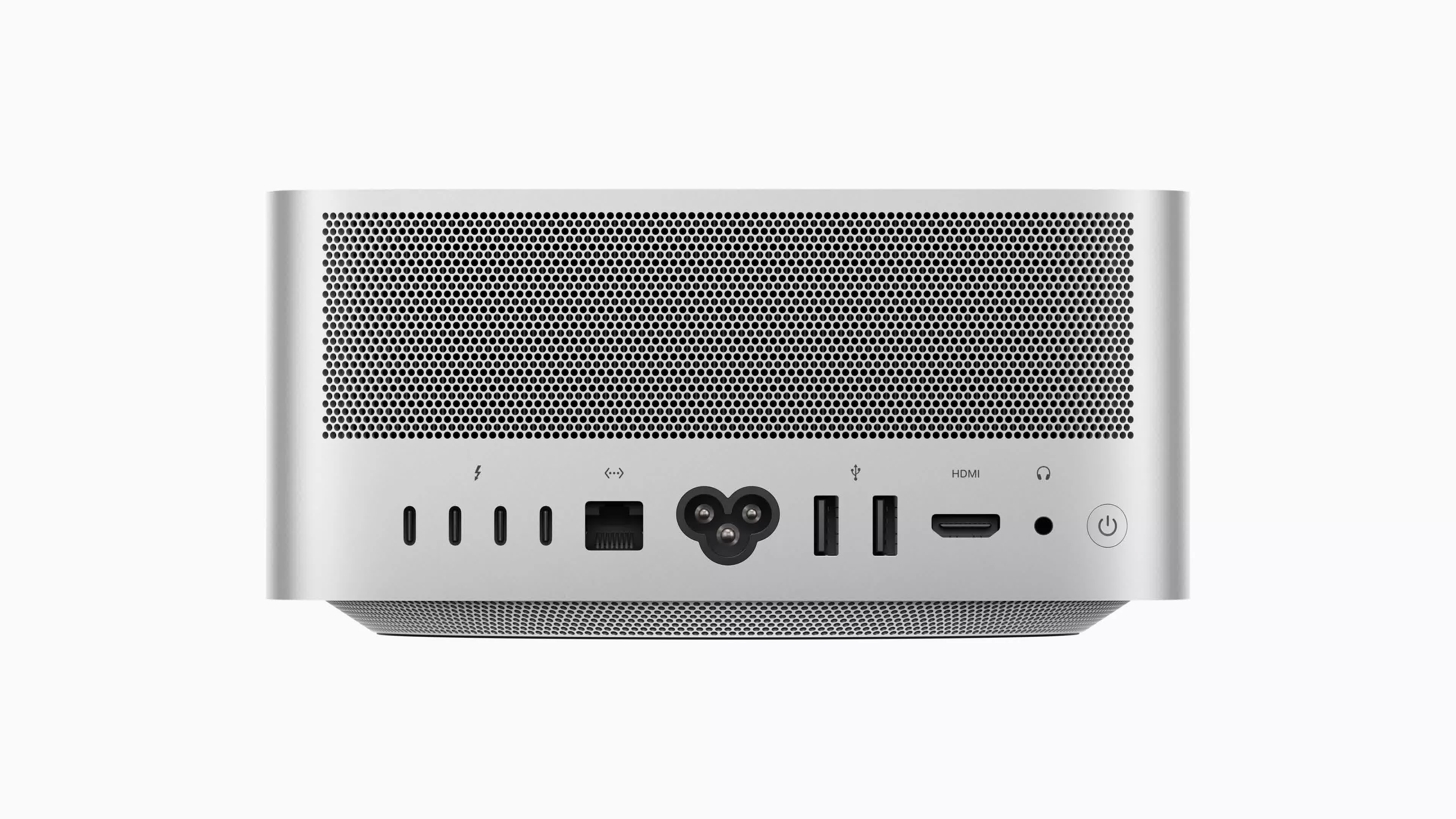
Mac Studio now officially supports clustering over Thunderbolt 5 with RDMA, pooling memory across systems, and Apple says four clustered Studios hit up to 3x the inference throughput of a single machine. There's a new Core AI framework alongside MLX. The Studio is being marketed as the ultimate desktop for on-device AI, the mini as an always-on agentic machine.
At least for now, the economics of this are easy to follow. Developers are running cloud coding agents while watching token bills climb, and open-weight models like Qwen and DeepSeek can handle a lot of the same work on local hardware. The problem is that a normal consumer machine still can't hold a model big enough to fully replace a frontier API, which is why people started chaining Macs together in the first place.
It's an interesting shift for a product that was long an afterthought in Apple's Mac lineup. The mini accounts for ~3% of Mac unit sales in the US, according to Consumer Intelligence Research.
New pricing kicks in
The M6 mini starts at $899 and the M5 Pro mini at $1,699, each $100 above the current M4 and M4 Pro models. Mac Studio starts at $2,499 with the M5 Max, the same as the current M4 Max model, and $5,499 with the M5 Ultra, a $200 jump over the M3 Ultra model.
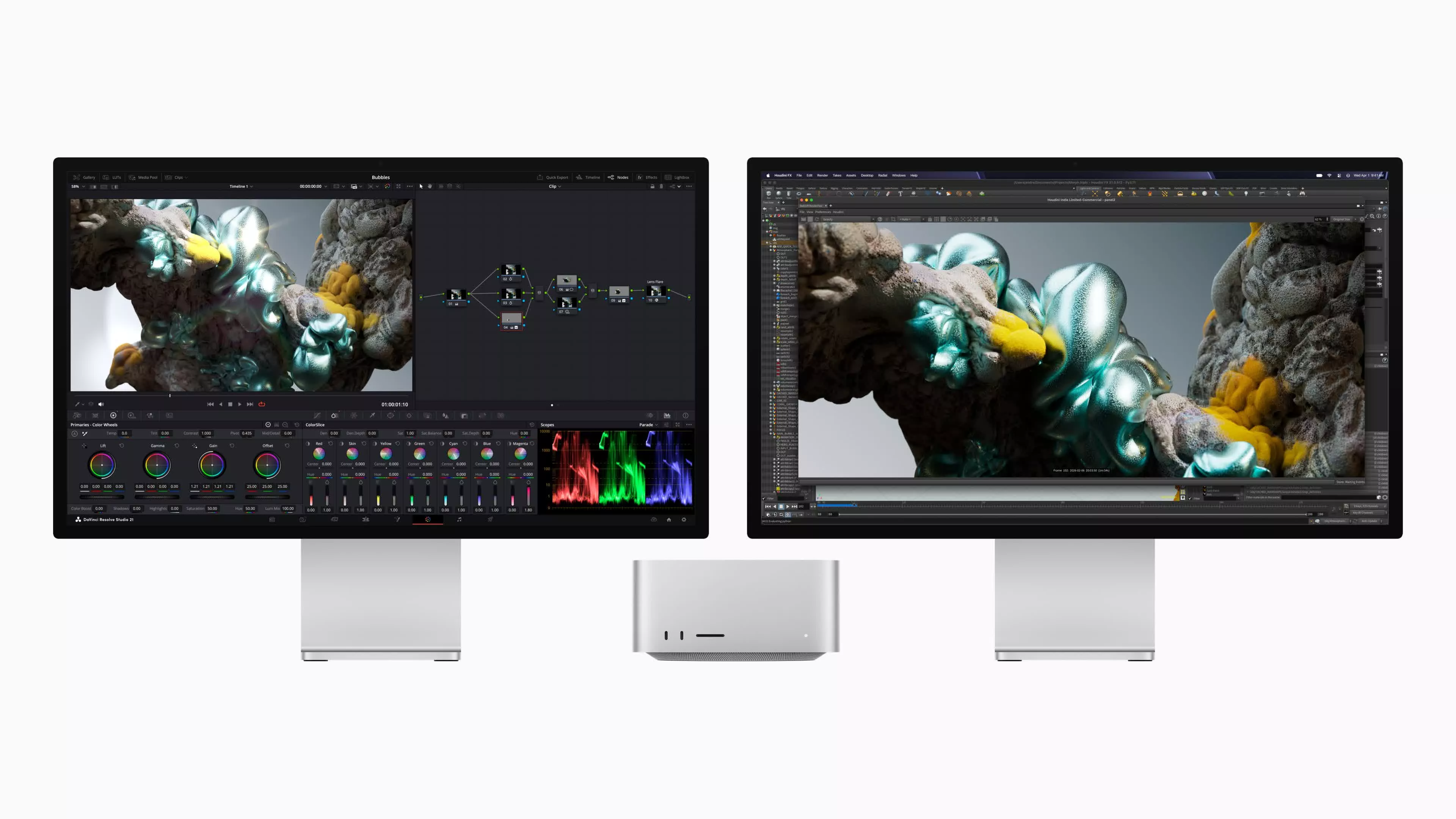
Those comparisons seem to favor Apple, but that's because the baseline had already moved. The M4 mini launched at $599 in October 2024. Apple pulled that configuration in May, making $799 the entry point, then raised Mac prices roughly 15% to 20% in late June, with Cook saying at the time that increases were unavoidable given component costs.
So the cheapest way into Apple's desktop lineup is up 50% in about two months, and it still ships with 16GB of memory and a 256GB SSD.
Upgrades are brutal. Another 8GB costs $200. Hitting the M6's 32GB ceiling costs $400. A maxed-out Mac Studio runs past $15,000.
Of course, this is an industry-wide trend and not limited to Apple. DRAM pricing first increased ~90% quarter-over-quarter in Q1 2026 and another 50-plus percent in Q2.
Supply and demand

IDC describes this phenomenon as a "structural reallocation of wafer capacity" rather than a normal cycle, since every wafer that becomes HBM for AI is one that doesn't become regular RAM for a laptop. That's why Microsoft, Asus, MSI, Nintendo, Sony, and Valve have all raised hardware prices this year.
Demand already outstripped supply on the outgoing Mac mini and Studio, and some configurations shipped with weeks or months of wait time. Apple removed its largest memory options entirely early in 2026 and has struggled to keep some MacBook models in stock, too.
The big memory tiers are back on the new mini and Studio, now reaching as high as 512GB, but that configuration doesn't ship until late October. Everything else arrives September 22, with pre-orders now available.
Apple recently showed off a Mac mini assembly line in Houston that starts production later this year. The pitch is that a higher upfront hardware cost beats recurring AI service bills, but that only works if you can actually buy the hardware.
A new CEO, incoming
We don't review Macs, nor AI hardware, so every performance claim above is Apple's own, with their typical "up to" wording, and benchmarked against a different set of baselines: M1 in one case, M4 in the next, M3 Ultra in the one after.
One last bit of context. Tim Cook's final day as CEO is August 31, with John Ternus taking over, making this launch the last product Apple ships under Cook.
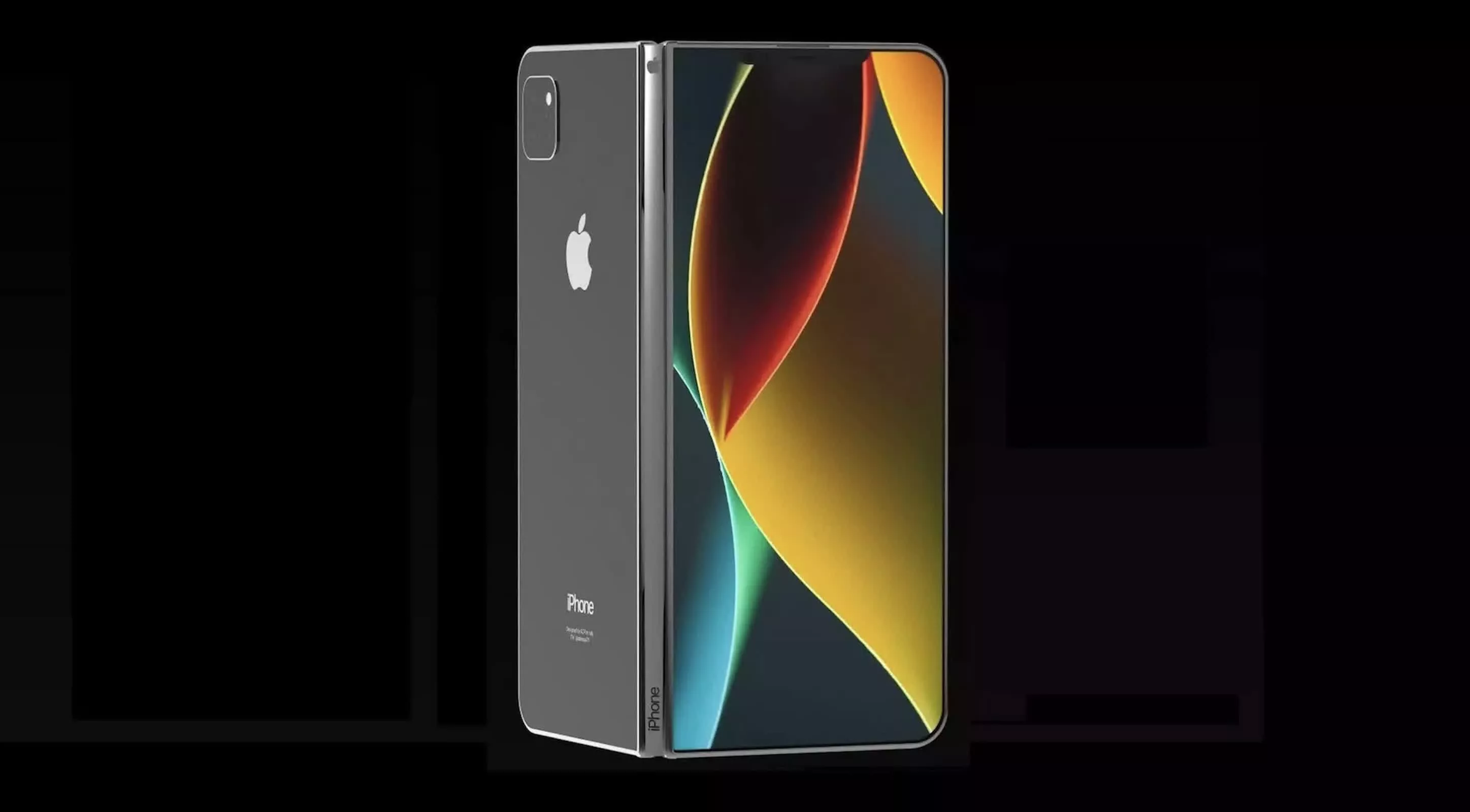
The next iPhone event coming this September, then, will be Ternus' first as chief executive, and he'll be introducing what's rumored to be Apple's first foldable and possibly a touchscreen MacBook.