
The takeaway: Vibe coding is viewed negatively by many, but when dedicating resources to a specific project isn't feasible, few alternatives exist. Microsoft, for example, doesn't have the time or resources to create modern drivers for operating systems they've long moved on from… but AI has no problem crafting code for legacy versions of Windows.
A developer by the name of Yeo Kheng Meng recently commissioned AI to create a driver that enables generic USB 3.x, USB4, and Thunderbolt 3/4 host controllers to work on ancient operating systems including Window 98 SE, ME, 2000, XP, Vista, and 7.
Dated versions of Windows barely make a blip on the OS market share radar, so why should anyone even care about something like this? Well, despite the low percentage of overall users, there are still lots of retro computing enthusiasts out there actively using older computers running legacy hardware and software. Being able to take advantage of modern connectivity is just icing on the cake for them.
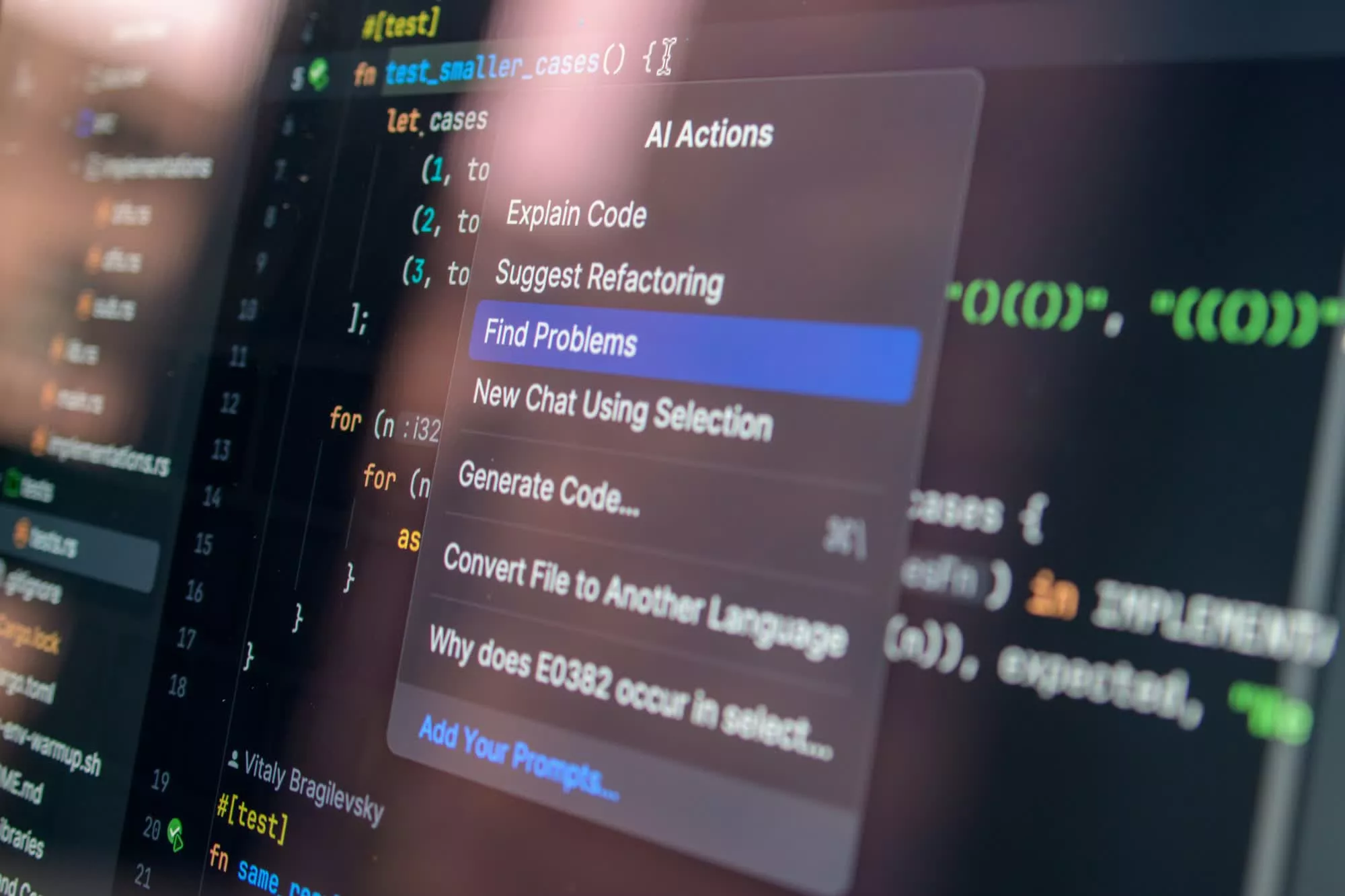
Even if you aren't interested in this particular driver, there's a lot to take away from a story like this. Vibe coding gets trashed in the mainstream as a lazy way to approach a coding problem but as mentioned, not everyone has the time or resources to devote human programmers to every project. Tasks are often tackled based on priority, and making a driver for retro computing fans likely isn't going to rank high on that list.
One can also argue that vibe coding is a great way to explore ideas without having to be an expert in the field of programming. Every day, people come up with new and creative ideas that could help others but don't have the technical skills to turn them into a practical application. If vibe coding can get them a step closer and teach them something about the process along the way, I'm all for it.
Those interested in learning more about the vibe-coded driver for Win98 are encouraged to check out Meng's deep dive over on his blog.