Big quote: Adobe, a company that was once sued by the US government over its early cancelation fees, has seen plenty of customers abandon its products in favor of free alternatives. One developer has even used AI-powered reverse engineering to create a suite of tools intended to replicate Adobe's apps, leading him to declare that "software is over."
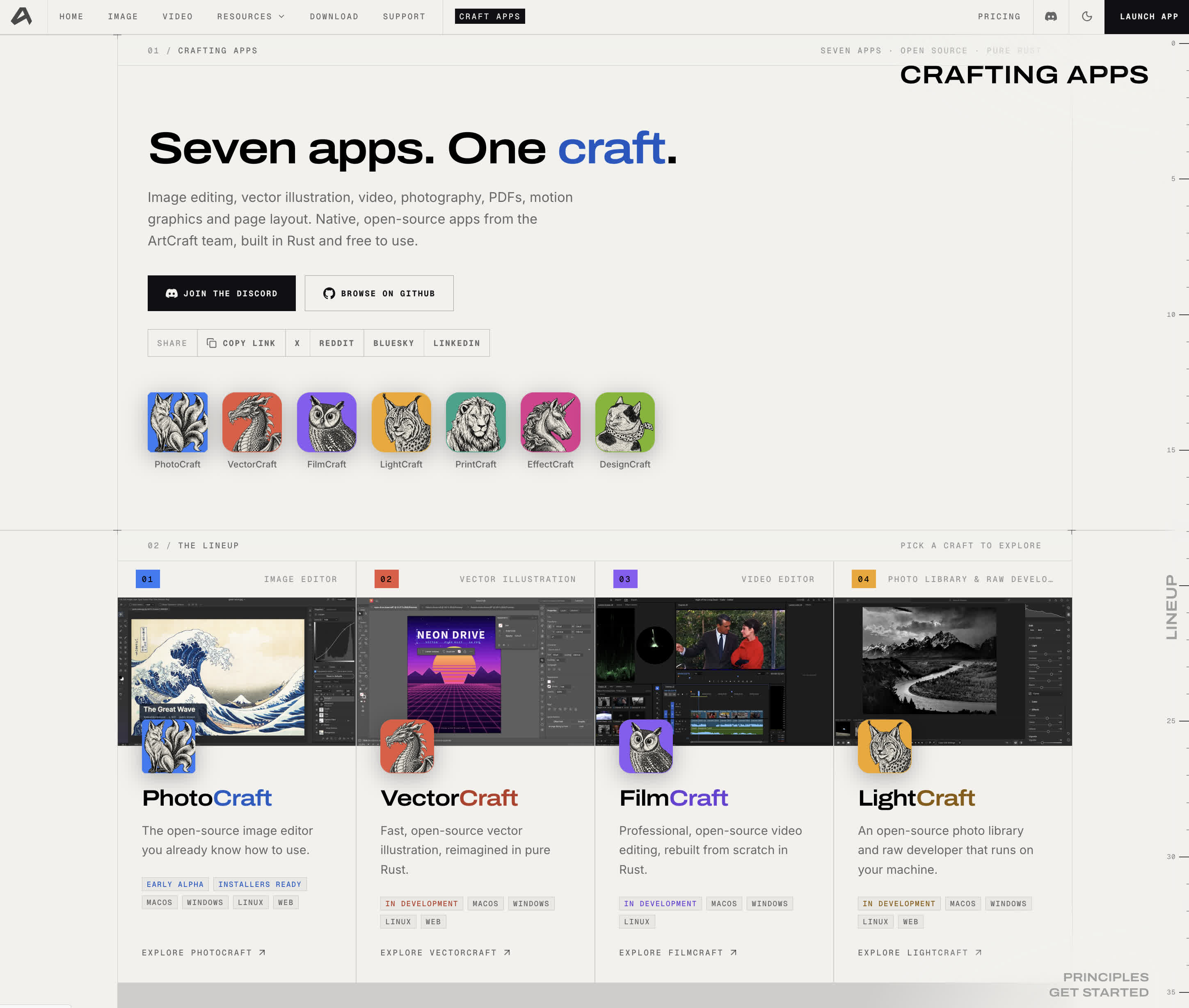
As Ars Technica reports, developer Brandon Thomas is taking on seven of Adobe's best-known applications through Artcraft. The project extend beyond Adobe's famous photo editing program to video production, vector graphics, page layouts, and PDF tools.
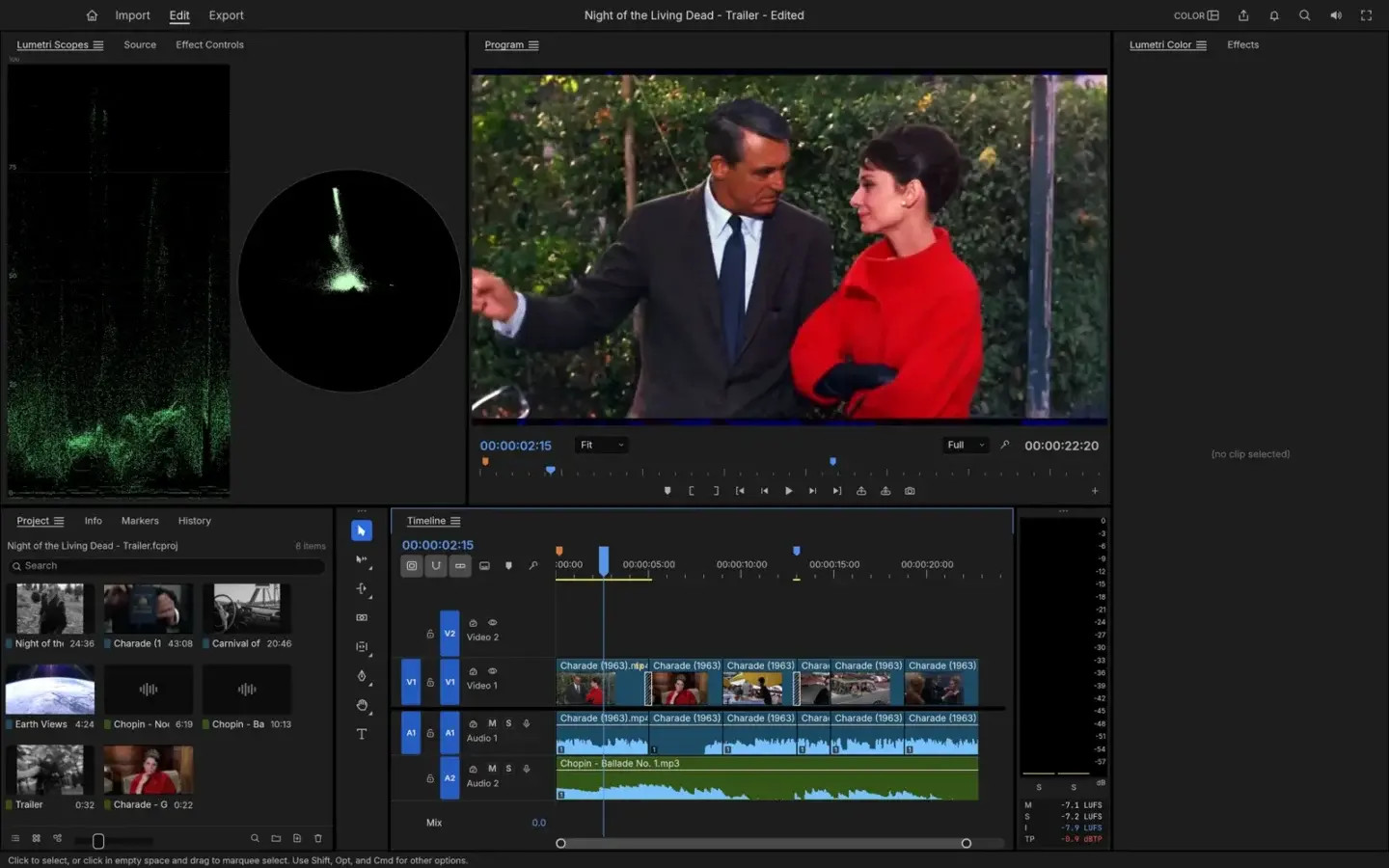
In his Reddit announcement, Thomas says he used Anthropic's Claude Opus 5.5 to build the replacements in Rust. Photocraft imitates Photoshop, while Vectorcraft and Filmcraft take on Illustrator and Premiere. Lightcraft, Effectcraft, Designcraft, and Printcraft are the alternatives to Lightroom, After Effects, InDesign, and Acrobat Pro, respectively.
The apps are open source and free, with no subscription required. Users can download the source code, modify it, and contribute fixes. Thomas describes himself as a software industry veteran with 15 years of experience, including roughly a decade working with Rust. He also insists the project has team support and will not be abandoned after launch.
"We're going to reach 100% parity within a month," he said, which is an ambitious claim.
Thomas did seem to curb his enthusiasm in comments on Hacker News, though he still said reaching 99% parity would take months rather than years.
For now, the software remains at an early stage, and commenters have reported problems with basic functionality. They might look like Adobe's apps, but it doesn't sound like they're able to replace the long-established programs just yet.
Thomas says Adobe's cancelation fees helped motivate the project, which is understandable.
In June 2024, the US government sued Adobe over allegations that it concealed early termination charges and made subscriptions unnecessarily difficult to cancel. Customers ending certain annual plans early faced fees amounting to half their remaining payments. Adobe disputed the allegations, saying its terms were transparent and its cancelation process straightforward.
In March 2026, the company agreed to a $150 million settlement, comprising $75 million in civil penalties and $75 million in free services for customers. The agreement also required clearer fee disclosures and easier cancelation, though Adobe continued to deny any wrongdoing.
As for who pays to keep these seven free applications going. Thomas says Artcraft's separate business selling tokens for AI image and video models will help cover development costs. He's also asking users to report bugs and contribute improvements.
There are also the potential legal implications. It's hard to imagine that Adobe will be overly pleased if the ArtCraft apps imitate its products a little too closely, though the company has done little to earn the public's sympathy.
Adobe users already have other options, of course. We previously dived into Photoshop alternatives including GIMP, Krita, and Photopea. Artcraft's pitch is that familiar Adobe-style tools could make switching easier, without the recurring bill and the cost of canceling early.
Thomas believes other developers will follow suit, predicting a future where free, near-identical open-source versions of popular paid apps will be widely available.
"Now you can just create 1:1 functional equivalents, clean room, that are highly performant and cross-platform. Nothing is stopping you," Thomas wrote. "We'll replace Google Search, we'll build our own smartphones, we'll build better infra. We'll remove all the ads and de-enshittify the entire tech world."
"Software is over," he declared, somewhat boldly.