
Editor's take: The Europe-based PEGI rating system is introducing a significant change in how games sold across the Old Continent are labelled and marketed to consumers. Digital-only titles designed to sell gamers random items for a pretty penny now face the same rating risks as games depicting violence, sexual activity, and drug use. As they should.
Earlier this year, the Pan-European Game Information (PEGI) system announced a new rating regime for video games built around selling randomized content to players. Now, the organization responsible for administering PEGI in the United Kingdom has confirmed that the changes are finally being implemented. Major game releases have already been affected by the new ratings, although the new rules are expected to remain exclusive to Europe.
According to a recent post by Connor Hinde, who serves as a PEGI administrator in the UK, the Games Rating Authority (GRA) has begun applying the new PEGI rating criteria. A number of previously released, digital-only games will be affected, starting with titles that employ aggressive monetization tactics, such as loot boxes and other systems involving randomized rewards.
A game such as EA Sports FC 27, which previously carried a PEGI 3 rating – meaning it was considered suitable for all ages – has now been assigned a PEGI 16 rating. The new classification includes the "Paid Random Items" descriptor, informing consumers and parents that these games may carry additional financial risks associated with gambling-like mechanics.
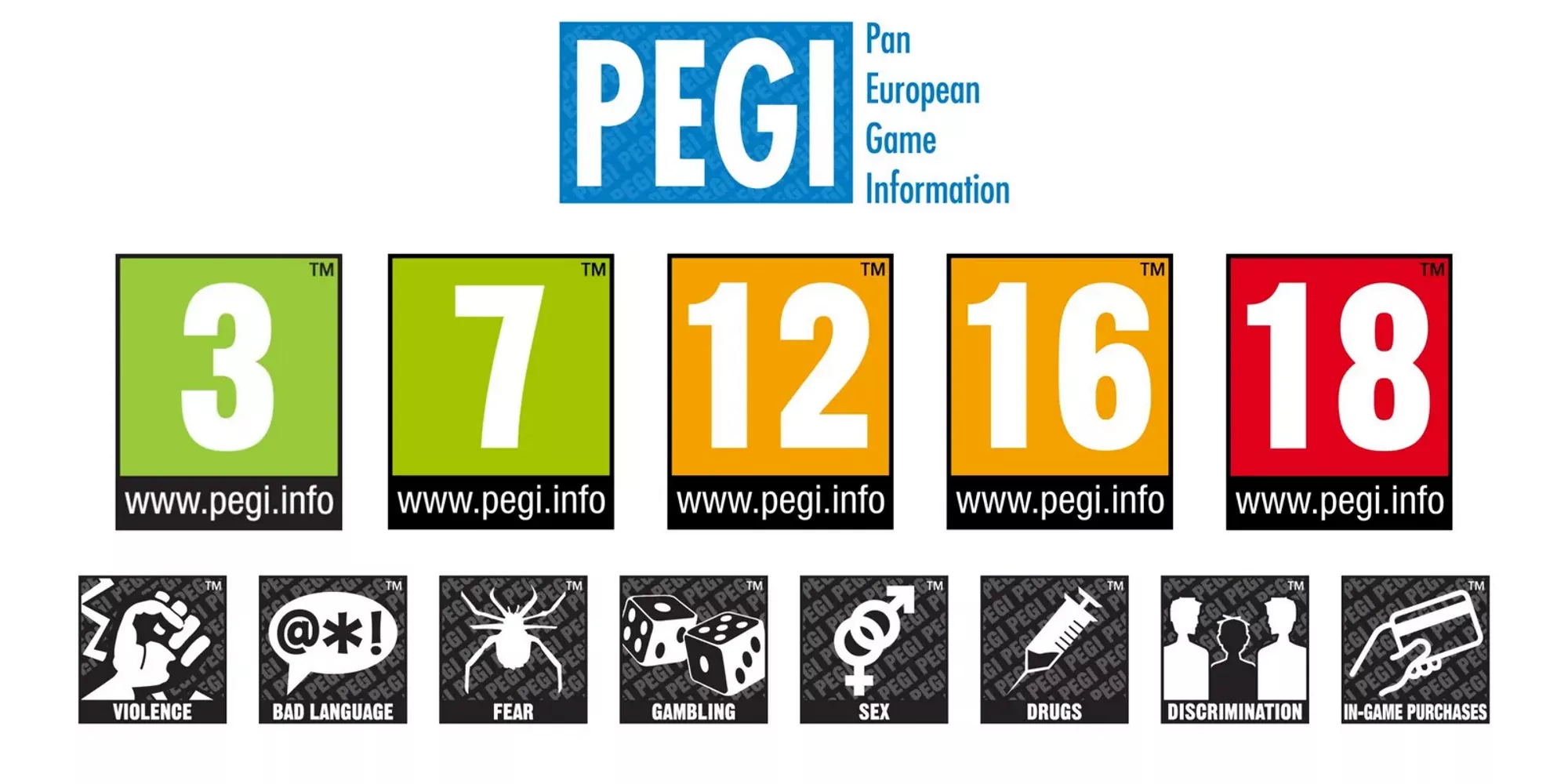
Hinde said that the revised PEGI 16 classification is being rolled out now and should progressively affect more digital-only games throughout the month. The GRA expects a high volume of rating changes within a short period. Meanwhile, publishers and developers seeking guidance can contact PEGI's official helpdesk to get their questions answered.
The new loot box-related classification is likely to frustrate game companies that oppose additional restrictions on their business practices. Players, meanwhile, appear largely supportive of PEGI's efforts to tackle exploitative monetization tactics used by major publishers. Such practices should be subject to even stricter regulation and, where appropriate, banned outright across the globe.
For the most part, however, little is likely to change outside Europe's digital marketplace. The Entertainment Software Rating Board (ESRB), the organization responsible for administering age ratings in the US video game market, has said it will not follow PEGI's lead by introducing a new "PEGI 16"-style classification, arguing that American consumers could be confused by the change.