
GenAI Doh: During his career, Masahiro Sakurai created a few extremely successful game franchises, including Kirby and Super Smash Bros. Now, the Japanese designer is weighing in on the generative AI debate, arguing that LLM-based "stochastic parrots" don't have what it takes to create a truly original game IP.
In a recent interview with Japanese website Denfaminicogamer, Sakurai shared his well-informed opinions on how generative AI is going to impact the video game business. Developing new game "products" is becoming easier than ever, he said, but turning AI-generated slop into a profitable venture will take a lot more than a few chatbot prompts.
Sakurai explained that modern game designs usually stem from direct comparison with what's already on the market. That gives developers and publishers an easy way to show customers what they're getting for their money.
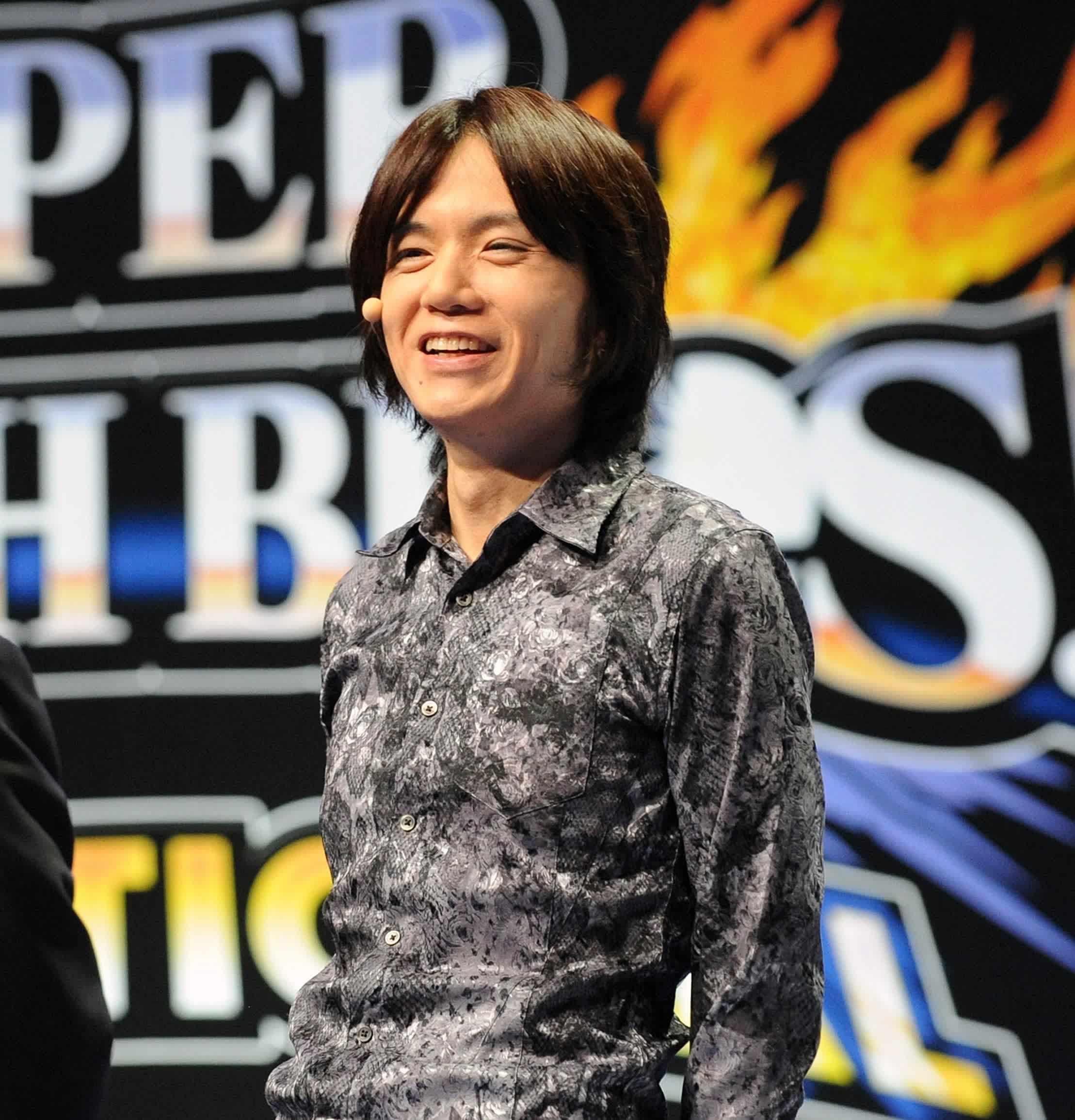
In this regard, AI will make things much easier – and much worse for the gaming industry as a whole. Generative AI is set to trigger an explosion of lookalike games, Sakurai said, but most of these copycat "productions" will end up unprofitable.
The technology will certainly help mass-produce poor-quality content, with most AI games replicating gameplay mechanics players have already experienced elsewhere.
Sakurai is also concerned about the lack of truly creative projects in the mounting wave of GenAI gaming slop. Creating a genuinely original game is beyond what AI can do, he suggested, and extremely difficult for human designers as well. He cited Super Smash Bros., noting that the first game in the series had to take a truly novel approach to stand out from the traditional fighting game genre.
Sakurai's views on game design and creativity are bound to fuel an already heated debate. According to a recent CESA survey, more than 85% of Japanese developers now use some form of LLM-based solution in their workflows.
Epic Games, for its part, has argued that AI will be involved in nearly all future game production, while paying PC customers have increasingly lamented the impact of GenAI games on Steam's Next Fest event.
This year's Next Fest is suffering from the AI slop overflowing on Valve's digital platform, and users are now asking for an official "no-AI" filter to make interesting demos easier to discover.
Sakurai said Steam's numbers show how current development trends are inflating the market. In 2010, Steam hosted a few hundred new releases per year, around 275. Today, more than 19,000 new projects launch on the platform annually. Generative AI will only push those figures even higher.