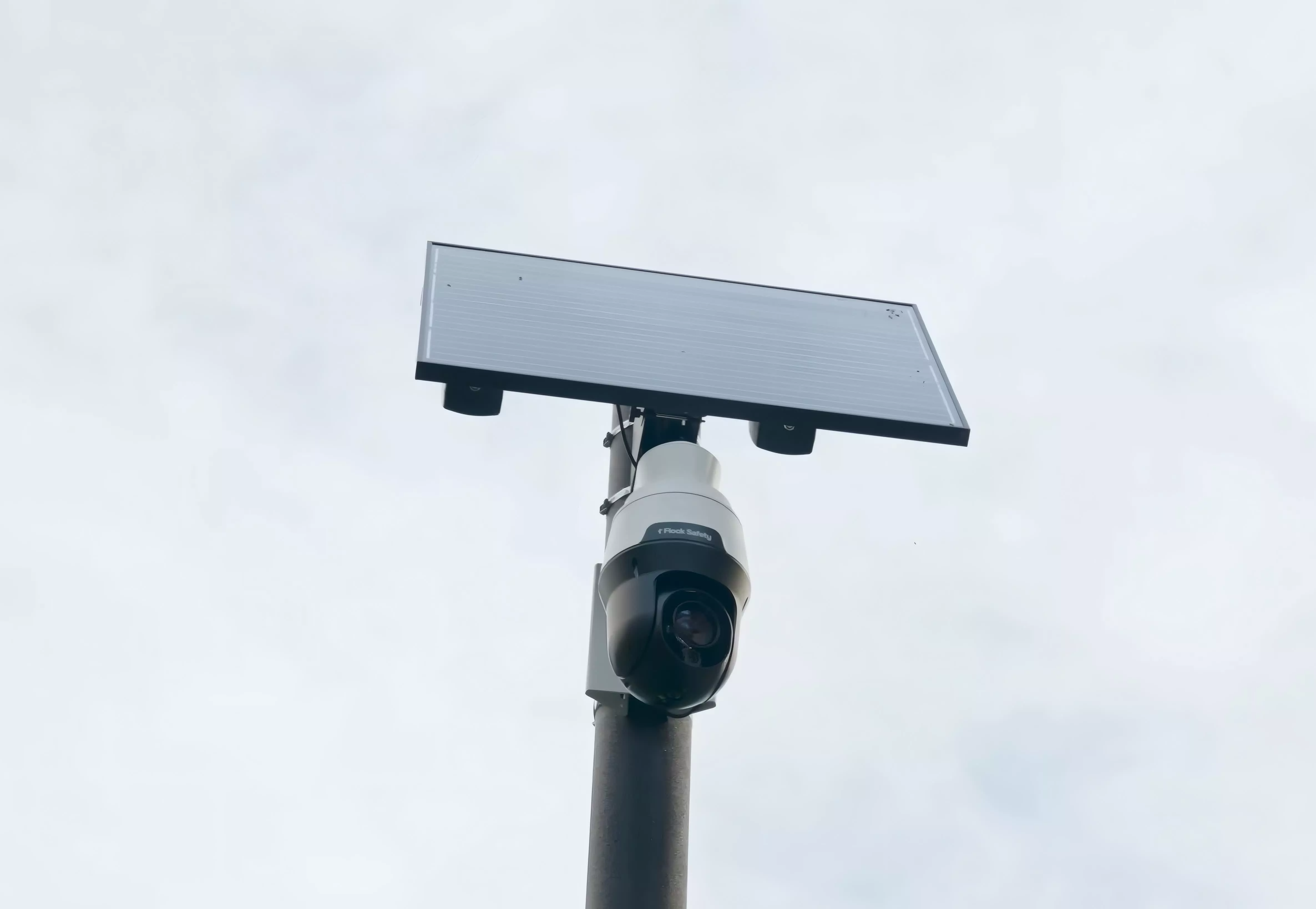
A hot potato: Flock is fighting to improve its reputation. Not an easy task, considering that the surveillance company has been the subject of so many negative stories in recent times. Its latest attempt to placate the public is a bit of a surprise: announcing support for state rules on its license plate-reading cameras. But it draws the line at requiring police to obtain warrants before searching its databases, which is less of a surprise.
As Arizona Capitol Times reports, Flock policy director Andrea Korb told an R Street Institute webinar that the company supports state-by-state legislation governing its camera technology. It expects a wave of bills in 2027, with lawmakers interested even in states that have recently passed restrictions.
"There is a lot of fear and concern about this technology right now and we want people to know ... your legislature has looked at this and here are the safeguards that have been put in place," Korb said. "There shouldn't be unfettered access to all vehicles and all cameras for any reason."
There is, however, a fairly big sticking point, and probably the most contentious element when it comes to Flock searches: warrants. Korb backed independent third-party audits, noting these are already in place in Minnesota, but argued that requiring police to obtain warrants before searching the databases would burden officers and substantially reduce the technology's effectiveness.
Emily Grimmius, a privacy policy analyst at the Libertas Institute, argued that audits identify problems after they happen, whereas warrants could prevent civil rights violations. She is working on Utah legislation that would require warrants except in emergencies, approval before camera installations, regular audits, and stronger penalties for misuse.
"Sometimes this job should be difficult for law enforcement because due process is incredible," Grimmius said.
Flock has already announced changes to its own policies, including reducing its default data retention period from 30 days to seven. But that doesn't mean every image disappears after a week. Existing customers can retain their current retention periods, while an Evidence Mode allows specific records to be preserved for active investigations.
Customers will also be able to restrict which categories of offenses other agencies can investigate using their cameras, including blocking immigration-related searches.
The company also says it will require automated misuse detection and case codes for law enforcement searches by the end of the year. Emergency searches can bypass the code requirement but will be flagged for review. Another promised safeguard automatically suspends access when activity meets the company's criteria for abnormal behavior, pending an administrator's review.
Whether any of this restores public confidence remains to be seen. It was reported last month that two Flock cameras reappeared in Dayton, Minnesota, after the city canceled its contract and explicitly told the company not to complete work orders. Residents spotted the devices, and police were directed to remove them.
That followed a similar incident in Grass Valley, California, where Flock blamed an automated maintenance process for replacing cameras the city had deliberately removed.