
Recap: Google popularized the modern concept of smart glasses with its ill-fated Google Glass project in 2013, which succumbed to sharp pushback over privacy concerns. As Meta contends with the same controversy more than a decade later and Apple contemplates the issue, Google is taking another crack at it, hoping new privacy assurances can make smart glasses the next digital trend.
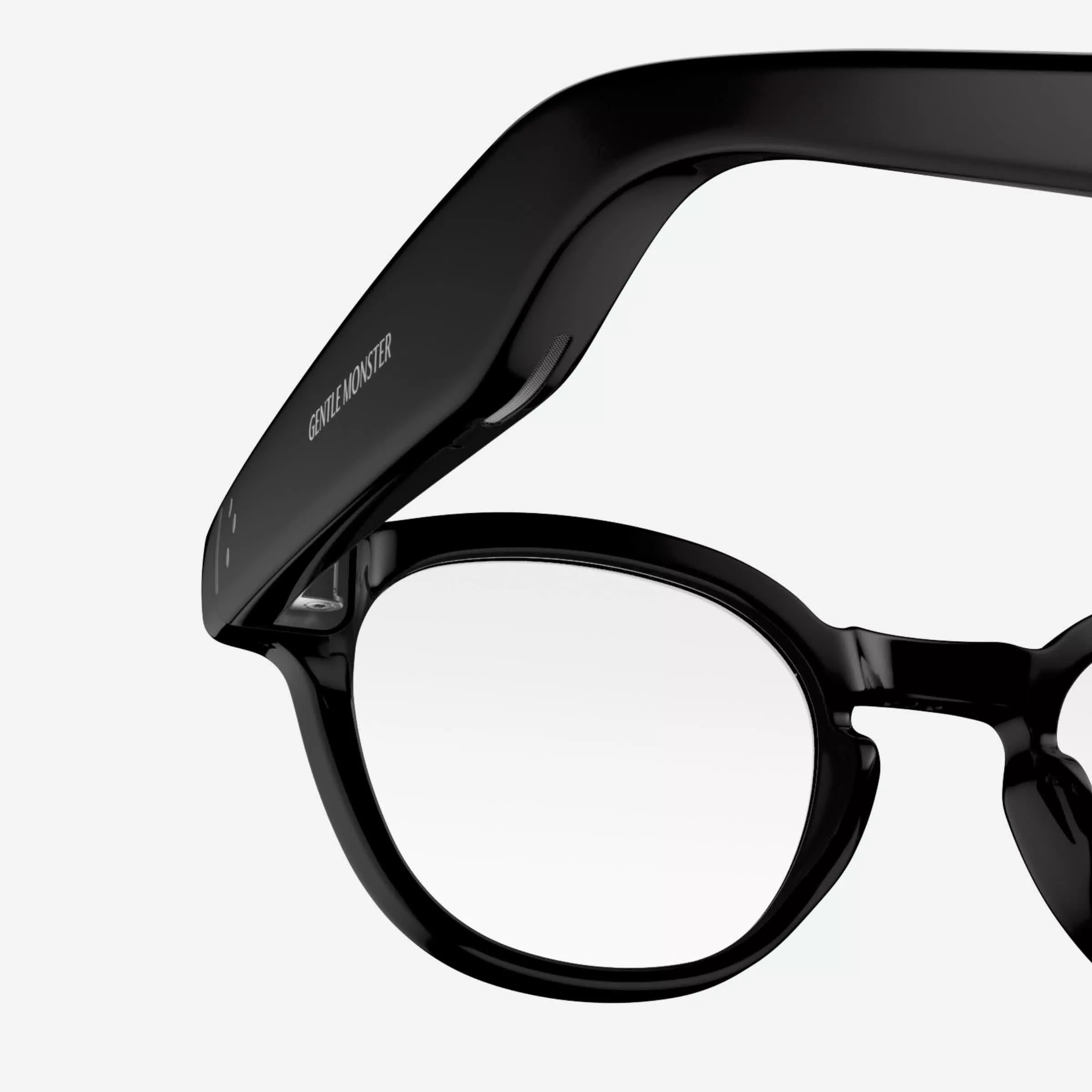
Pre-orders are now open for two new sets of Google smart glasses from Warby Parker and Gentle Monster. Shipment dates remain unclear, but various colors and styles are available, ranging from around $400 to $500.
Google's new Intelligent Eyeware collection runs on the company's Android XR platform, which mirrors Meta's smart-glass functionality via Google's AI and software suite. Users can summon Gemini with a voice command, get audio descriptions of what the 12MP camera sees, access turn-by-turn pedestrian directions with Google Maps, and much more. The company's new Guided Vision mode also uses audio descriptions to assist the blind.

Glasses from both companies record video in 3K resolution at 30fps, weigh roughly 41 grams, and feature a Snapdragon AR1 Gen 1 SoC with 64GB of internal storage and 2GB of RAM. Battery life is 9 hours on a single charge.
To avoid the controversy that sank Google Glass 13 years ago and now surrounds Meta's devices, Google also highlighted several new privacy features. Gemini encrypts all data, doesn't save camera visuals or use them for AI training, and automatically redacts people's faces. Users can also control which apps access the camera, erase Gemini's history, and turn the smart glasses into ordinary glasses with a simple off switch.
It remains unclear whether these features will address privacy concerns surrounding smart glasses, which have already been banned in New York courthouses. Norway is also considering temporarily banning smart glasses in parks, beaches, and schools pending further debate.
People have used smart glasses to cheat in school, secretly record people, and, in at least one case, coach a witness in a courtroom. Meta's glasses have also recorded people without the owners knowing. The company recently admitted the devices could record conversations without receiving voice commands to do so, and data labelers previously reported seeing intimate recordings.
Apple reportedly planned to enter the smart glasses market this year, but delayed its rollout to consider its approach to the privacy issue.