A Florida school went into lockdown after AI flagged a clarinet as a gun

Skye Jacobs

Posts: 1,913   +58
Staff
Ripple effect: An AI – based weapon detection system mistakenly triggered a campus lockdown at a Florida middle school after identifying a clarinet as a firearm, raising doubts about the effectiveness and oversight of this kind of security tools in US schools. The false alarm occurred on Tuesday at Lawton Chiles Middle School in Oviedo, when the automated system interpreted a student carrying a clarinet as a potential gun threat. The school entered a code red lockdown as administrators and police responded to what turned out to be a musical instrument.
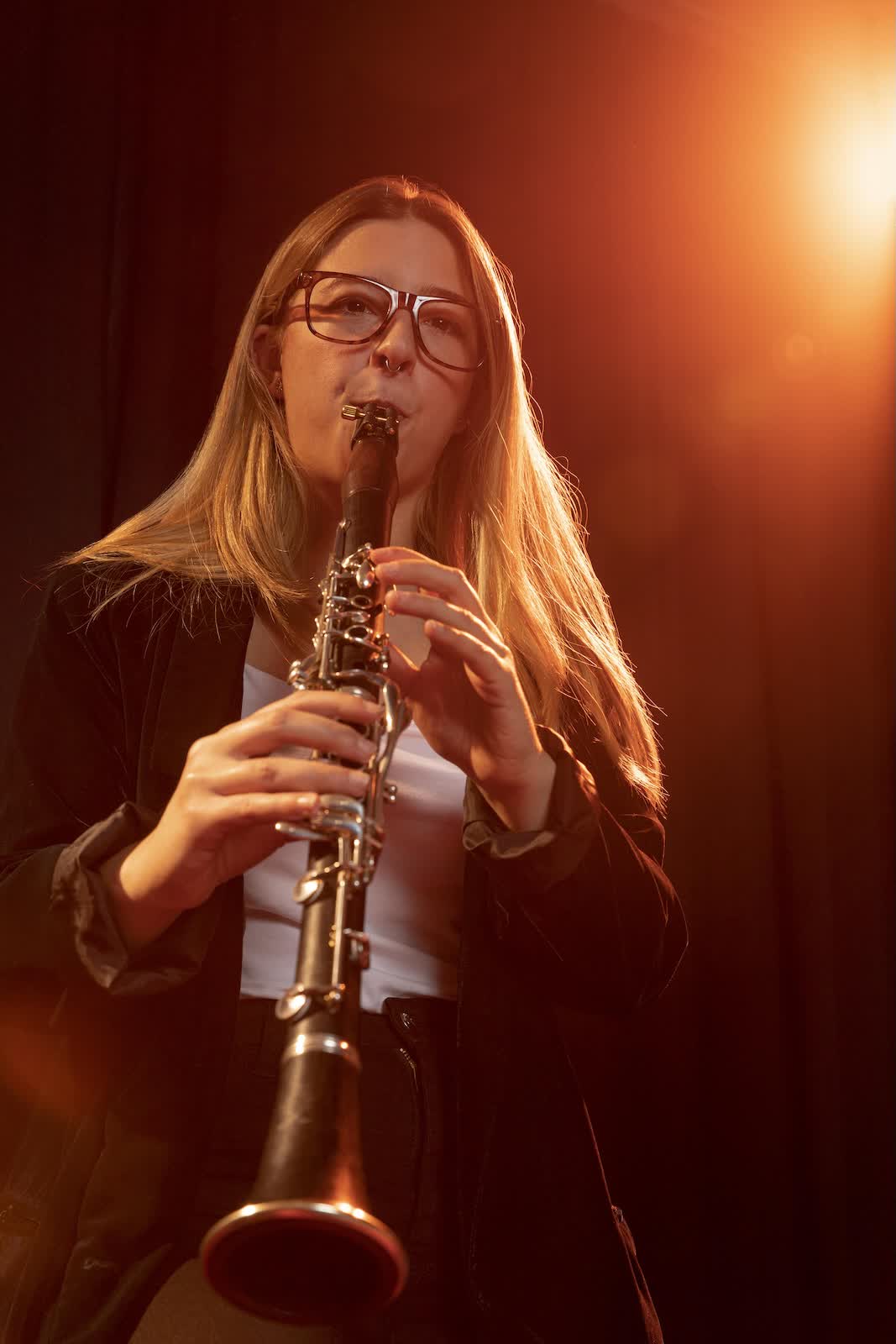
In a message to parents, principal Melissa Laudani explained that the incident had prompted safety protocols but involved no actual threat. She wrote: "While there was no threat to campus, I'd like to ask you to speak with your student about the dangers of pretending to have a weapon on a school campus."

The school uses an AI-driven threat detection platform that scans live video feeds for firearms. Seminole County Public Schools, the district encompassing Lawton Chiles Middle, has contracted with Pennsylvania-based ZeroEyes for what it calls a cloud-based "gun detection deterrent" system. Public records show the district pays $250,000 for the subscription service, though officials have declined to disclose whether the system has ever successfully foiled an actual threat.
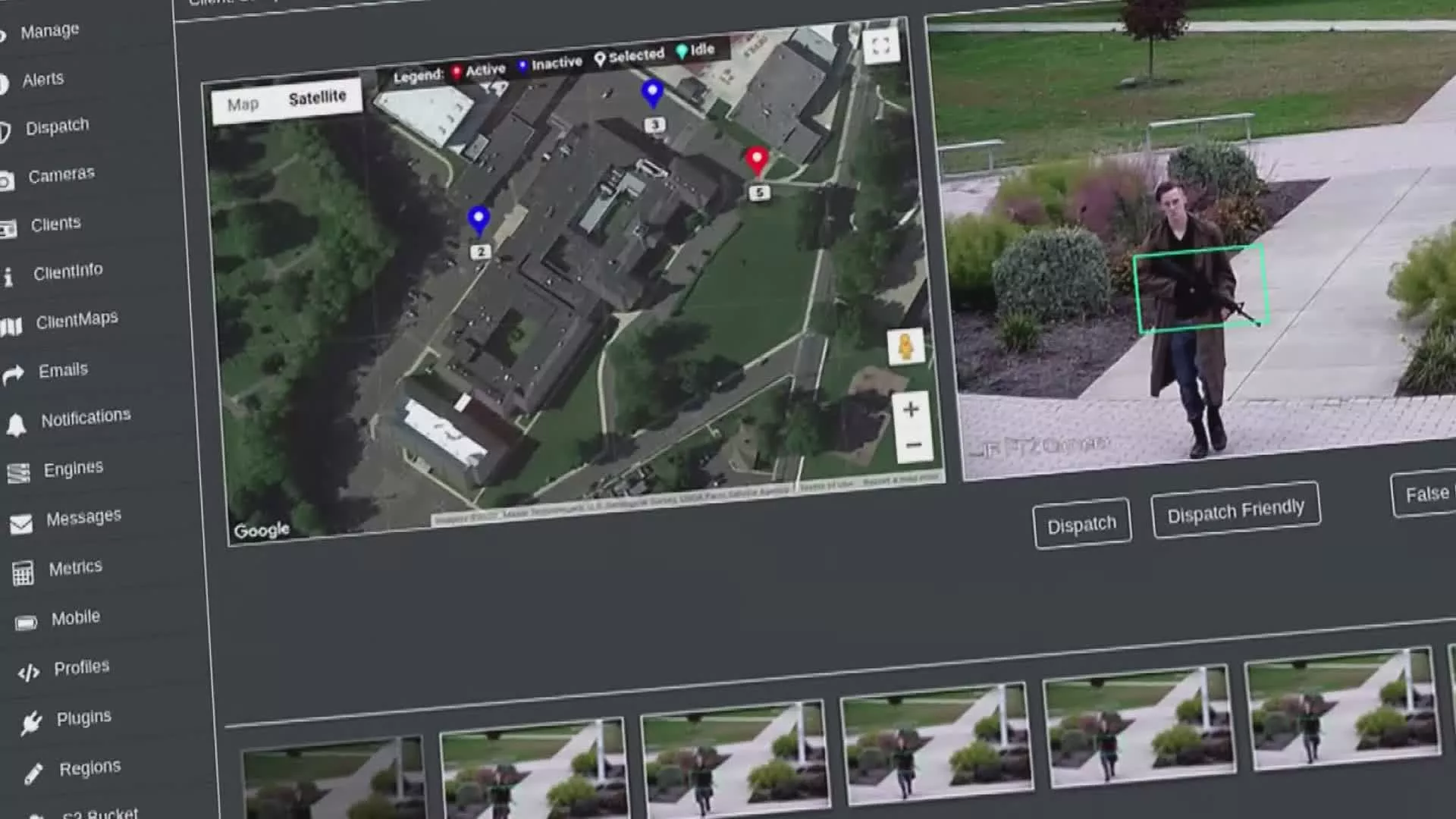
ZeroEyes integrates with existing surveillance cameras and employs computer vision algorithms trained on images of more than 100 firearm types. When its AI model believes it has detected a weapon, footage is transmitted to human analysts at ZeroEyes' monitoring center, who confirm the alert before notifying law enforcement or schools. In this instance, that extra human layer apparently failed.

The company's platform is active in 43 states and is installed across dozens of Florida school districts. ZeroEyes markets its technology as a preventive measure allowing faster response to possible shootings, but it has released little public data about detection accuracy, false-positive rates, or verified interventions.
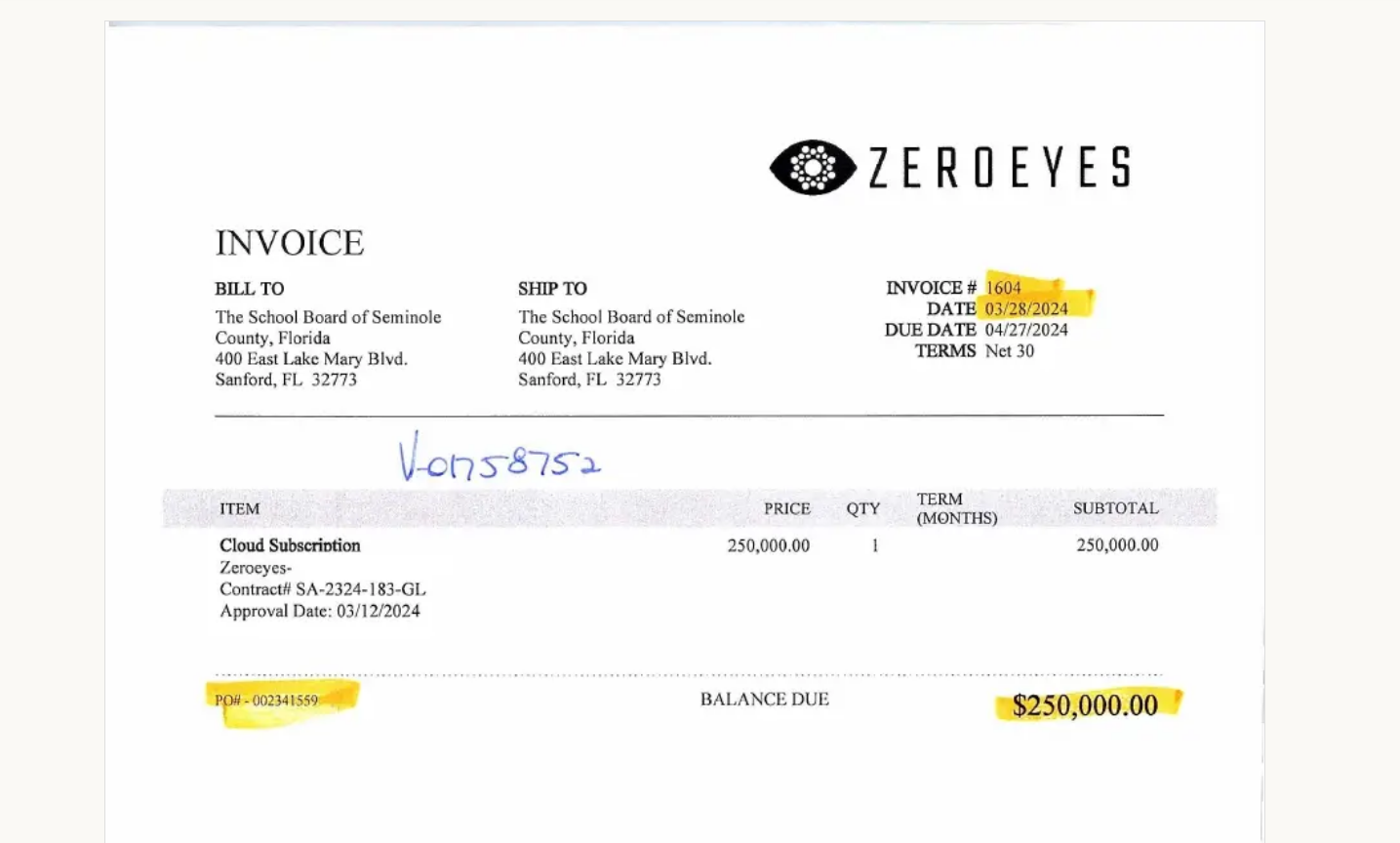
Seminole County's safety and security division, responding to reporters' emailed questions about the AI, described it as an effective deterrent but gave no figures on confirmed threats, leaving unanswered how many alerts have proven legitimate or how frequently the software misidentifies harmless objects as weapons.

Parents and security experts have begun calling for greater accountability and access to performance data. One parent expressed frustration over the lack of transparency, questioning whether the system has delivered meaningful results. She wanted statistical evidence of the system's effectiveness and asked why, if any, confirmed threats were not publicly reported.

Independent technology analysts note that few independent evaluations of ZeroEyes exist, and early coverage has been mixed. Reports have cited skepticism from some public safety specialists who argue such systems may offer an illusion of security rather than measurable reductions in risk.

In several states where ZeroEyes has registered lobbyists, lawmakers have passed procurement measures that effectively lock in the company as the only approved vendor. Critics say those laws crowd out competitors and short-circuit public debate on the reliability of AI-based monitoring.
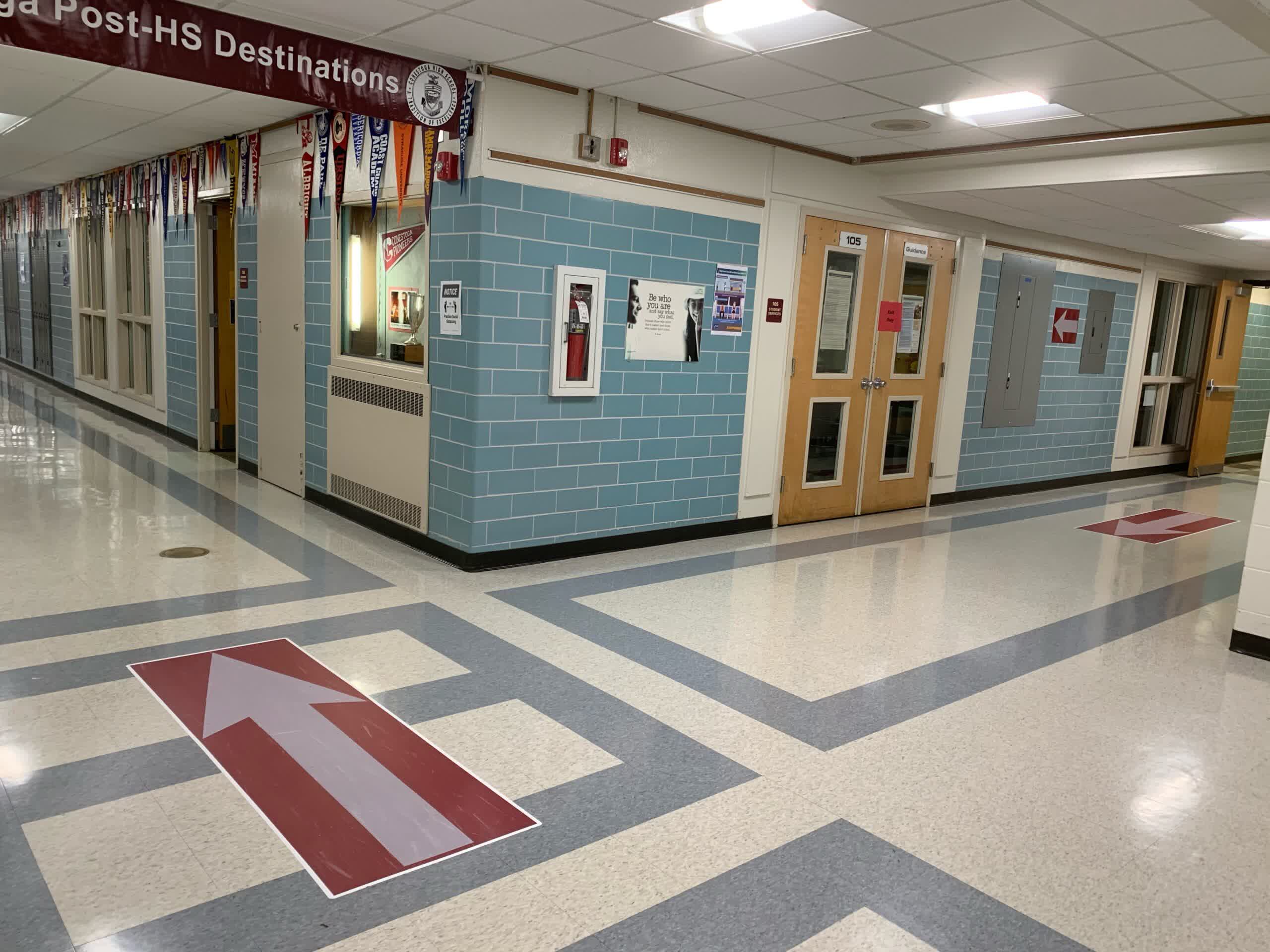
Security and privacy researchers have raised concerns that expanding AI surveillance in schools could harm students more than it helps. Chad Marlow, a senior policy counsel at the American Civil Liberties Union, told StateScop last year that systems that generate frequent false alarms may create "false senses of security" and expose children to unnecessary lockdowns or policing.

While AI-enabled security systems have proliferated in response to public pressure over school shootings, the Oviedo misfire illustrates their vulnerabilities under real-world conditions. Machine learning models trained to detect threats in controlled datasets can falter when faced with unpredictable school environments, where backpacks, instruments, and sports equipment can resemble firearm silhouettes.

For now, the Seminole County School District describes the system as an essential precaution, even as the clarinet incident demonstrates its fallibility. Whether districts will reconsider their reliance on AI surveillance – or demand stricter performance reporting from vendors – remains uncertain.

Permalink to story:

 
Everyone is quick to point out when AI gets it wrong… but it doesn’t happen that often… and the tech is in its infancy… in a decade, it doesn’t make this mistake - heck, next month it probably doesn’t…

 
This was machine learning with lazy supervision by humans, in summary. People are still important, but they can't be looking their phones when doing their jobs.
 
Everyone is quick to point out when AI gets it wrong… but it doesn’t happen that often… and the tech is in its infancy… in a decade, it doesn’t make this mistake - heck, next month it probably doesn’t…
Uh, no. There does not appear to be any data to support that claim.

A single clarinet shut down an entire middle school, despite a paid AI system and a human review layer. That’s not people nitpicking rare errors—that’s a high-impact failure with real consequences. If these mistakes were disappearing or minimal, vendors wouldn’t still be unable or unwilling to publish basic metrics, like false-positive rates, accuracy data, or a confirmed, verifiably-prevented incident.

Other than sanitized marketing fluff, there does not appear to be any specific, standardized, independently verifiable data needed to support claims that these errors are indeed rare or even rapidly disappearing at all.
 
Uh, no. There does not appear to be any data to support that claim.

A single clarinet shut down an entire middle school, despite a paid AI system and a human review layer. That’s not people nitpicking rare errors—that’s a high-impact failure with real consequences. If these mistakes were disappearing or minimal, vendors wouldn’t still be unable or unwilling to publish basic metrics, like false-positive rates, accuracy data, or a confirmed, verifiably-prevented incident.

Other than sanitized marketing fluff, there does not appear to be any specific, standardized, independently verifiable data needed to support claims that these errors are indeed rare or even rapidly disappearing at all.
Really? You think AI is getting worse at doing stuff?

OK... read a couple of research papers maybe?


Have you ever seen the Yamaha YDS-120 Digital Saxophone? It looks like an AR upper!
Yeah...this is one of those situations where the AI false positive is just an extension of the human false positive. I can't say I would do better, to be honest. I had to look up what a YDS-120 looks like and it bears a shocking resemblance to an automatic rifle, so I wonder how many times digital saxophone players have been misidentified as school shooters.
 
Everyone is quick to point out when AI gets it wrong… but it doesn’t happen that often… and the tech is in its infancy… in a decade, it doesn’t make this mistake - heck, next month it probably doesn’t…
AI literally can't work at McDonald's. It was charging people $54,000 for water. Let's also talk about the size of the mistake because one mistake that costs more than someone's salary kinda destroys any savings.
 
AI literally can't work at McDonald's. It was charging people $54,000 for water. Let's also talk about the size of the mistake because one mistake that costs more than someone's salary kinda destroys any savings.
Again - it’s in its infancy… in a few years, it will be much better… probably better than any human…

This is how all tech works…. Your computer from the late 80s can’t do a fraction of the stuff your PC can do now… a Model T Ford from the early 20th century can’t hold a candle to a modern Toyota…
 
Just another case and point as to why AI shouldn't be making these types of decisions without human supervision. Because even with it, errors are still happening.

Just look at Youtube recently, such stupid bans are happening because id!ots at the top wanted to save a buck and not have (competent) humans review important decisions that their AI are doing.

Edit: Clarification.
 
Last edited:
Everyone is quick to point out when AI gets it wrong… but it doesn’t happen that often… and the tech is in its infancy… in a decade, it doesn’t make this mistake - heck, next month it probably doesn’t…

Really it gets it correct? I have asked AI about several things mostly do to the Constitution!

It does not know the Constitution! One law is applied of the person is Democrats or Republicans!

AI hypocrite is the problem! I can ask a question one way and ask another yet get opposite results or answers!

 
Just another case and point as to why AI shouldn't be making these types of decisions without human supervision.

Just look at Youtube recently, such stupid bans are happening because id!ots at the top wanted to save a buck and not have (competent) humans review important decisions that their AI are doing.
A human WAS supervising... problem is, humans tend to suck at their jobs... at least AI will get better with time - humans will remain dumb...
 
So, ZeroEyes can incorrectly identify a clarinet as a gun. What does it do when a someone brings a gun to school in an instrument case?
 
A human WAS supervising... problem is, humans tend to suck at their jobs... at least AI will get better with time - humans will remain dumb...
Yeah. I see my point is a bit ambiguous, but it was "and people want AI to control stuff without human supervision?" with examples like this where even with human supervision errors still happen.
 
Yeah. I see my point is a bit ambiguous, but it was "and people want AI to control stuff without human supervision?" with examples like this where even with human supervision errors still happen.
You say “still” like it’s been a long time…

In a few years, the human supervisor will be even worse - and the AI will be far better… I know we read Sci/Fi and fear Skynet… but in reality, a human supervising a machine won’t be very useful.

Do you manually go over every calculation your computer excel sheet makes?
 
You say “still” like it’s been a long time…

In a few years, the human supervisor will be even worse - and the AI will be far better… I know we read Sci/Fi and fear Skynet… but in reality, a human supervising a machine won’t be very useful.

Do you manually go over every calculation your computer excel sheet makes?
You're comparing organic data processing with something as simple as calculations? Lol, that's a silly false equivalence. I can use the same calculations and get the same answer with the same input 100% of the time in excel. Asking AI to do something isn't anywhere close to 100%, and won't be for a long while.

But part of my point is that unless we can hold AI accountable, there should always be a human responsible for it making important decisions.

Ps. what we're seeing isn't actually AI, they're just fancy prediction algorithms marketed as something they're literally not. And until they make a quantum leap in computing, they won't be able to be "intelligent" enough to do more than hyperfocused tasks well and consistently.
 
You're comparing organic data processing with something as simple as calculations? Lol, that's a silly false equivalence. I can use the same calculations and get the same answer with the same input 100% of the time in excel. Asking AI to do something isn't anywhere close to 100%, and won't be for a long while.

But part of my point is that unless we can hold AI accountable, there should always be a human responsible for it making important decisions.

Ps. what we're seeing isn't actually AI, they're just fancy prediction algorithms marketed as something they're literally not. And until they make a quantum leap in computing, they won't be able to be "intelligent" enough to do more than hyperfocused tasks well and consistently.
No, it isn’t the same as Excel… but recognizing stuff will soon become just about as accurate - no human is close to 100% either… and as the years go by, the human you hire to oversee a machine will simply be “because skynet”, and won’t actually serve any real purpose.

The person hired to “supervise” the AI has no expectation of being needed (and that expectation will lessen every day), so, if they actually ARE needed, will probably be completely useless (as the person was in this instance).

Kind of like driving… in a few decades (tech still needs a lot of work), having a human at the wheel “supervising” autopilot will be useless… the human won’t be as good of a driver as the machine, won’t be expecting to intervene, so if they actually HAVE to intervene, would be more likely to crash than the machine anyways….
 
So what if a kid brought a water pistol into school. would AI turrets mow him down? prolly.
 
Back