First look: Dopamine 3.0 has brought jailbreak support to iOS 26.0 and iOS 26.0.1 on devices powered by A12 and A13 chips, marking the first jailbreak release for Apple's newest mobile operating system. Released by Lars Fröder, known online as opa334, the update arrives 326 days after iOS 26 debuted. The rootless, open-source tool also supports older Apple hardware and a broader range of iOS versions. Its release shows that jailbreak development continues even as Apple maintains tight control over its mobile software.
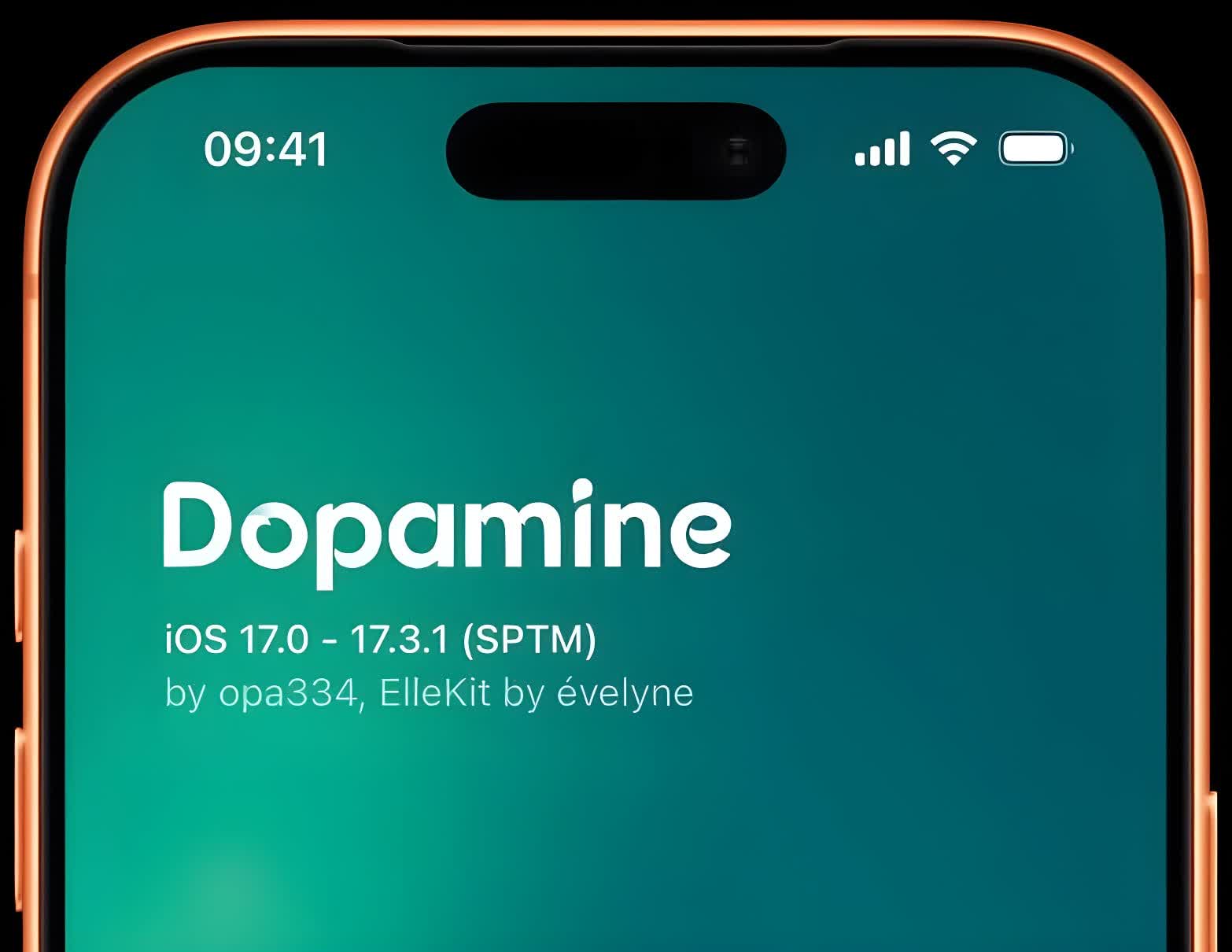
The release also adds compatibility with devices running iOS 16.5.1 through iOS 17.3.1. That widens the range of iPhones, iPads, and Apple silicon devices that can run Dopamine, particularly older firmware versions that were not previously covered.
Dopamine works on both arm64 and arm64e hardware. Its arm64 version covers devices with A8 through A11 chips, while the arm64e version supports A12 through A17 chips, along with Apple's M1 and M2 processors.
Compatibility varies by device generation and software version. On A14 through A17 hardware and M1- and M2-based devices, Dopamine works with iOS 15.0 through iOS 17.3.1. Devices with A8 through A13 chips are supported on iOS 15.0 through iOS 18.7.1, as well as iOS 26.0 and 26.0.1.
The iOS 26 addition is limited to A12 and A13 devices. However, the broader update is notable for filling in compatibility gaps across the iOS 16.5.1-to-17.3.1 range, giving users more options if they have held onto an older iOS build.
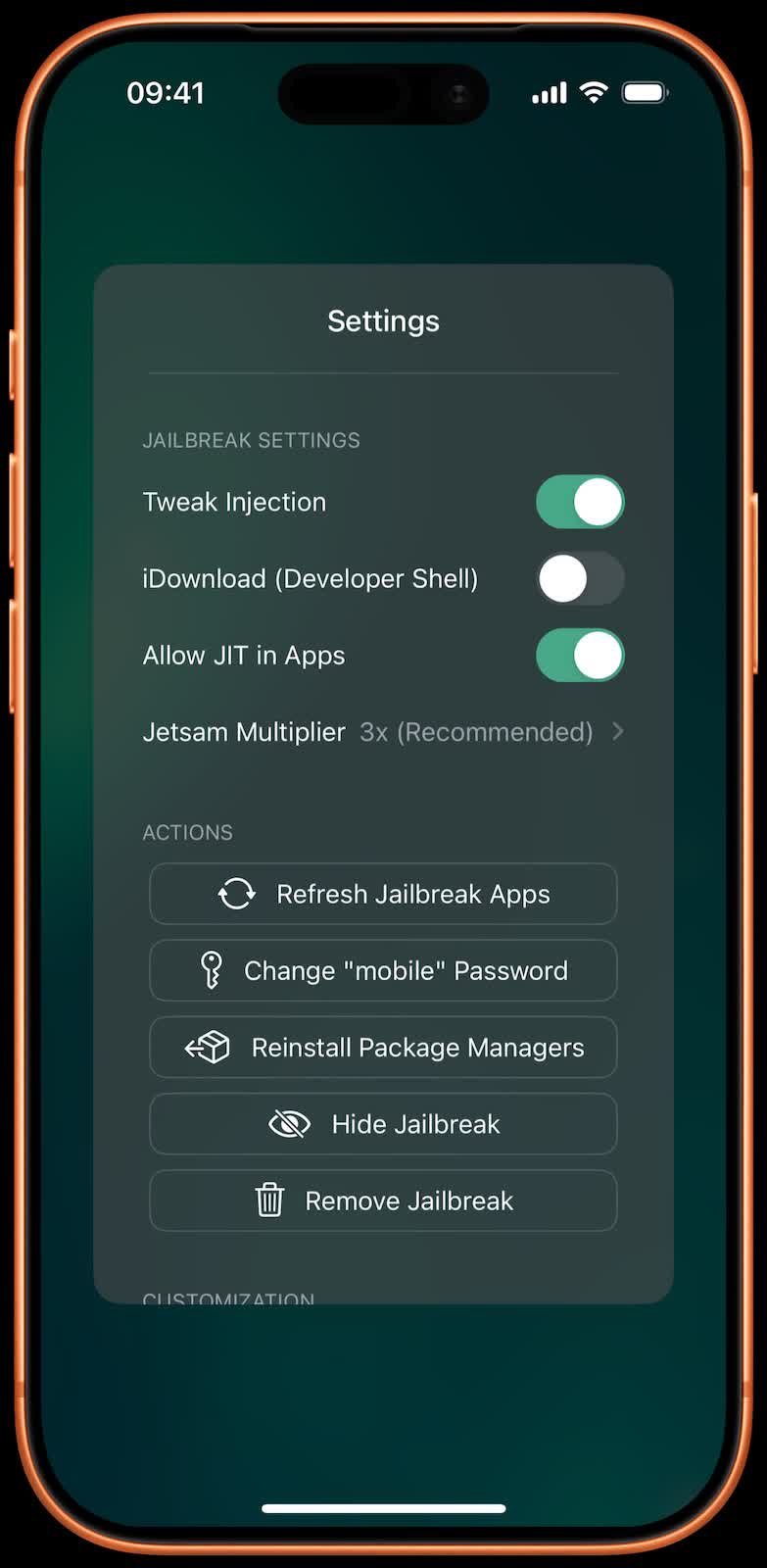
Dopamine is a rootless jailbreak, meaning it does not alter the operating system's root file system. Instead, jailbreak files and tweaks are kept in a separate location. This approach affects how packages are installed and how developers build compatible modifications.
The jailbreak works with the Sileo and Zebra package managers, which users can use to install and manage tweaks. Dopamine is also open source, allowing developers to review its code and track changes through opa334's GitHub repository.
With version 3.0, Dopamine covers a wide range of Apple hardware, from A8-based devices to A17 models, although the supported iOS versions vary across those chip families. A full list of compatible devices and firmware versions is available through AppleDB.
A jailbreak for iOS 26 is finally here, 326 days after launch


