The big picture: The embrace of new technology is reshaping the battlefield much as the arrival of tanks and airplanes did during World War I. Robotics, artificial intelligence, and computer vision – with their mass-producible and affordable characteristics – are being rapidly militarized. As governments, start-ups, and legacy contractors navigate these turbulent waters, the future of military technology remains both promising and uncertain.
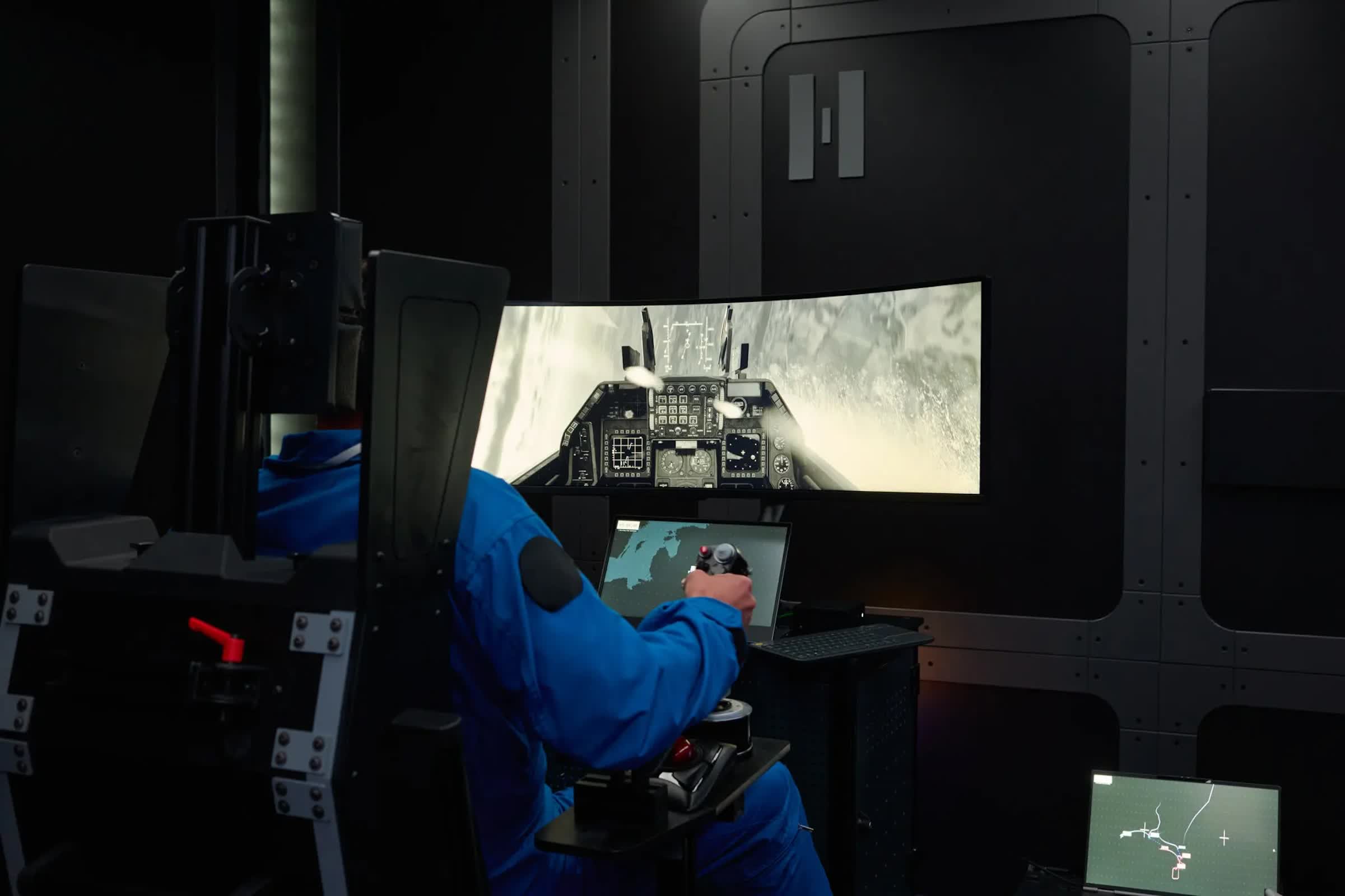
Governments worldwide are committing trillions of dollars to retool their militaries for a rapidly evolving era defined by high-tech threats and new modes of warfare. Nowhere is this transformation more evident than in Europe, where the war in Ukraine has become a testing ground for fresh approaches – and where defense start-ups, backed by private investment, are upending old procurement models.
In recent years, entrepreneurial energy has shifted from waiting for government contracts to proactively developing prototypes and systems funded by venture capital. What once was a slow, top-down process now resembles a race, driven by the urgency of conflict and technological change.
"It's a pretty big revolution in the defense industry," Gundbert Scherf, a former adviser to the German defense ministry and co-founder of Helsing, told The New York Times. Scherf helped launch Helsing in 2021 using seed capital supplied by Daniel Ek, chief executive of Spotify, among other investors. "It's a totally different business model," he added.
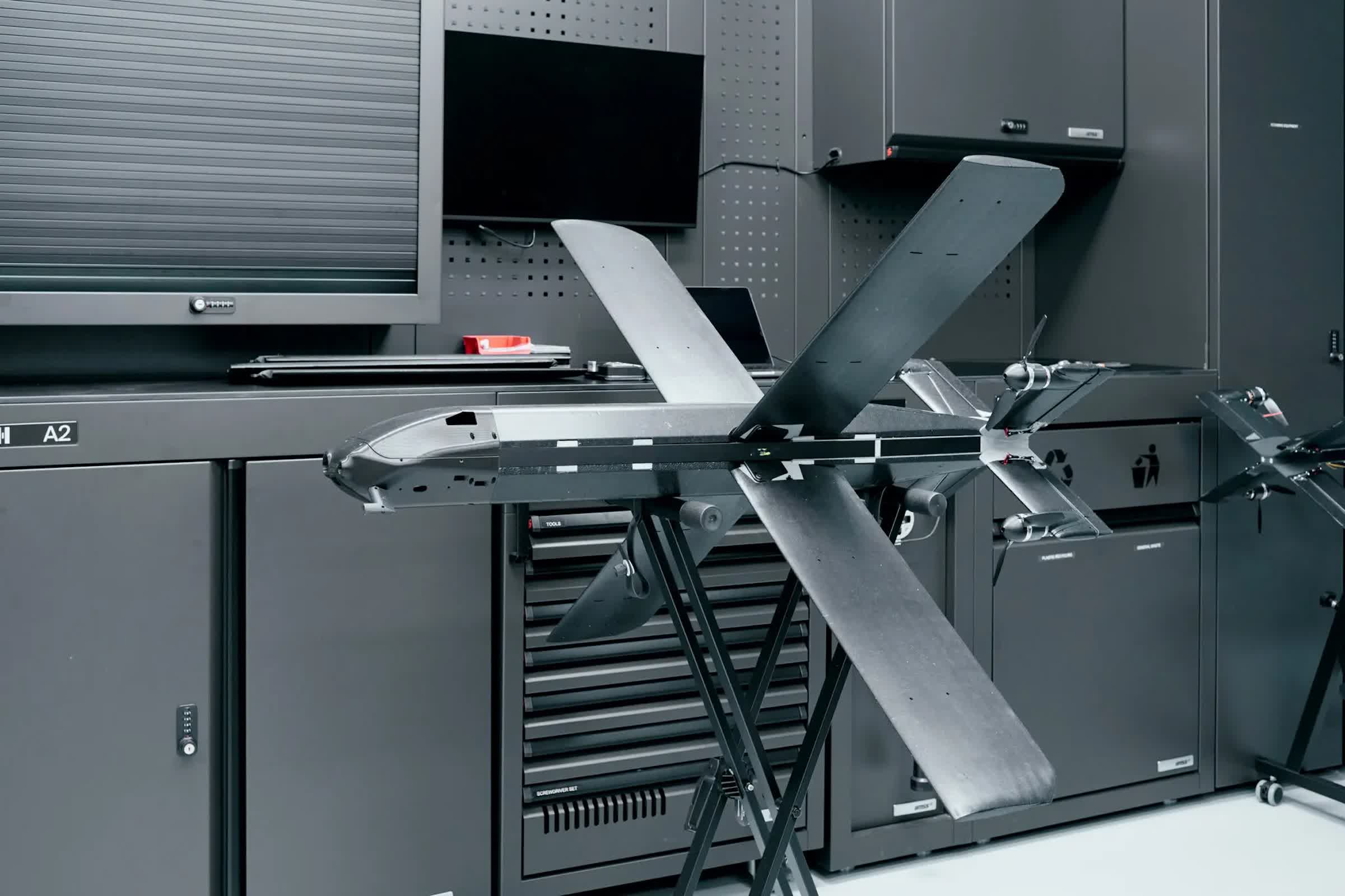
Helsing is developing AI-driven defense systems, drones, and mini-submarines
Helsing, headquartered in Munich, now arms Ukraine with drones that are upgraded every few weeks in response to shifts on the battlefield. The firm was recently valued at $14 billion, placing it among Europe's most valuable technology start-ups.
This ground-up, competitive approach promises to push the boundaries of what modern militaries can achieve. The landscape includes low-cost missile and drone interceptors; artificial intelligence-piloting fighter jets and naval ships; and devices such as cockroaches fitted with remote-controlled backpacks and cameras for gathering reconnaissance in inaccessible areas.
Helsing's Centaur artificial intelligence platform was used in a May test to pilot a Saab Gripen E fighter jet, temporarily taking control during a flight over the Baltic Sea. This represents a significant advance in autonomous military systems, where components made from basic materials like plywood and foam can now carry lethal payloads capable of destroying multi-million-dollar tanks.
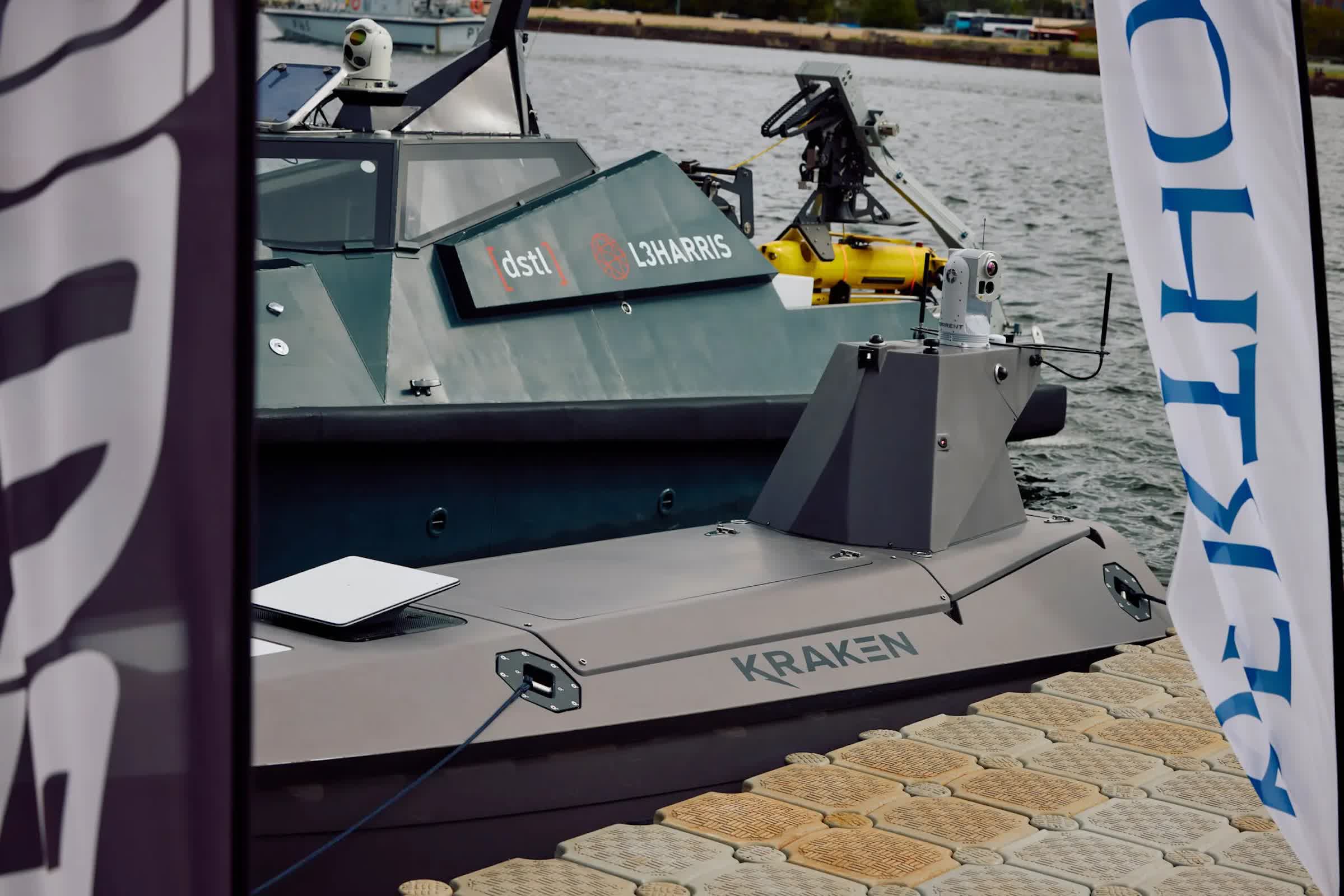
Kraken's K3 Scouts can be used right out of the box
Ukraine's drone industry has become a case study in these developments. About 80 percent of battlefield targets there are destroyed by drones, according to recent assessments. "You can have a couple million bucks of venture capital money that can fund the development of these smaller technologies," said Eric Slesinger, a former CIA officer who founded a defense venture firm.
Large, legacy contractors often require years or even decades to bring new systems to market. In contrast, start-ups pursue rapid, independent development cycles. "We're building a ship with our own dollars," said Dino Mavrookas, a former Navy SEAL and co-founder of Saronic Technologies.
Saronic recently acquired a shipyard in Franklin, Louisiana, where its 150-foot unmanned vessel Marauder is set for launch in December. During President Trump's state visit to London, Britain's government announced that Saronic would spend up to $50 million establishing a production site in Portsmouth.
Meanwhile, Cambridge Aerospace – a British missile and drone-interceptor start-up led by former Marine Chris Sylvan – tested its prototype earlier this year and is now preparing for production. At a London military tradeshow, spectators observed autonomous boats manufactured by Kraken Technology, founded by Mal Crease in 2020 after the pandemic shuttered his powerboat racing business.
Supported by an Atlantic alliance innovation grant, Kraken joined forces with German shipbuilder NVL Group to accelerate manufacturing. "We built a prototype in 10 weeks," Crease said. The company's plug-and-play K3 Scout ships, which measure up to 60 feet, cost $250,000 each and can be quickly reconfigured for a range of missions.
Artificial intelligence is at the heart of much of this innovation. Helsing's acquisition of aircraft manufacturer Grob has allowed it to expand into hardware such as mini-submarines and strike drones, in addition to advanced software for electronic warfare and autonomous coordination. Production of the CA-1 Europa, Helsing's 36-foot unmanned fighter jet, will be carried out at Grob's facility near Munich. The jet is expected to enter operations within four years.
At Helsing's Munich training center, engineers have demonstrated Centaur's capabilities through repeated simulations against seasoned fighter pilots. The AI system, capable of processing ten decisions per second and optimizing fuel usage, has consistently outmaneuvered human opponents in digital dogfights. In one session, Centaur downed two human-piloted jets within minutes.
Despite the influx of capital, barriers remain. Industry veterans caution that technical prowess alone does not guarantee success – navigation of government procurement is a major obstacle, and many investors entering the sector underestimate the timeline required for defense returns. "Selling to the government is hard," Sylvan of Cambridge Aerospace stated. "But it should be hard. That's our taxpayer dollars, pounds and euros."
Image credit: The New York Times
AI fighter jets, drone swarms, and $250K warships: the new defense economy


