
In context: The FAA has long suffered from a shortage of air traffic controllers, and many air traffic control systems are badly outdated, making the sector an obvious target for AI-powered automation. Although no one currently believes AI can replace air traffic controllers, the technology could help different airlines and the FAA pool data to increase efficiency.
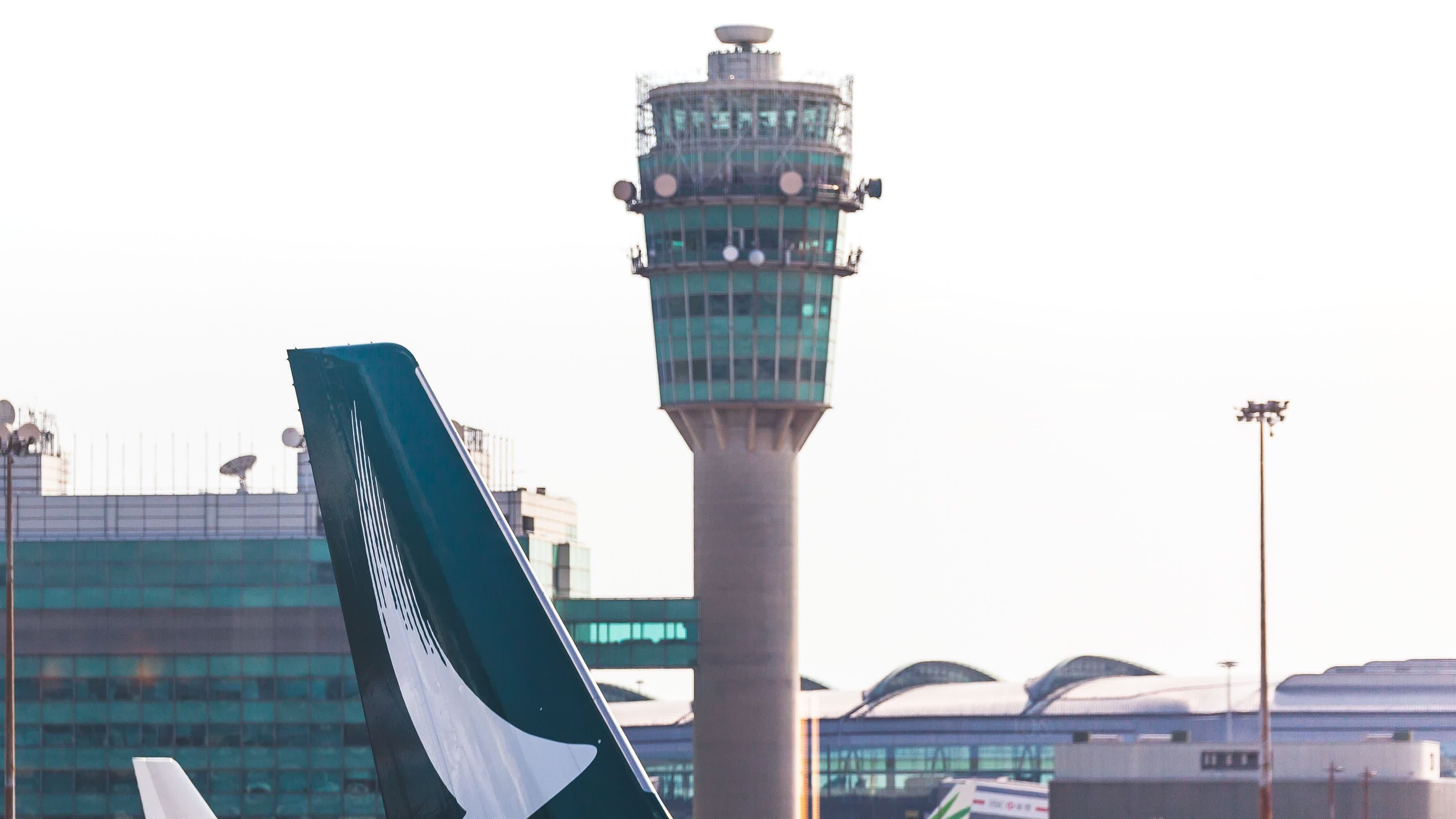
Federal aviation officials aim to launch a new AI-based air traffic control tool next week in Washington, DC, one of the US's busiest air travel corridors. The debut marks the beginning of a gradual nationwide rollout.
Strategic Management of Airspace, Routes and Trajectories (SMART) is a cloud-based system that analyzes schedules, weather patterns, airport capacity, and other operational factors to predict traffic flow and potential conflicts. While airlines, air traffic controllers, and the FAA currently often operate on different data sources and schedules, SMART aims to provide them with a shared intelligence stream.
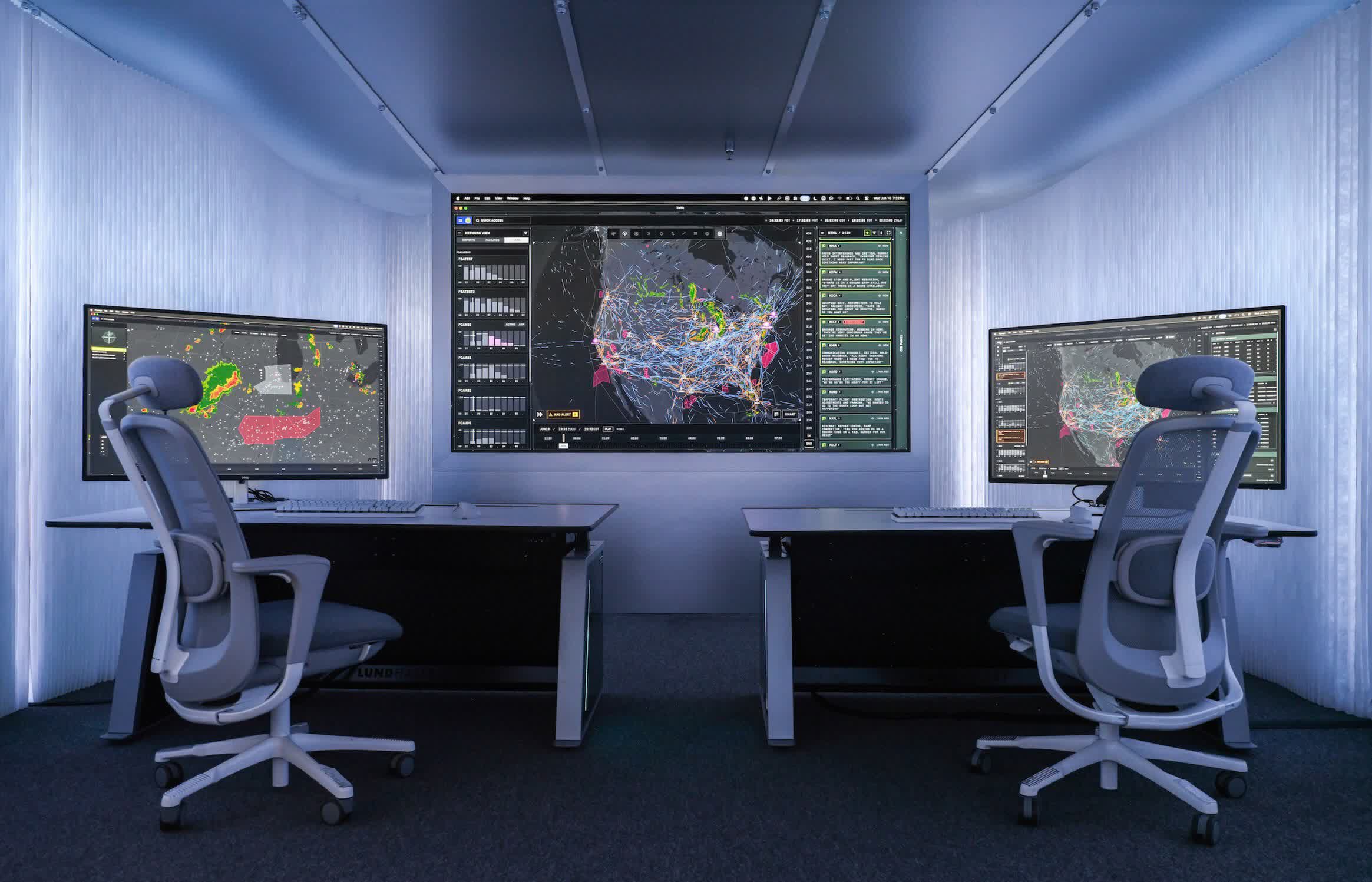
Air Space Intelligence, the AI firm that developed SMART after receiving a $875 million grant from the FAA, hopes it will reduce fuel use, speed recovery following bad weather and congestion, raise situational awareness, and create space for new air traffic. Along with another system called Flow Management Data & Services, ASI aims to roll out SMART over the next one to two years. The initiative is part of the Trump administration's plan to update US air traffic control, which has struggled with staffing shortages and outdated technology for years.
A 2023 FAA risk assessment found that 37% of systems were unsustainable and 39% were potentially unsustainable. While plans to update some systems could take a decade or more, others – some over three decades old – were not scheduled to be modernized. ASI is promoting SMART as a faster way to update some of the FAA's tools.
AI proponents also often cite the technology as a path to reducing the workloads of overburdened employees (though many claim it does the opposite), and air traffic controllers could be among those who benefit. While the FAA hopes to eventually employ 12,563 controllers (down from a prior target of 14,633), it currently employs only around 11,000. The shortage has contributed to flight delays and made one of the world's most stressful jobs even more taxing. The FAA has even resorted to video games to boost recruitment, but the job's mental requirements are steep.
Air traffic control assisted by AI could arrive as soon as next week


