Highly anticipated: In a move that will surely be appreciated by millions of smartphone users around the world, Google has updated Android's Quick Share file transfer protocol to work with Apple's AirDrop. The Pixel 10 family is the first to support the new feature, but Google plans to expand it to other Android devices in the future.
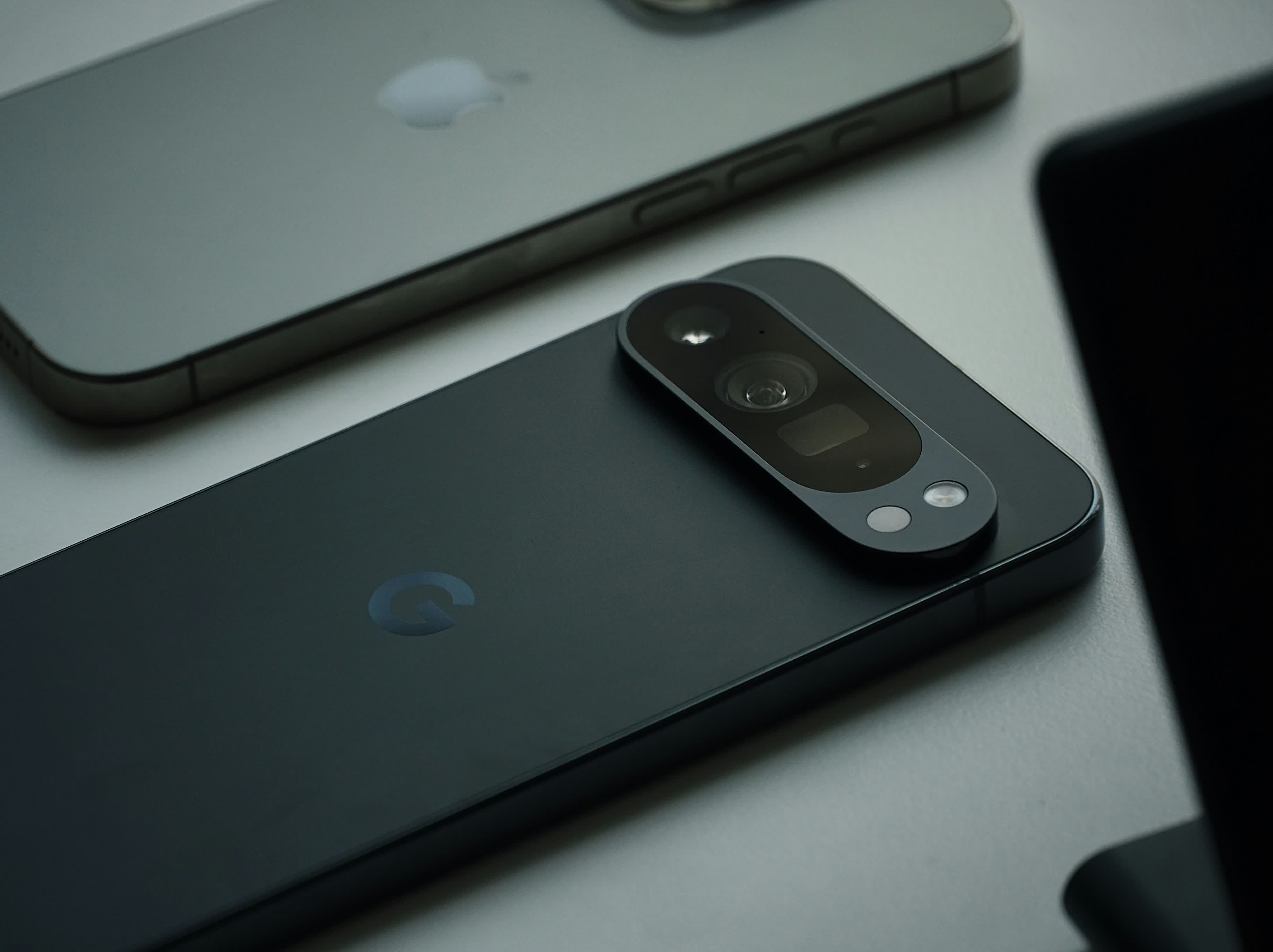
The interoperability will enable both iPhone and Android users to quickly and securely share photos, videos, music, and documents between the two platforms without using third-party apps like SHAREit, Send Anywhere, and InShare.
To enable cross-platform transfer, Pixel users will have to select the target file and choose Quick Share in the sharing menu, while iPhone users will have to select AirDrop's "Everyone for 10 Minutes" mode instead of the default "Contacts Only" to make the device discoverable to nearby Android handsets.
iPhone users will also be able to transfer files to compatible Android devices by simply selecting the relevant option in their AirDrop menu and treating it as any other AirDrop.
Sharing moments shouldn't depend on the phone you have. Starting today with the Pixel 10 family, Quick Share now works with AirDrop, making secure file transfers between Android phones and iPhones more seamless. This builds on our commitment to cross-OS compatibility to bridge… pic.twitter.com/iNdZfjCYQ7
– Android (@Android) November 20, 2025
The new feature supports the latest security protocols, protecting user data with the strongest safeguards that have been independently tested and verified by third-party cybersecurity experts from penetration testing firm NetSPI. The researchers reportedly found the interoperability feature "notably stronger" and more secure than other implementations.
To ensure the highest security standards, Google says it employed several cybersecurity best practices, including threat modeling, rigorous privacy reviews, and in-house penetration testing to identify and fix vulnerabilities.
The new feature is also protected by multi-layer encryption to create a secure sharing channel developed using the memory-safe Rust programming language, which helps safeguard against buffer overflow attacks and other vulnerabilities.
Google added that the feature implements a direct peer-to-peer connection between the sharing Android and iPhone rather than using an intermediary, making it more secure than some third-party workarounds that use external servers, rendering users susceptible to privacy breaches.
The feature works just like regular Bluetooth, Quick Share, or AirDrop, with the recipient needing to approve each transfer manually before the incoming file(s) can be downloaded on their device. The multi-step process is designed to prevent bad actors from sending malware to steal private data.
A Google spokesperson clarified to The Verge that the implementation was not achieved through a collaboration with Apple, and was instead developed without Cupertino's involvement. He did not respond to questions about how Google expects Apple to react and whether the company could pull the plug on the new feature.
Image credit: Vlad R
AirDrop is finally compatible with Android – no thanks to Apple


