
In brief: Amazon's drone deliveries are restarting in the West Valley Phoenix Metro Area today after the service was suspended following an accident. Two Prime Air delivery drones crashed into a crane in Arizona, resulting in heavy damage and a fire. Nobody was injured, but one man was treated for smoke inhalation from the wreckage.
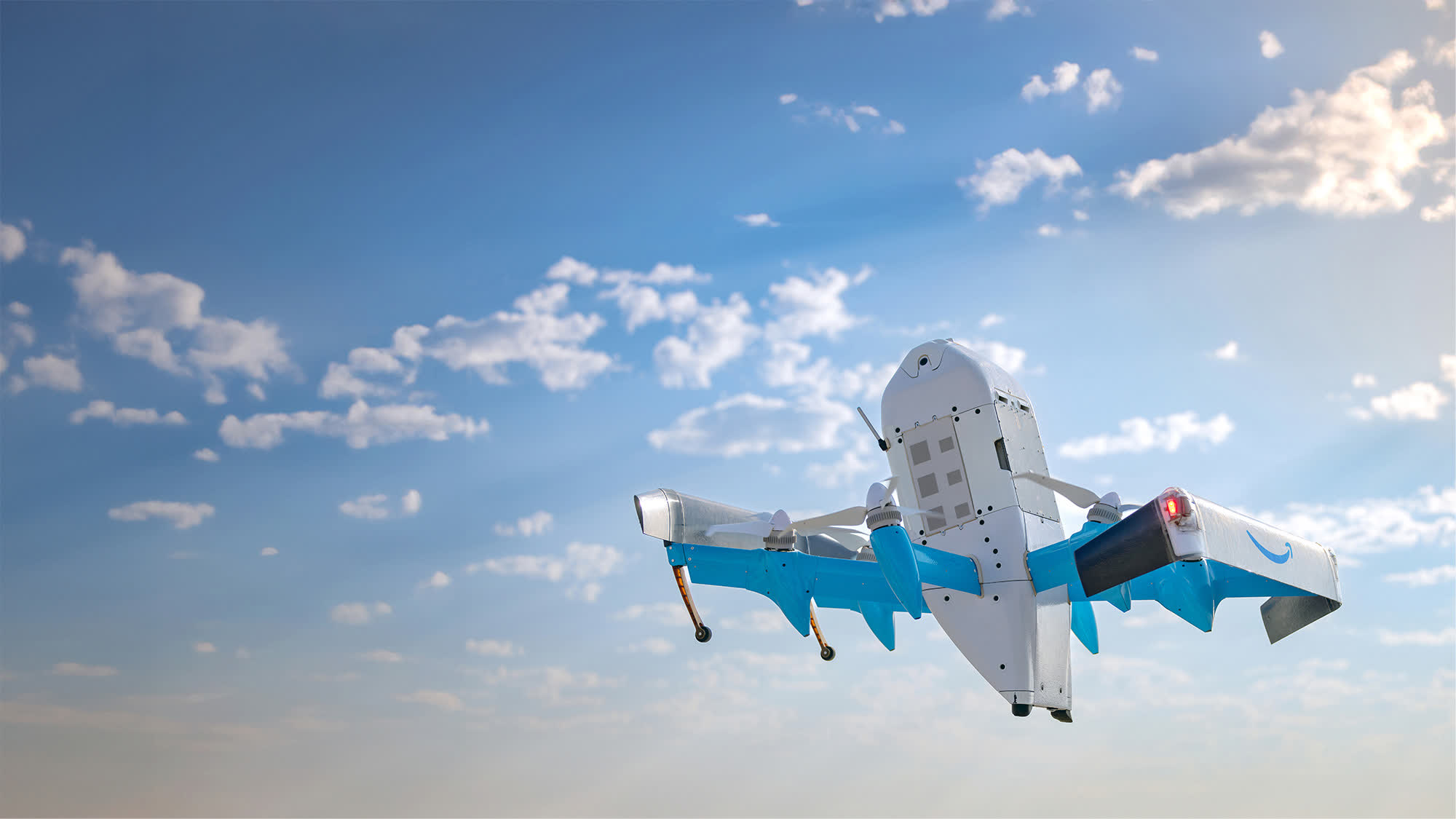
At around 10am local time on Wednesday, two of Amazon Prime Air's MK30 drones crashed into a crane in Tolleson, Arizona, near Phoenix, according to the FAA.
Gabriel Dahlberg, who witnessed one of the crashes from a nearby lot, said the drone clipped the cable of a crane that was being used to lift equipment onto a building.
According to the police investigation, the two drones were flying back-to-back when both hit the crane. They landed on the ground approximately 100 to 200 feet apart in separate parking lots.
There was "substantial" damage to the two 80-pound drones. The FAA said it was investigating the incident. The National Transportation Safety Board is also conducting an investigation and expects the preliminary report to be ready within 30 days.
Amazon decided to suspend all drone deliveries for two days following the crash while it conducted an internal review. Company spokesperson Terrence Clark told CNN that following the conclusion of the investigation, it is confident that there wasn't an issue with the drones or the technology that supports them.
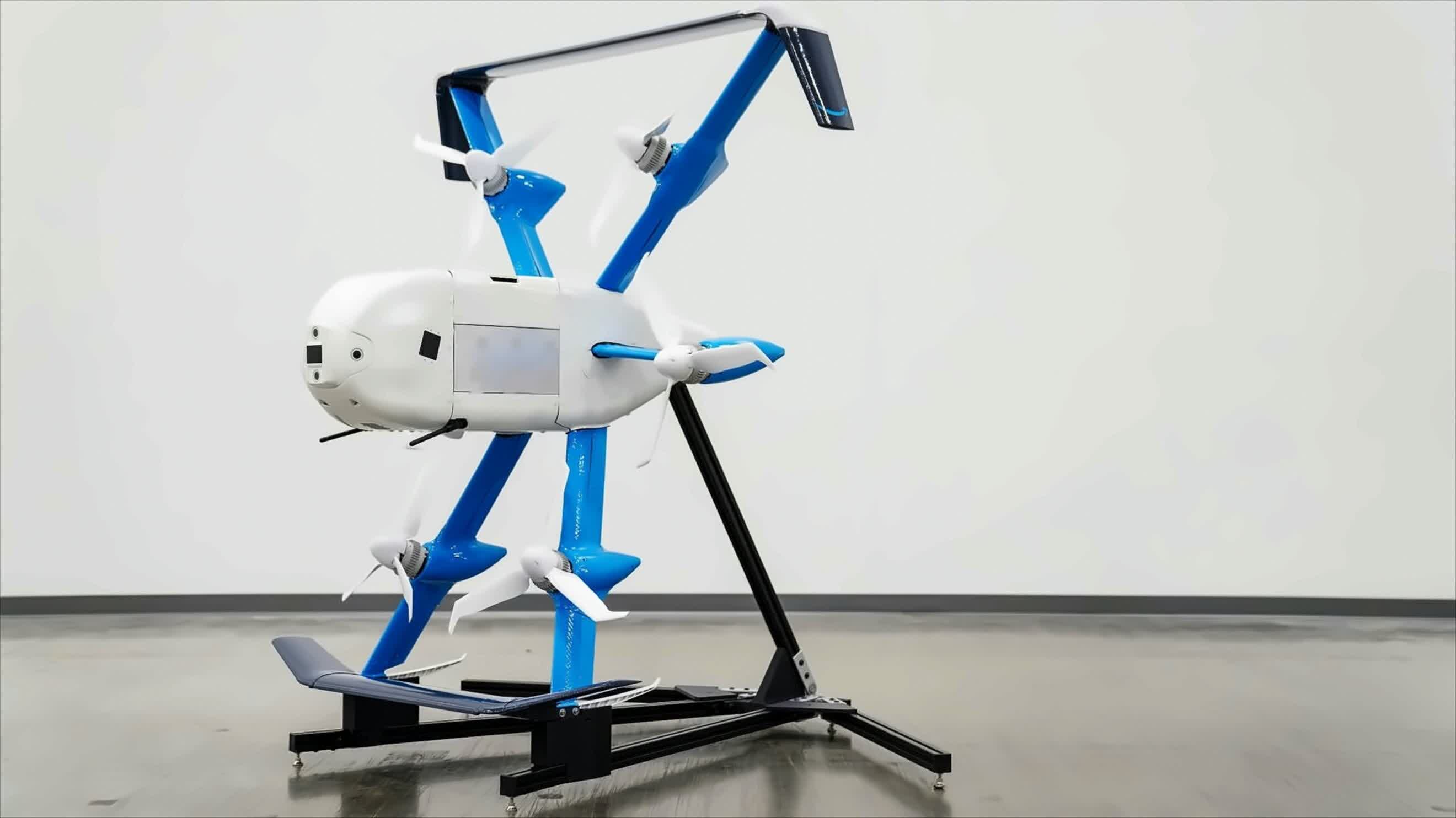
Clark added that despite the drones and their technology not being at fault, Amazon has introduced additional safety measures such as enhanced visual landscape inspections to better monitor for moving obstructions such as cranes.
Amazon started its same-day drone delivery service in Tolleson last November, enabling nearby customers to receive packages weighing less than five pounds in under an hour.
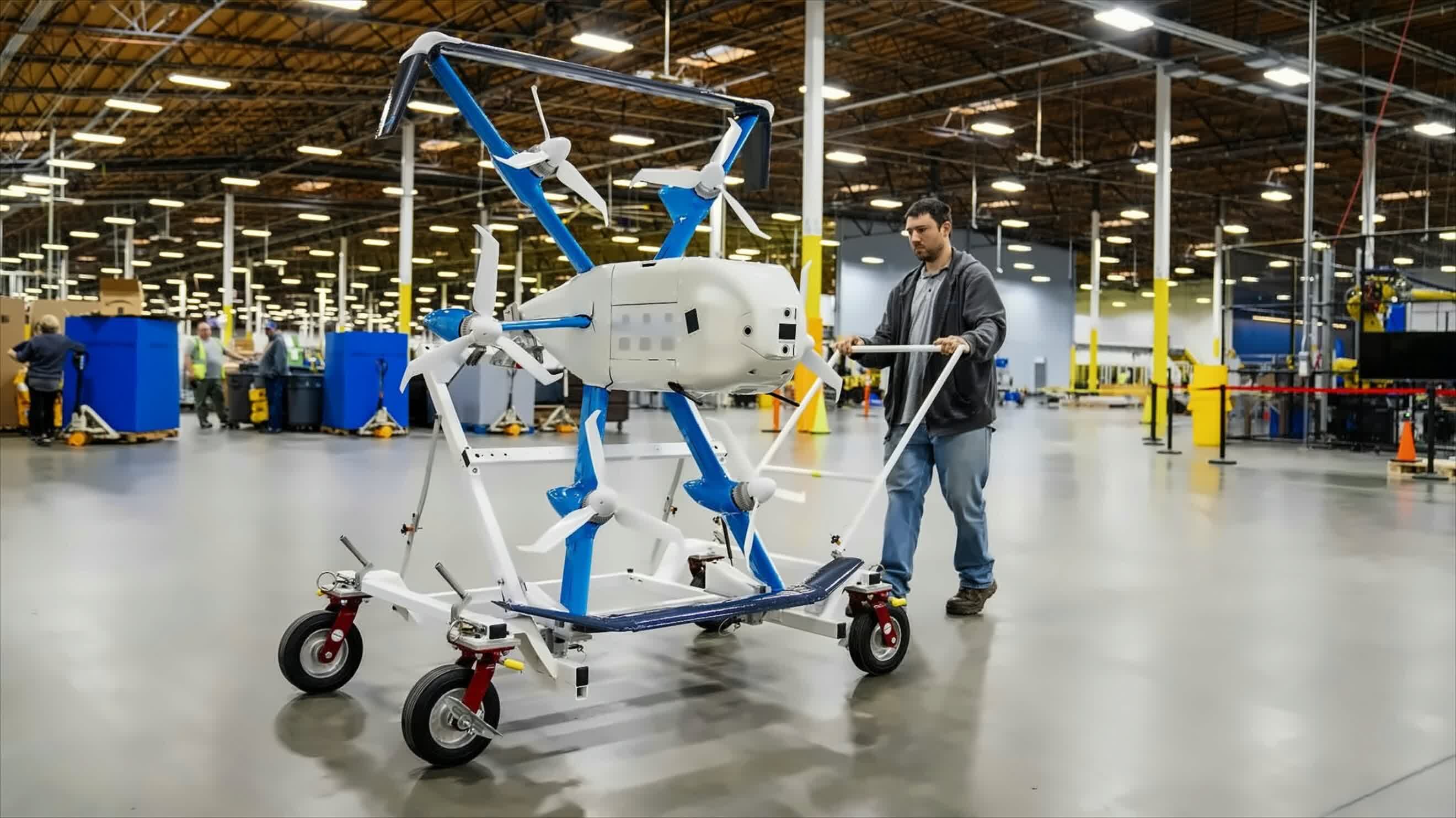
Amazon says its Prime Air engineering team spent nearly two years developing the MK30. The drones use sense and avoid technology that allows them to detect and avoid obstacles including people, pets, and property – it's unclear how two of them managed to hit a crane. Amazon also boasts that the drones have innovative safety-critical features, are quieter than previous models, and can fly twice as far.
Amazon drone deliveries resume in Arizona after two crash into a crane


