Rumor mill: Analysts say Amazon could close long-standing gaps with higher-end competing tablets by using Android and thus delivering broader app support and better hardware, potentially reshaping its standing in a market still dominated by Apple and Samsung. But if history is any guide, such a bold bet risks repeating the stumbles of past hardware experiments.
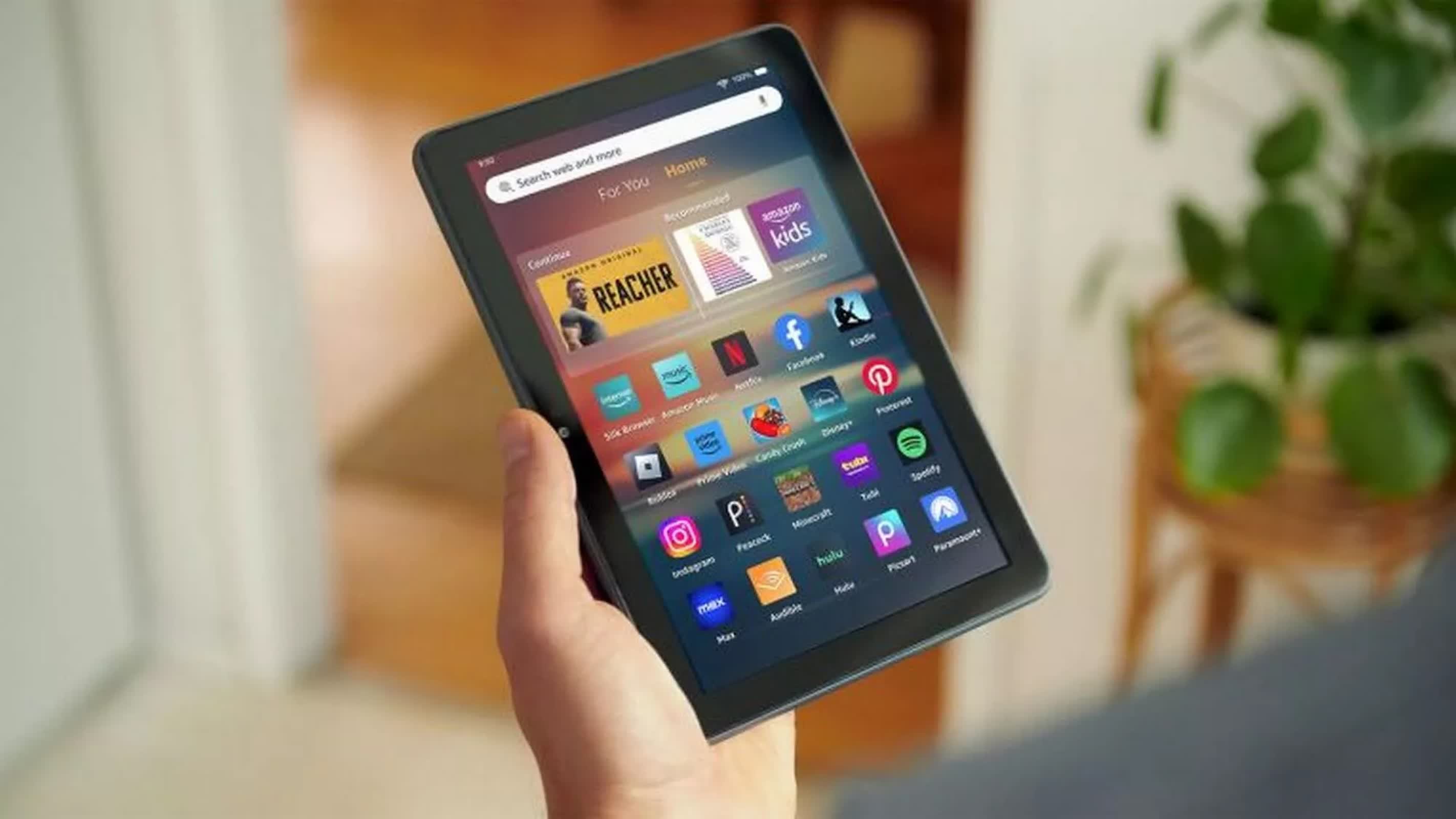
Amazon is preparing a major change to its long-running Fire tablet line, moving away from its proprietary Fire OS (based on Android, but still proprietary) and toward a pure Android OS ecosystem in a project that insiders say could redefine its device strategy.
The initiative, known internally as Kittyhawk, aims to deliver Amazon's first higher-end tablet running Android as early as next year, according to people familiar with the effort. The decision follows years of criticism from customers and developers frustrated by limited app support on Fire devices, which rely on Amazon's custom fork of Android introduced when the line launched in 2011.
For more than a decade, Amazon has sold Fire tablets at or near cost to steer consumers toward its digital marketplace for e-books, videos, and music. The low prices helped the company secure a solid presence in the global tablet market but left buyers with devices that typically lagged rivals in display quality, performance, and app availability.

Amazon held an 8 percent share of the global tablet market in the second quarter of 2025, just behind Lenovo at 8.2 percent, with Apple and Samsung far ahead at 33.1 percent and 18.7 percent, respectively.
"The biggest drawback has always been access to apps and software updates," said Jitesh Ubrani, a researcher at IT advisory firm IDC. "Consumers have consistently voiced frustrations about being limited to Amazon's app store, and developers don't want to maintain separate versions of their apps."
The first Android-based Fire tablet could carry a sticker price around $400, nearly double the $230 benchmark of Amazon's high-end Fire Max 11, according to one source. That would place it closer to Apple's entry-level iPads, which start around $350 and can exceed $1,200 depending on configuration.
While detailed specifications – such as screen size, speaker quality, and memory capacity – have not been finalized, the discussions around Amazon's project say the company intends to target higher-value customers who expect mainstream compatibility with Android apps and services.
Still, the sources cautioned that the Kittyhawk project could face delays or even cancellation due to concerns about costs or other strategic factors.
The move away from Fire OS represents more than a technical shift. Amazon has long preferred to control its software ecosystem to ensure tight integration with its hardware. The Fire Phone, launched in 2014 with similar ambitions, failed to gain traction in part because of its reliance on Amazon's own system and was scrapped at a $170 million loss.
In recent years, the company has taken a more pragmatic approach, adopting third-party technologies when needed. For example, Amazon's investment in AI startup Anthropic brought Claude software into its Alexa+ voice assistant and into an internal chatbot known as Cedric.
Kittyhawk tablets would use an open-source version of Android, allowing Amazon to avoid direct coordination with Google while still enabling access to a much broader range of apps.
At the same time, Amazon is continuing work on lower-cost tablets powered by its Linux-based Vega operating system, which already supports some Fire TV devices. Over the longer term, however, insiders said the Fire family could fully transition to Android.
Amazon is preparing a new Android-based tablet, marking break from Fire OS


