
In a nutshell: Cryptocurrency popularity continues to increase, and that means we're seeing more crypto-related crimes. The FBI has revealed that last year, Americans were tricked out of $333 million via Bitcoin ATM scams – with older victims the prime target.
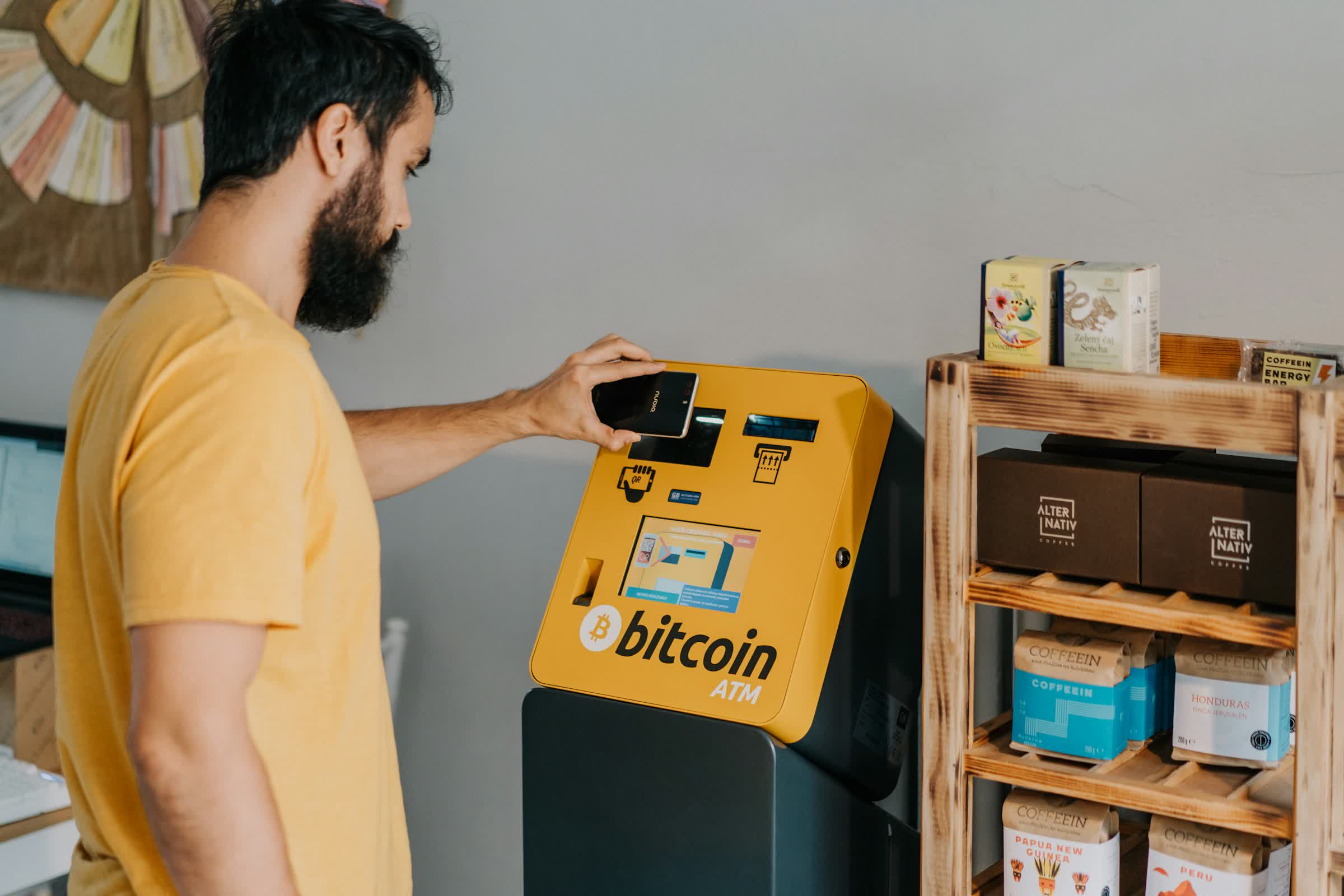
The US now has more than 45,000 Bitcoin ATMs where people can insert cash (or scan a crypto wallet QR code) to buy Bitcoin and have it sent to a wallet. Some machines also let you sell Bitcoin and receive cash in return.
The anonymous nature of cryptocurrency, and the difficulty of recovering it once sent, have long made it attractive to criminals. Bitcoin ATM scams are no different.
These types of scams first passed $100 million in 2023 when people lost a total of $114 million. That rose to around $250 million in 2024. From January through November 2025, that figure was $333.5 million, according to the FBI. The agency warned that this "clear and constant rise" is "not slowing down."
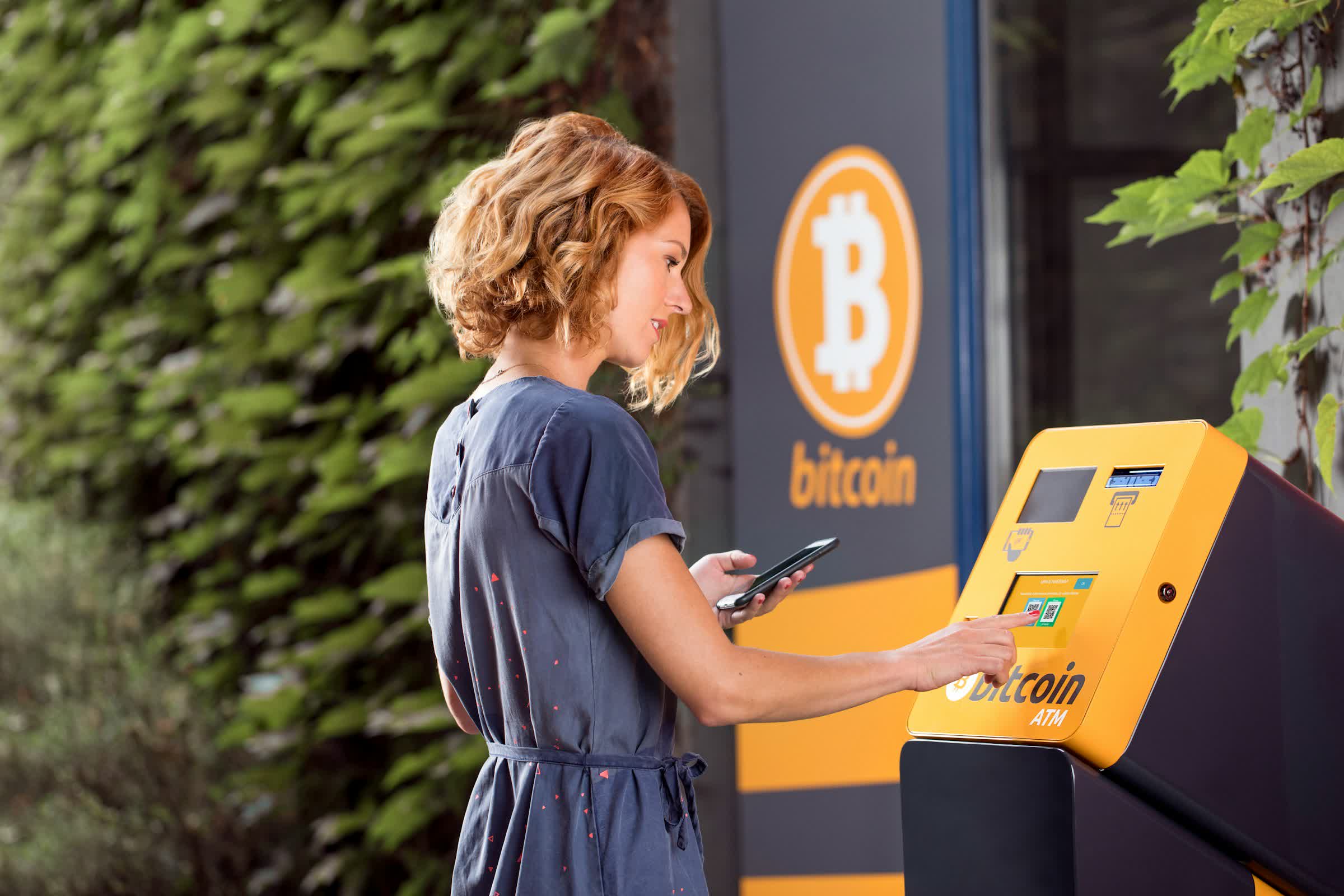
Authorities are pushing back against crypto ATM providers. In September, the Washington, D.C., attorney general's office sued Athena Bitcoin, one of the largest providers in the country, accusing it of "pocketing hundreds of thousands of dollars in undisclosed fees on the backs of scam victims."
The suit also claimed that 93% of the transactions on Athena's devices in the district are the product of outright fraud, and that the median age of victims was 71 years.
Athena told ABC News that it maintains strong safeguards against fraud, including transparent instructions, prominent warnings and consumer education.
"Just as a bank isn't held responsible if someone willingly sends funds to someone else, Athena does not control users' decisions," the company said in a statement.
Consumer advocates argue that those safeguards often fail in real-world scenarios, especially when victims are being manipulated in real time. Many scams involve callers posing as government officials, tech support agents, or even family members in distress, pressuring victims to act quickly and in secret.
Lawmakers in several states are now considering tighter regulations, including transaction caps, mandatory cooling-off periods, and clearer on-screen fraud warnings. Some proposals would also require operators to refund victims in certain cases, shifting more responsibility onto the companies profiting from the machines.
Until those measures are widely adopted, experts say education remains the most effective defense. The FBI continues to emphasize that no legitimate business, government agency, or law enforcement body will ever request payment via cryptocurrency – and anyone who says otherwise is almost certainly running a scam.
Image credit: General Bytes
Americans lost $330 million to Bitcoin ATM scams last year, FBI says


 In the immortal words of Forrest Gump - Stupid is as Stupid does.


