Why it matters: Samsung customers have long used DeX to run their phones in desktop mode. Google is reportedly developing a similar feature for the Pixel line, which may debut with Android 16 or 17. Although still in early development, the company has already demoed the functionality on a Pixel 8 Pro.
Google appears poised to bring a full-fledged desktop experience to Android users. The search giant recently enabled the new functionality on a Pixel 8 Pro running the Android 16 beta, offering a preview of how its desktop experience could reshape multitasking on Android devices. This upcoming feature is undergoing testing on Pixel devices and aims to transform smartphones into versatile workstations, eventually rivaling Samsung DeX.
Samsung DeX has long set the standard for turning smartphones into desktop-like workstations. It lets users connect their phone to an external monitor and interact with apps in floating windows using a keyboard and mouse. Until now, only Samsung devices have supported this feature. Android Authority notes that Google's approach closely mirrors DeX but adds an Android-centric twist.
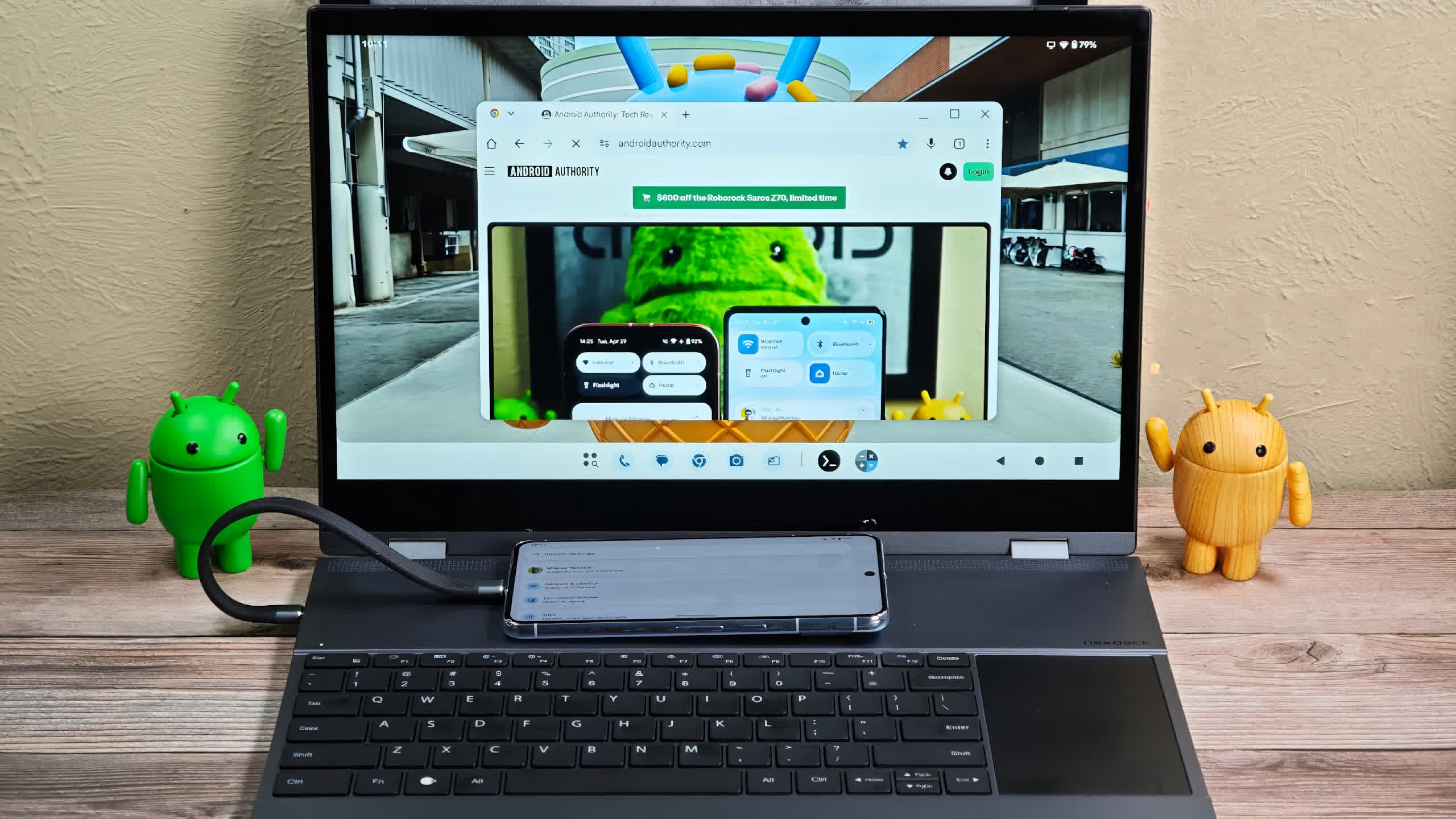
When users activate desktop mode, the Pixel phone renders a PC-style interface onto an external display via USB-C. The new interface introduces a taskbar at the bottom, allowing users to pin favorite apps, access a full-screen app drawer reminiscent of the Windows Start Menu, and view recent applications. The familiar Android status bar sits at the top, displaying system information such as Wi-Fi, battery, and notifications. Apps open in resizable, movable windows, and users can snap them to the sides of the screen for better multitasking.
One standout feature is the ability to run multiple apps in floating windows simultaneously, with support for drag-and-drop between apps – provided the apps support this functionality. This capability significantly enhances Android's multitasking, going well beyond the limited desktop interface currently available on Pixel devices, which lacks a robust taskbar and proper window management.
Google's desktop mode builds on "desktop windowing," first introduced in Android 15 for tablets, allowing users to open multiple apps in freeform windows. The new feature brings this capability to smartphones connected to external displays. However, the functionality needs refinement, particularly in managing how peripherals interact with the phone and the external display.
Despite promising progress, this feature remains unfinished and likely won't debut in the stable release of Android 16. Instead, it may arrive in a future quarterly update or, more likely, with Android 17 next year. For now, desktop mode remains hidden behind developer options and is available only to those willing to experiment with beta software.
Android 16 beta reveals new desktop mode to turn your phone into a PC


