
What just happened? Anthropic's landmark $1.5 billion copyright settlement with authors and publishers has received final court approval, clearing the way for payments in what is believed to be the largest recovery in US copyright history. The case centered on almost 500,000 books obtained from pirate libraries while the company was developing its Claude AI model.

US District Judge Araceli Martínez-Olguín signed off on the deal Monday, rejecting objections that the payout was too small, the lawyers were being overpaid, or some copyright holders had been improperly excluded. She awarded the plaintiffs' attorneys more than $101 million, well below the $187.5 million they requested.
Anthropic says more than 91% of the authors and publishers covered by the settlement have claimed a share. The agreement is expected to provide around $3,000 for each eligible work before legal fees, administrative costs, and other expenses, with payments divided between the authors and publishers that hold the rights.
The company must also destroy the pirated material covered by the agreement. Some authors and publishers opted out and have launched separate lawsuits against Anthropic, meaning the $1.5 billion payout doesn't end all of the company's book-related copyright battles.
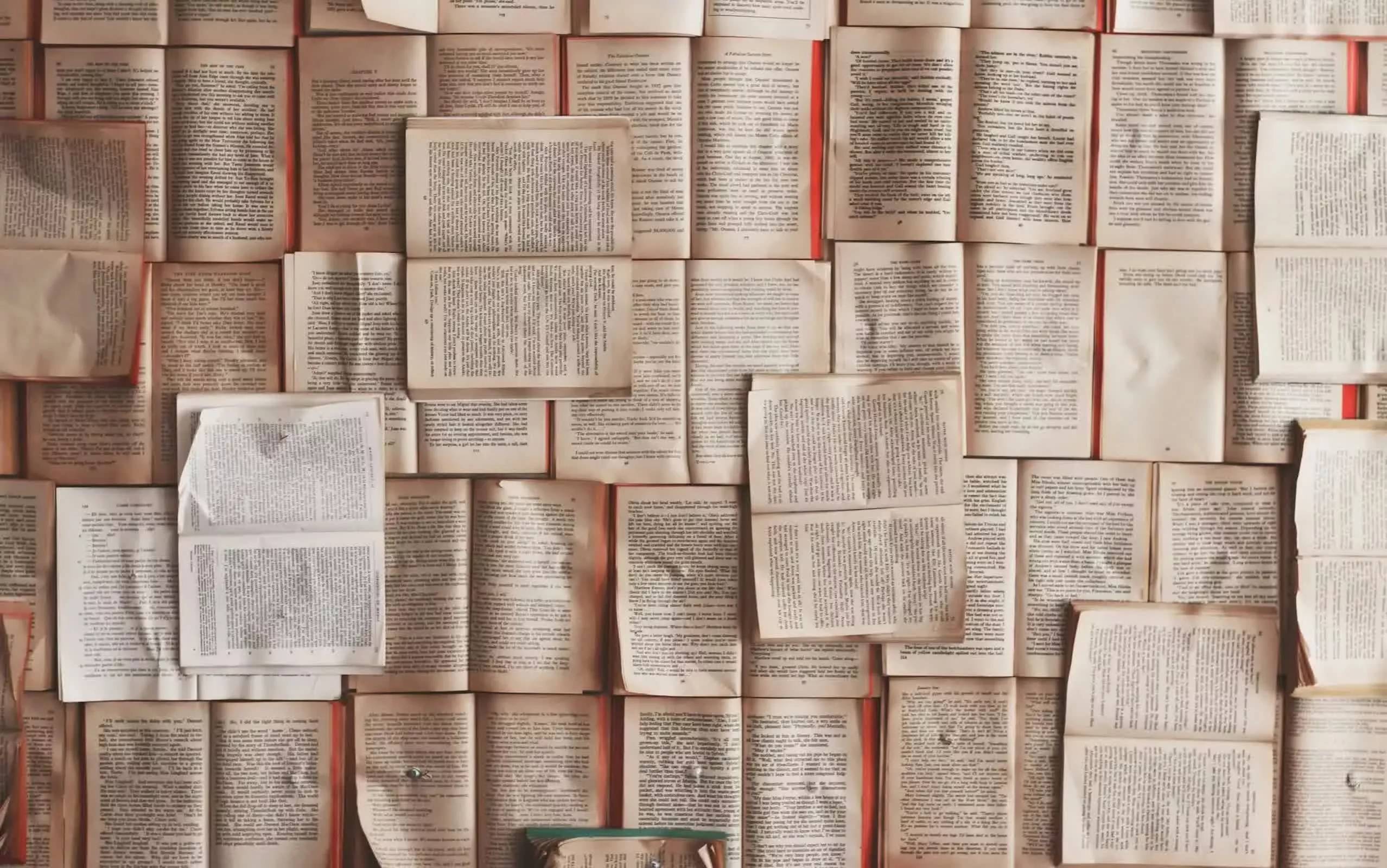
In 2024, authors Andrea Bartz, Charles Graeber, and Kirk Wallace Johnson sued Anthropic after accusing it of downloading their books and hundreds of thousands of other titles from shadow libraries such as Library Genesis and Pirate Library Mirror. Court documents later indicated that Anthropic had amassed a central library containing more than seven million pirated books.
The case produced a split ruling in June 2025. Then-US District Judge William Alsup found that using copyrighted books to train Claude qualified as fair use because the process was transformative. However, he ruled that downloading and permanently storing pirated copies was a separate act of infringement.
Alsup also approved Anthropic's practice of buying physical books, cutting off their bindings, scanning the pages, and destroying the originals. The company still faced a December 2025 trial over the pirate archive, where potential statutory damages could have reached hundreds of billions of dollars.
The settlement was reached last August. The final approval closes this class action but doesn't establish a binding nationwide precedent, as the district court ruling will not be tested on appeal.
Anthropic also faces a separate $3 billion lawsuit from major music publishers, which accuse it of pirating more than 20,000 songs and other copyrighted works to train Claude. Similar cases against OpenAI, Meta, Google, and other AI companies continue to work their way through US courts.
Anthropic's landmark $1.5 billion copyright settlement with authors wins final court approval


