Editor's take: As Apple navigates a pivotal moment, all signals point to a carefully orchestrated transition – one that industry observers expect will be measured and deliberate, in keeping with the company's track record of thoughtful executive handovers. Throughout his tenure, Tim Cook has made it a priority to advance leaders from within, consistently advocating for rigorous succession planning and commitment to leadership continuity.
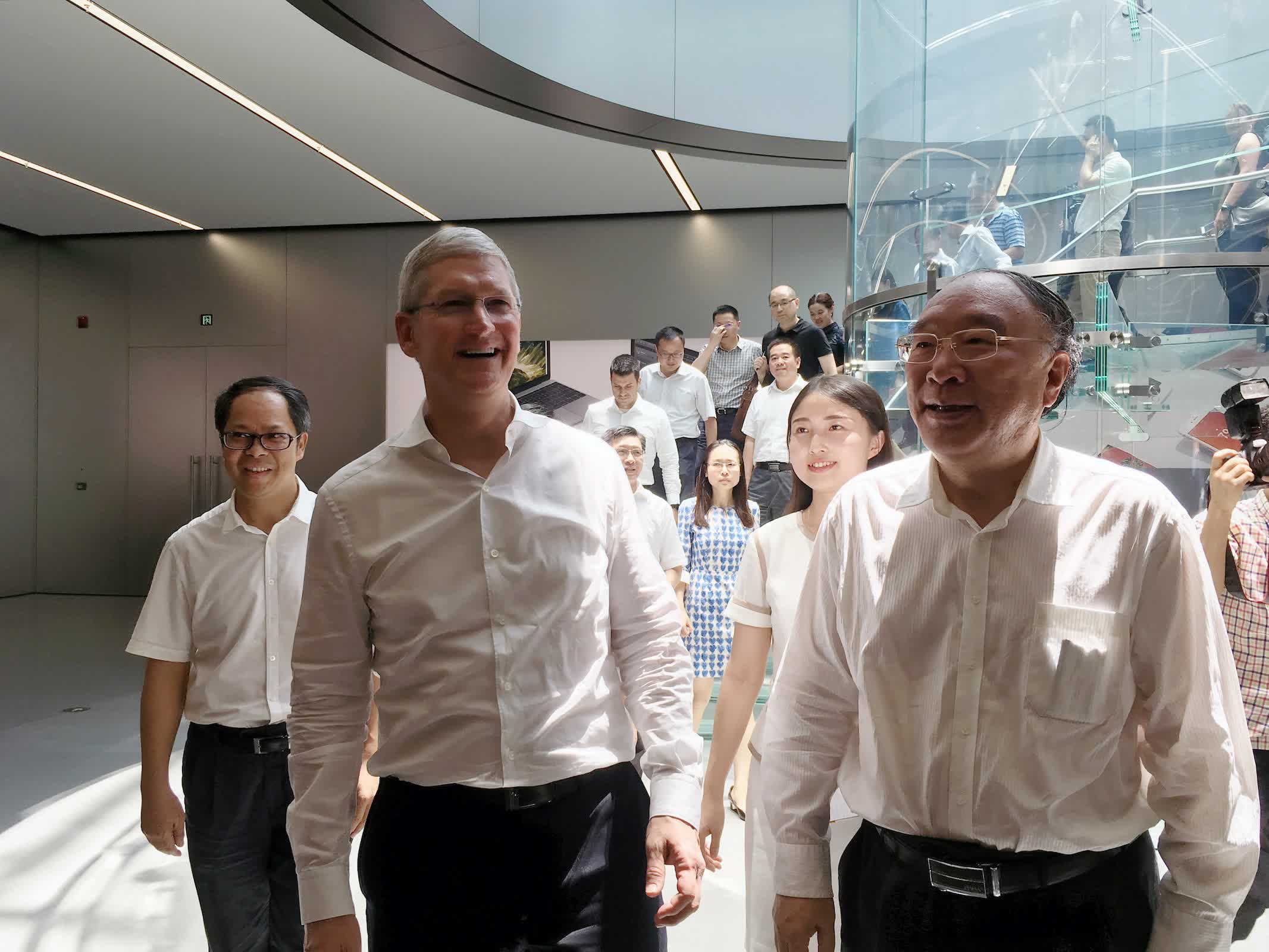
Apple is ramping up preparations for its most significant leadership transition since Steve Jobs' era, as sources indicate that chief executive Tim Cook may depart as soon as next year.
According to individuals familiar with internal discussions who spoke with The Financial Times, Apple's board and senior leadership have accelerated succession planning, with an eye on senior vice president of hardware engineering, John Ternus, the lead contender to take over. The process, years in the planning, has recently gained new momentum, though no decision has yet been finalized and the timing remains fluid.
Cook, who turned 65 this month, has presided over Apple since 2011. During his time as CEO, the company's market valuation increased from $350 billion to $4 trillion, a period marked by steady revenue growth and expanding market influence. Sources close to Apple maintain that the pending transition is not driven by current company performance, emphasizing that Apple enters the holiday quarter with strong sales momentum and share prices hovering near record highs.
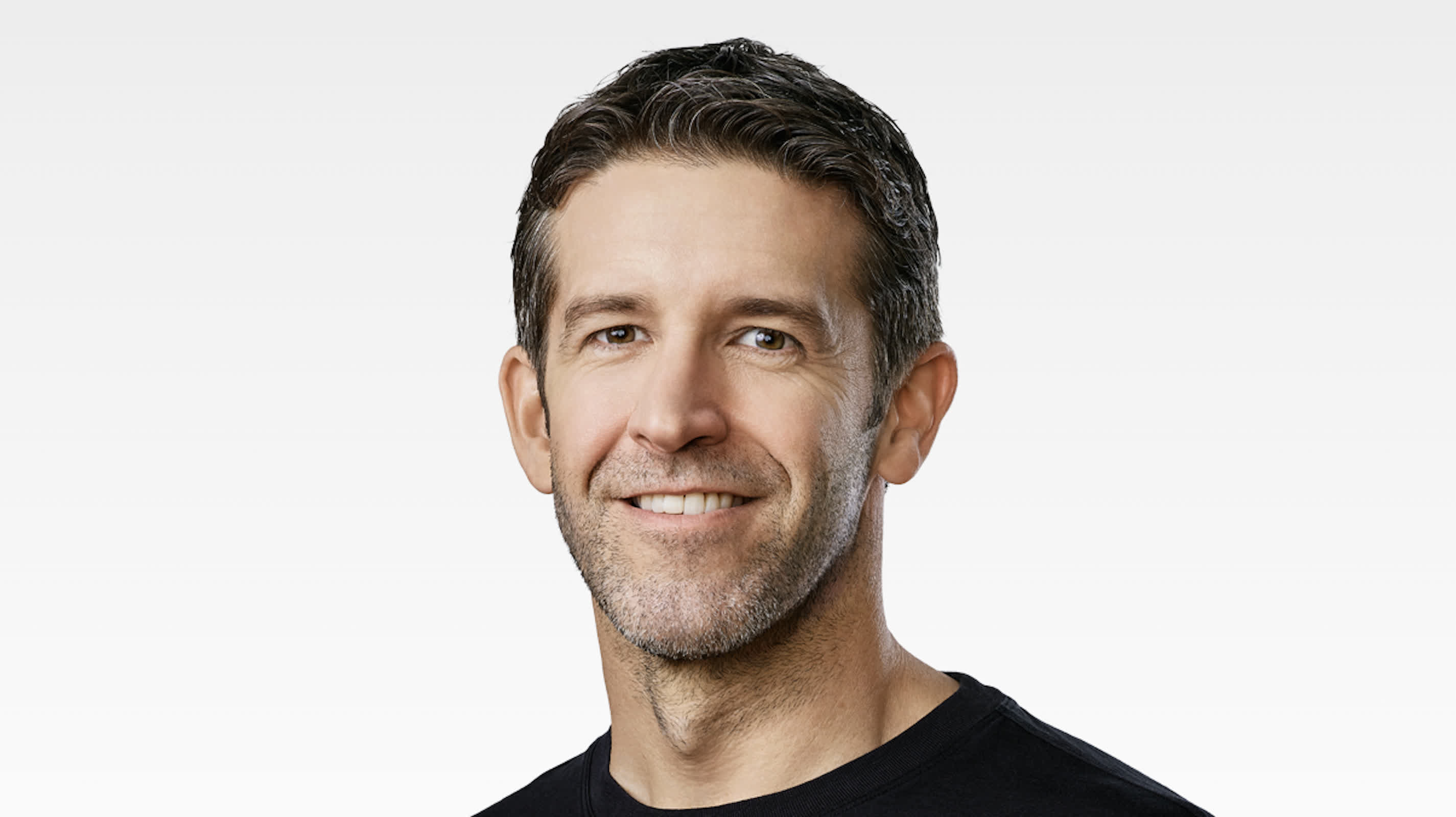
John Ternus
Insiders suggest that any announcement of new leadership is unlikely before Apple's earnings report in January, which falls during the critical holiday season for iPhone sales. A decision made early in the year would allow a new executive team, and particularly a new CEO, to establish itself before Apple's headline events: its worldwide developer conference in June and the unveiling of new iPhone models in September. However, multiple sources caution that these timelines remain subject to change.
John Ternus has emerged prominently in succession conversations. Having joined Apple in 2001 after earning a mechanical engineering degree from the University of Pennsylvania, he has guided hardware strategy across major products – including iPhone, iPad, Mac, and Apple Watch – since his 2021 promotion to his current role.
Ternus has played a defining part in Apple's ongoing transition to in-house silicon and recently introduced the iPhone Air, the thinnest iPhone yet, onstage at the company's developer conference. At age 50, the same age Cook was when he assumed the chief executive position, some inside Apple see Ternus as a candidate to provide steady leadership for the next decade.
The impending transition comes during a period of significant turnover among Apple's top management. Luca Maestri, chief financial officer and a long-time Cook ally, stepped away from daily finance duties at the beginning of this year. Jeff Williams, another key Cook protégé, officially left his role as chief operating officer in July and retired completely this month, prompting the distribution of his responsibilities across multiple executives. These staff changes have triggered structural adjustments affecting Apple's operations, health and fitness units, hardware, and design teams.
Apple fast-tracks CEO succession plans as Tim Cook could step down next year


