
In a nutshell: TSMC's 2nm manufacturing process is in development, and the world's largest semiconductor manufacturer is said to have secured orders from around 15 customers for N2. But companies such as Apple and Nvidia could pay up to 66% more for the generational improvements – a price hike that may be passed on to consumers.
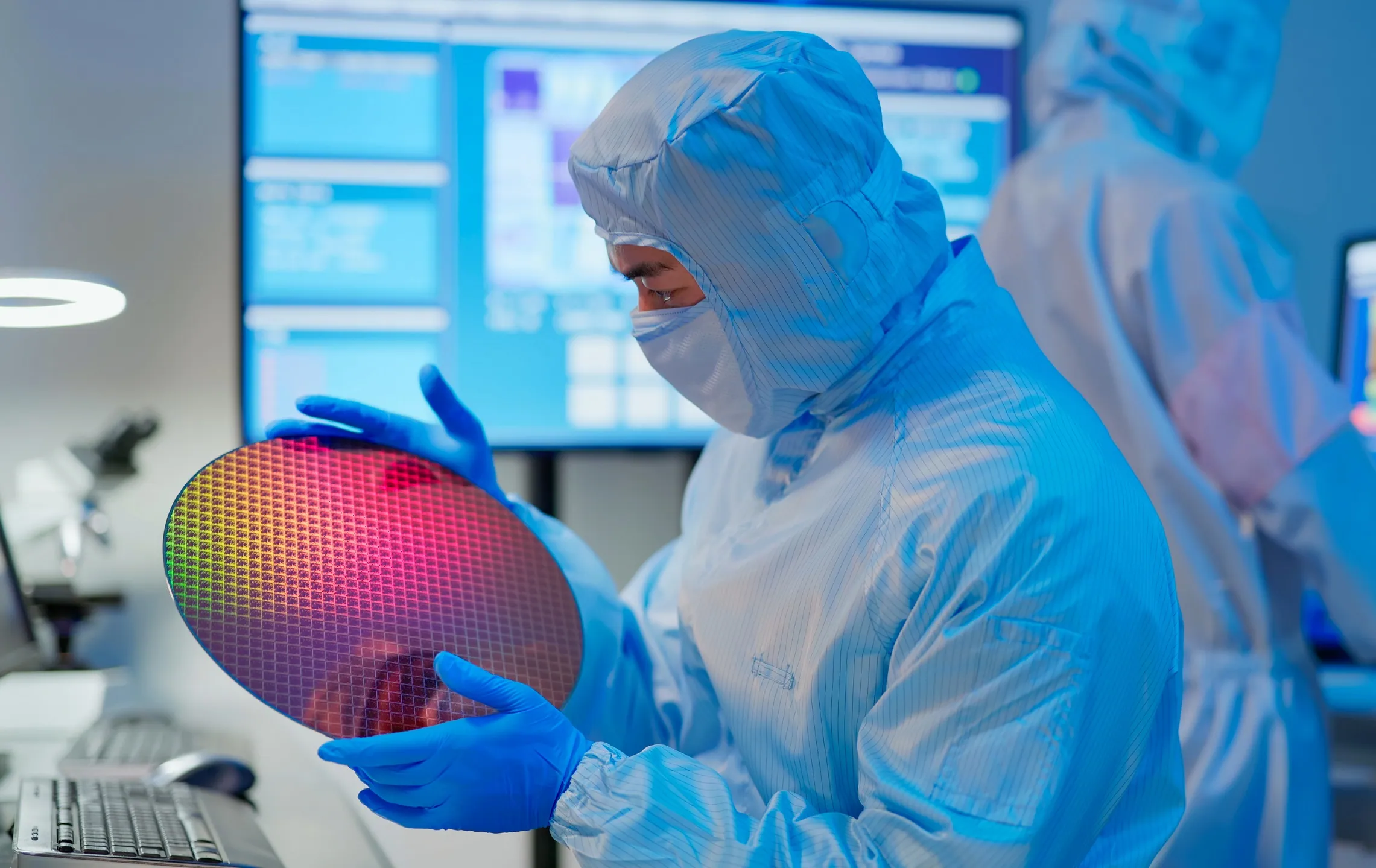
Claims regarding TSMC's N2 customers come from KLA, a major semiconductor equipment supplier. At the Goldman Sachs Communacopia & Technology Conference 2025, Ahmad Khan, President of KLA's combined product and customer organization, Semiconductor Products and Customers, said there are around 15 companies designing chips for N2.
Most of the N2 customers are developers of processors for high-performance computing (HPC) applications, which according to TSMC includes PCs, servers, data centers, and game consoles.
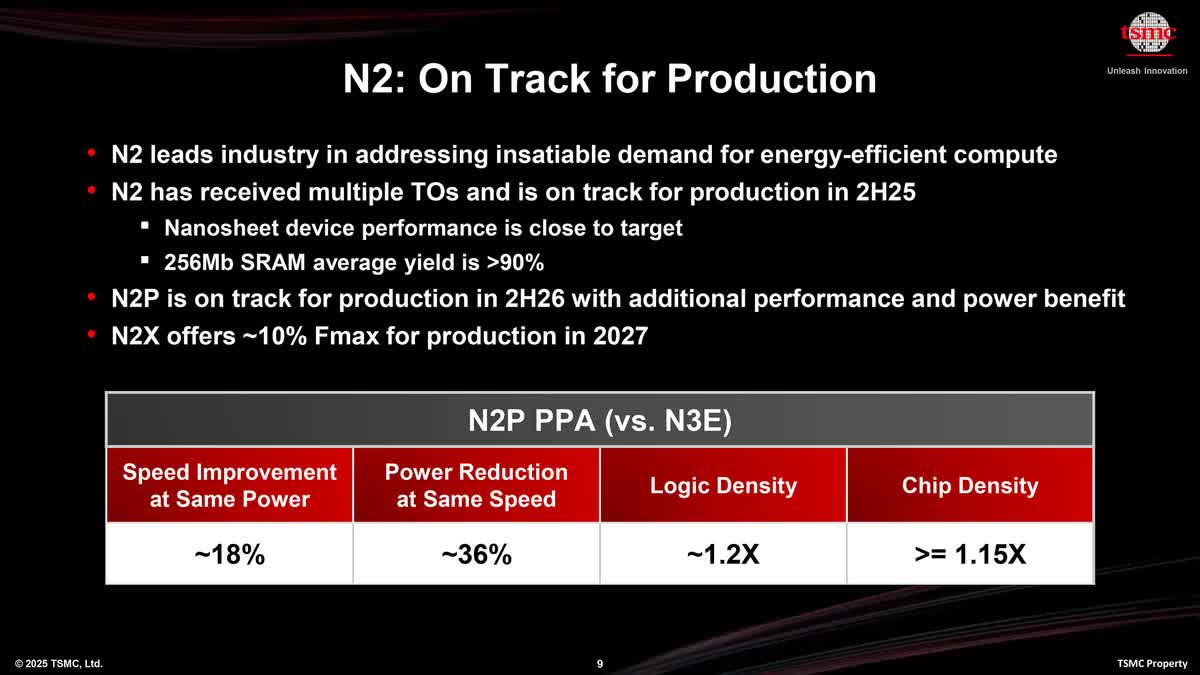
TSMC previously said that N2 is on track for production in the second half of 2025. N2P, which offers additional power and performance increases, is set for production in 2H2026, while N2X goes into production in 2027.
In April, AMD said that the 6th-generation Epyc processors, codenamed Venice, will be the first high-performance computing product built using TSMC's 2nm process node.
Also see: How profitable are TSMC's nodes: crunching the numbers
Nvidia, Intel, MediaTek, Broadcom, and Qualcomm are also lined up as customers, but the biggest buyer is expected to be Apple. According to reports, Cupertino is set to claim almost half of TSMC's early N2 output, driven by anticipated demand for its iPhone 18 series. Analysts, including Ming-Chi Kuo and Jeff Pu, have confirmed that Apple's upcoming A20 chips for next year's handsets will be based on TSMC's initial 2nm run.
In addition to news about the customers, there are more reports relating to the huge price increase TSMC has added to N2 wafers. ChinaTimes writes that the hike is 50% more than N3. That's actually less than the roughly 66% generational price increase that was reported in June, when the Commercial Times said TSMC would be charging $30,000 per wafer – and prices could rise again next year.
The concern is that much, or all, of this price increase will be passed on to consumers, meaning next year's already expensive products will become even pricier.
The new N2 process node marks TSMC's first use of gate-all-around (GAA) nanosheet transistors. The company calls it the industry's most advanced technology for density and energy efficiency, claiming the nanosheet structure delivers a 15 percent performance boost at the same voltage or a 24 to 35 percent drop in power use compared to the older 3nm finFET (N3) process.
Apple, Nvidia, Intel among 15 early customers for TSMC's 2nm process – despite huge price hike


