In a nutshell: Apple is expected to secure nearly half of TSMC's initial N2 production capacity for the upcoming iPhone 18 series. This move underscores the pivotal influence of TSMC's 2nm technology in advancing the next generation of consumer electronics.
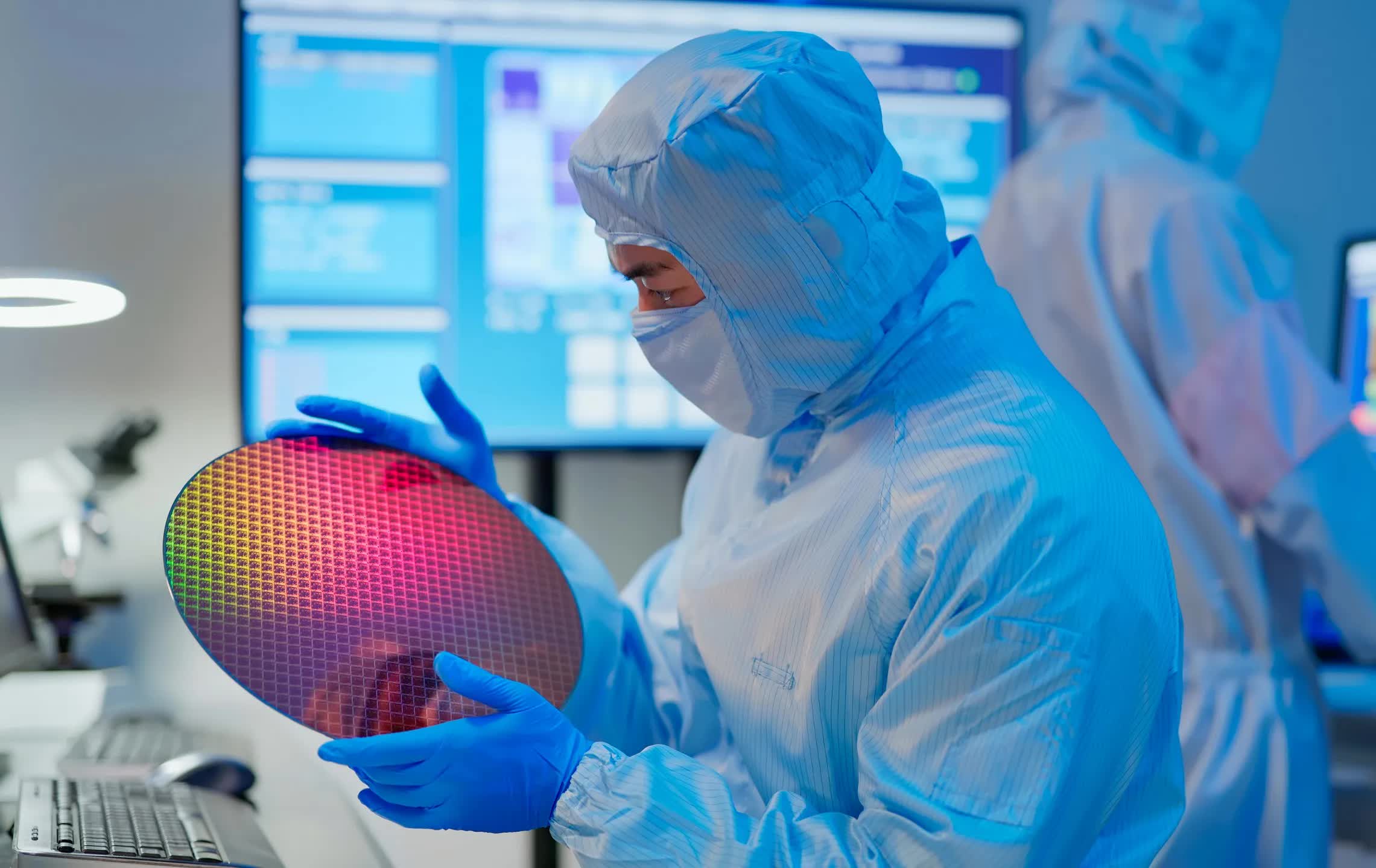
TSMC is making significant strides in next-generation chip production as its 2nm process enters mass manufacturing. According to supply chain sources cited by SMYG and DigiTimes, the company's Baoshan and Kaohsiung plants are expected to achieve a combined monthly output of 45,000 to 50,000 wafers by the close of 2025, with plans to increase this capacity to 100,000 wafers per month next year. Meanwhile, Arizona's Fab21 P2 is set to begin initial production soon, contributing to a projected total output of 200,000 wafers per month by 2028.
Major technology firms, including Apple, AMD, Qualcomm, MediaTek, Broadcom, and Intel, are reportedly securing early production slots, which are priced at approximately $30,000 per wafer. Sources cited by MacRumors indicate that Apple is set to claim almost half of TSMC's early N2 output, driven by anticipated demand for its iPhone 18 series, followed by Qualcomm and other industry leaders. Analysts, including Ming-Chi Kuo and Jeff Pu, have also confirmed that Apple's upcoming A20 chips for the iPhone 18 will be based on TSMC's initial 2nm run.
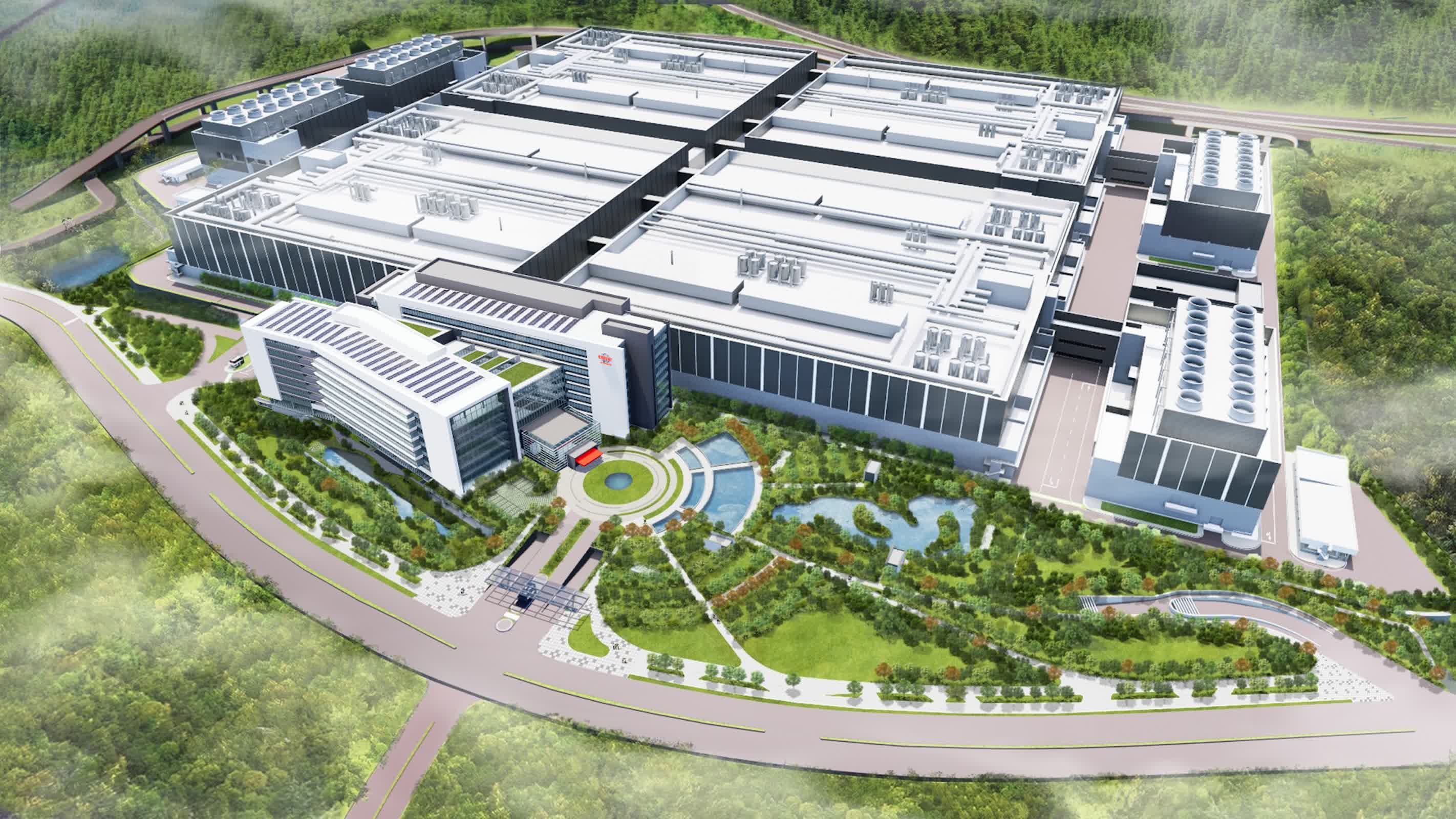
TSMC's Fab 20 will be the main 2nm production facility
According to TSMC's roadmap, the N2P and A16 processes are scheduled for mass production in the latter half of 2026, while the A14 process is expected to begin in 2028. Fab 20's P1 and P2 lines will remain dedicated to 2nm, while P3 and P4 will shift to A14 technology by the end of 2027. Fab22 will operate six lines, with five focused on 2nm chips and one allocated to A14, supporting the growing demand from global clients.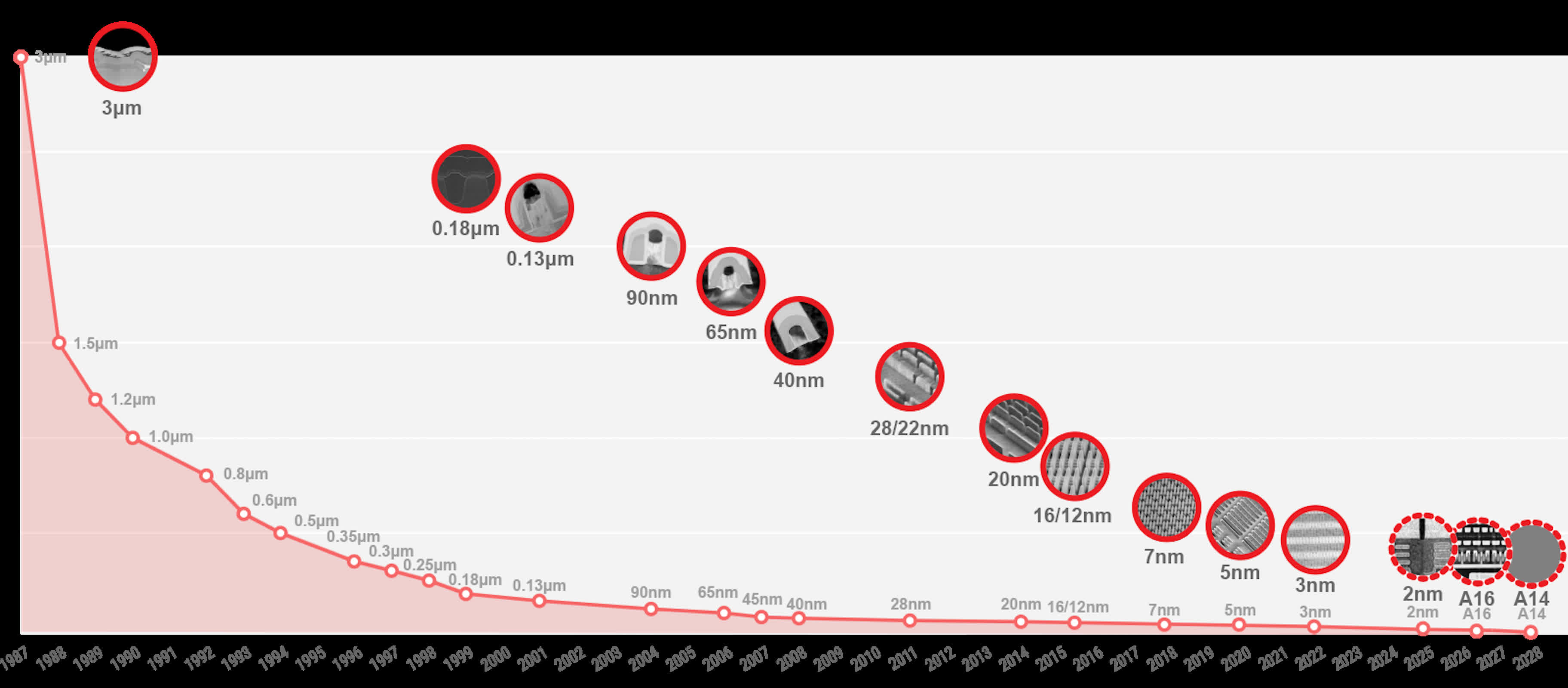
The move to the 2nm node represents a substantial leap in chip performance and efficiency compared to the existing 3nm technology. Reports attribute up to a 15% improvement in speed and a 30% reduction in power consumption for chips built on the N2 process, compared with the A19 chips targeted for Apple's iPhone 17.
TSMC expects full capacity utilization on 4nm and 3nm nodes through the end of 2026 as it ramps up 2nm production. The continued operation of its established manufacturing lines helps offset potential challenges from tariffs and exchange rate fluctuations while contributing to projected strong profitability through 2026.
Sources told DigiTimes and MacRumors that demand for TSMC's advanced processes is poised to accelerate as additional major technology clients, including NVIDIA, Amazon's Annapurna Labs, Google, Marvell, and Bitmain, join production in 2027, raising the number of major customers to more than a dozen.
Apple secures half of TSMC's 2nm chip production for iPhone 18


