Apple's AI hardware roadmap: camera-equipped AirPods, smart glasses, and foldable iPhones

Skye Jacobs

Posts: 1,998   +58
Staff
Forward-looking: Apple is quietly lining up new hardware built around the idea of using cameras and custom chips to help its devices better interpret the world around their users. The plan revolves around camera-equipped AirPods that act as ambient sensors, a refreshed iPhone lineup with more room for on-device AI, and a second-generation foldable phone meant to keep up with that software. That roadmap points to what may be Apple's most aggressive push yet into AI-driven hardware.
The most striking product is a new version of AirPods with cameras in the stems, code-named B798. It's now tracking toward a late-2027 launch after slipping from an original 2026 target, reports Bloomberg, which cites people familiar with the plans.

These are not meant to be tiny GoPros. Instead, the cameras act as computer-vision sensors, scanning a user's surroundings and sending that information to Siri so it can respond with visual context, not just voice or text. The product has moved into advanced development, with prototypes running near-final hardware and software as Apple continues to train the visual AI models behind the feature.

Apple describes the broader concept as Visual Intelligence, and it is already appearing in its software plans. The idea is straightforward: let Siri look at the same scene a user is seeing, then reason over that image the way it now reasons over typed prompts.

Someone looking at a pile of ingredients on the counter could ask what to make, and Siri would answer based on what the cameras see instead of a typed list. The company is also testing how the sensors might power contextual reminders or better walking directions by tying prompts to what the cameras recognize in the real world.
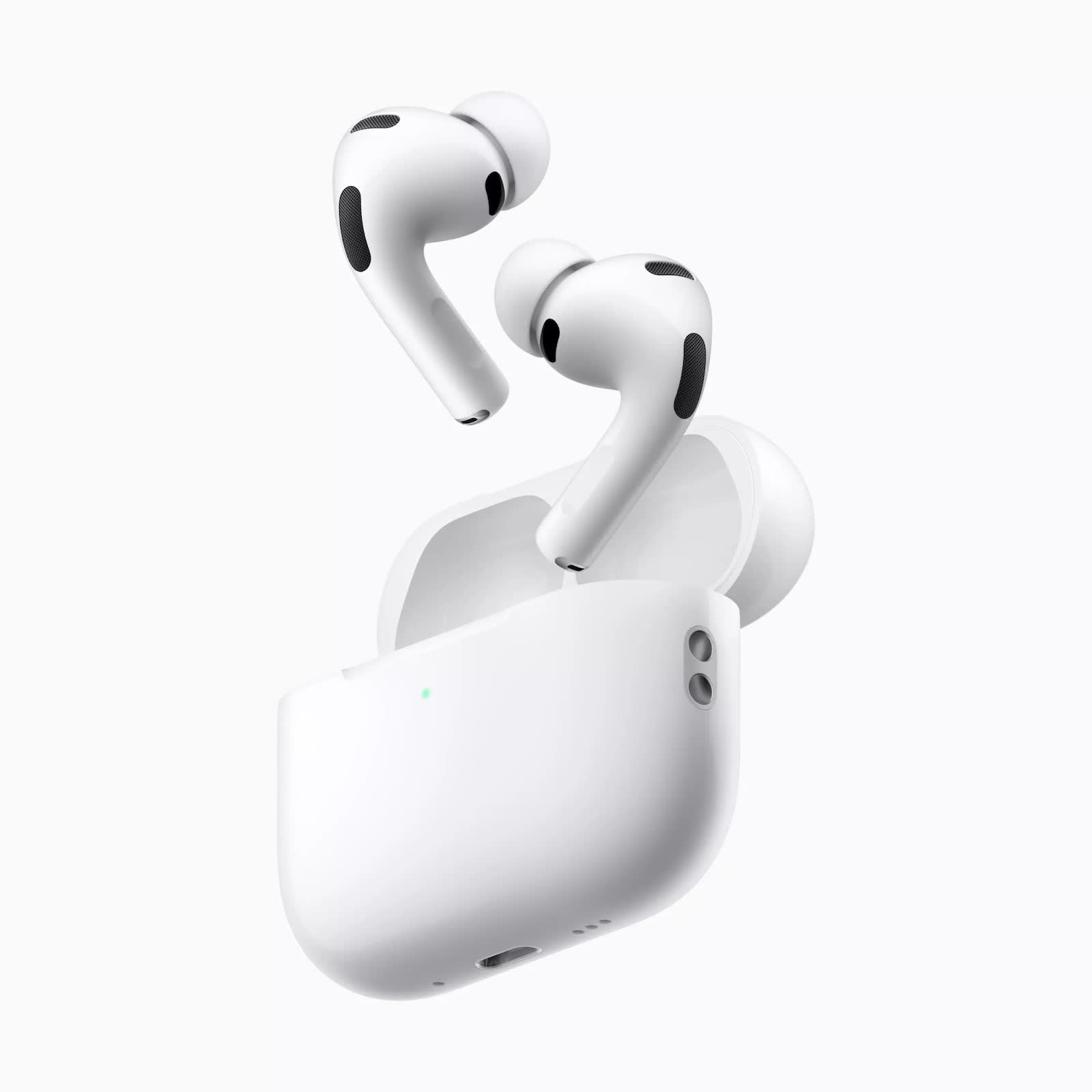
Visually, the camera AirPods are expected to look close to today's AirPods Pro, with the addition of those stem-mounted cameras and external lights that switch on when data is being transmitted for processing. That indicator is meant to give people nearby a clear signal when data is being sent from the earbuds for processing.

At its developer conference, the company showed similar functionality for the Vision Pro headset, but the report notes that the stakes are much higher for the AirPods, a more popular product that Apple believes has huge potential as an AI wearable.

Those earbuds are just one part of a larger lineup of devices built around AI. Apple is working on its first smart glasses, code-named N50, with a launch targeted for as early as late 2027 with more advanced cameras that can both take photos and video and feed visual data into Apple's software.

The company has also explored an AI pendant with an onboard camera that can be clipped to clothing or worn as a necklace, another way to keep computer vision running without requiring users to hold up a phone. Together with AirPods, these devices are meant to surround the user with sensors that can hand off to Siri and other AI tools as needed.
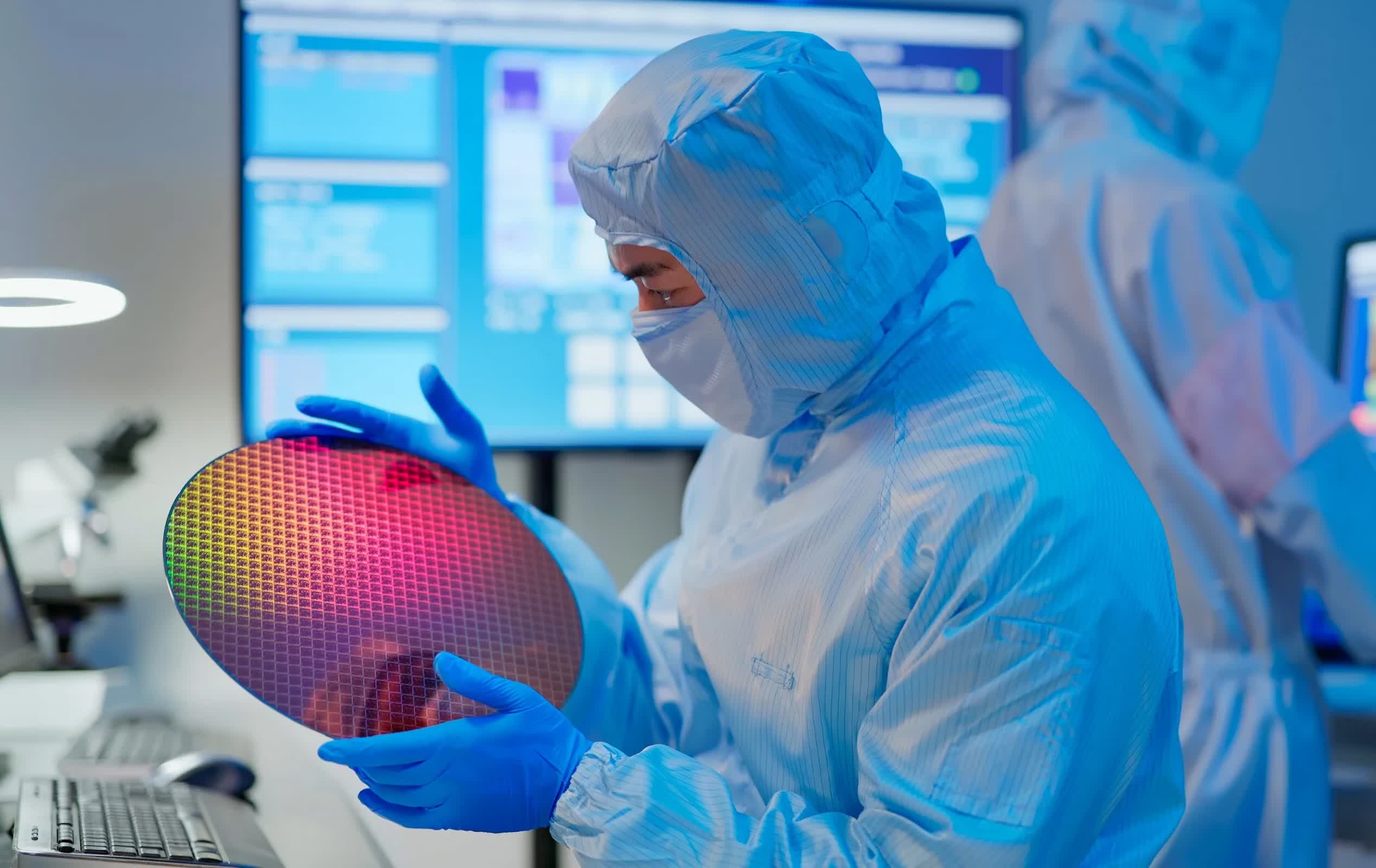
Underneath all of this, Apple is reworking its chip roadmap to keep up with the AI load. This year's iPhone 18 Pro, 18 Pro Max, and the first foldable iPhone are slated to run on an A20 Pro processor known internally as Borneo, while next year's standard iPhone 18 will use a base A20 chip called Banda.

After that, the company plans to shift key 2027 devices – the second-generation foldable and the 20th-anniversary iPhones – to a 2-nanometer A21 chip, code-named Naxos, which will power both the second-generation foldable and the anniversary models. The anniversary models, labeled V73 and V74 in Apple's internal system, are expected at the end of next year as successors to this year's iPhone 18 Pro and Pro Max. They should come in similar sizes but with a nearly edge-to-edge display and curved glass that wraps around the sides. Those models are expected to arrive around the same time as iOS 28, an iPhone software update code-named Bell that Apple is now testing for 2027.

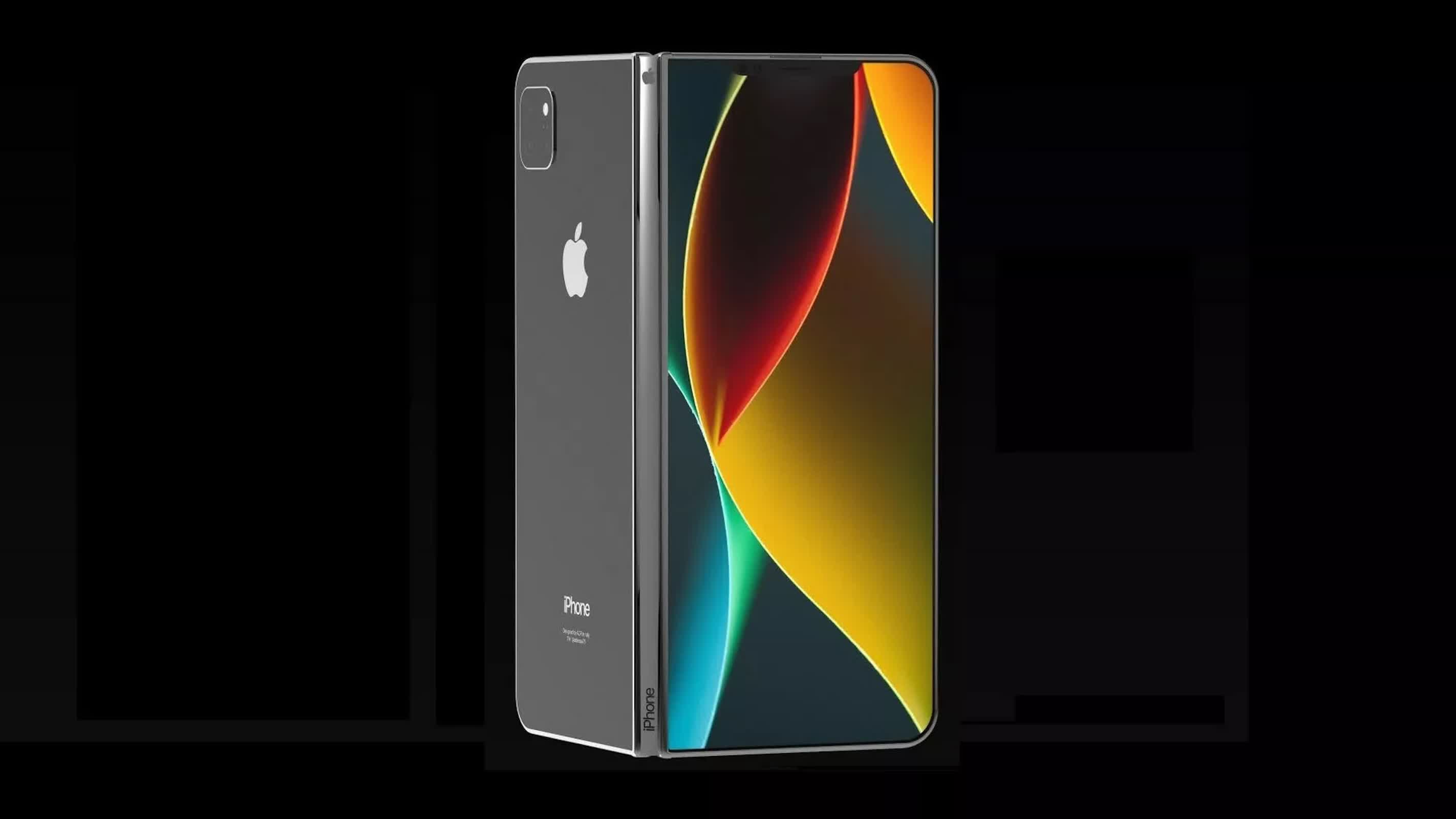
Foldables are meant to be more than a one-off experiment. Apple's first foldable iPhone remains on track for a September debut, followed by a second-generation model code-named V78 roughly a year later. That cadence signals that Apple views foldables as a category that will get regular updates, rather than a one-off launch.

The chip roadmap stretches further. A follow-on to the standard iPhone 18 is already in the works with a standard A21 processor dubbed Nimos, and Apple plans to move its high-end phones to an A22 Pro built on a 1.4-nanometer process by 2028. The company will primarily work with TSMC on that chip but is also considering Intel, an arrangement that underscores how important these AI-focused devices are to Apple's product plans.

Permalink to story:

 
I don't know what to make of the airpod cameras. I'll have to see that to believe it.
It makes no sense whatsoever when they should be developing camera glasses - the most logical place to put a camera - and less likely to fall and break or get lost.

Apple's "iGlasses" are going to be a game changer like Apple Watch if they get it right.

And they haven't innovated in years.

A folding iPhone is NOT innovative.
 
I don't know what to make of the airpod cameras. I'll have to see that to believe it.
It makes no sense whatsoever when they should be developing camera glasses - the most logical place to put a camera - and less likely to fall and break or get lost.

Apple's "iGlasses" are going to be a game changer like Apple Watch if they get it right.

And they haven't innovated in years.

A folding iPhone is NOT innovative.
Anything can be a game changer if "it's done right".
The Vision Pro was innovative; it just didn't have software good enough to convince enough people to buy it and some of the features didn't make any sense like the external display the user of the device never gets to see that adds extra weight and cost.
Who has innovated since Apple's last innovation? I'm not saying Apple does amazing things, but I can't begin to imagine how difficult it is to bring a product to market.
 
Anything can be a game changer if "it's done right".
The Vision Pro was innovative; it just didn't have software good enough to convince enough people to buy it and some of the features didn't make any sense like the external display the user of the device never gets to see that adds extra weight and cost.
Who has innovated since Apple's last innovation? I'm not saying Apple does amazing things, but I can't begin to imagine how difficult it is to bring a product to market.


The Vision Pro's cost was astronomical and its power delivery was poorly designed. It wasn't innovative when Meta 3 is cranking out Quest 2 and 3 which actually offer more gaming value for less than half the cost.
 
These are not meant to be tiny GoPros. Instead, the cameras act as computer-vision sensors, scanning a user's surroundings and sending that information to Siri so it can respond with visual context

More data collection with users footing the hardware bill. I see nothing innovative here from Apple nor any other smartphone maker in the past decade. Only price increases and faster chips for more bloat and spying.
 
It makes no sense whatsoever when they should be developing camera glasses - the most logical place to put a camera - and less likely to fall and break or get lost.
Only if you already wear glasses.
I wouldn't want to start wearing glasses just for the sake of giving Siri a camera. Make it a clip instead so you can stick it on your hair or clothes.

But the already not-cheap air pods getting more hardware (and thus costs)... I wouldn't even consider that if the battery in those things still isn't replaceable.
Not that I'm the target audience, staying out of Apples walled garden and I've no desire for a camera for an 'assistant'
 
Only if you already wear glasses.
I wouldn't want to start wearing glasses just for the sake of giving Siri a camera. Make it a clip instead so you can stick it on your hair or clothes.

But the already not-cheap air pods getting more hardware (and thus costs)... I wouldn't even consider that if the battery in those things still isn't replaceable.
Not that I'm the target audience, staying out of Apples walled garden and I've no desire for a camera for an 'assistant'


The same could be said about watches. Before Applewatch there were people who didn't wear watches, but Applewatch made them daily wearers. For people who don't wear glasses - surely most of them wear sunglasses or other forms of eye protection (I have Beretta shooter glasses). Apple iGlasses would allow me to video my gun range footage or piloting events with ease.

My father refuses to wear a watch but he does wear glasses. My mom wears a watch and infrequently wears glasses.

Regardless: I insist that Apple's own iGlasses would corner the damn market - unlike Meta's.

It's the one wearable they need absolutely badly.
 
The same could be said about watches. Before Applewatch there were people who didn't wear watches, but Applewatch made them daily wearers. For people who don't wear glasses - surely most of them wear sunglasses or other forms of eye protection (I have Beretta shooter glasses). Apple iGlasses would allow me to video my gun range footage or piloting events with ease.

My father refuses to wear a watch but he does wear glasses. My mom wears a watch and infrequently wears glasses.

Regardless: I insist that Apple's own iGlasses would corner the damn market - unlike Meta's.

It's the one wearable they need absolutely badly.
My nose gets irritated a lot more easily than my wrist does, now admittedly I've very sensitive skin but I know several people that often stick to using lenses as much as possible because they don't like wearing glasses. (Be it the weight, them not covering everything / obscuring vision slightly)

A watch tends to be a lot less annoying to wear as long as you don't have a profession that requires sticking your arms through narrow spaces.

I'll admit I'm an oddity though, don't like any form of accessories. Rings, glasses, watches... not my thing. Heck even hoodies flopping around or the drawstrings hoodies typically come with, not for me.
 
Glasses with knowledge of you, your phone content and your surroundings could be huge. If Apple can succeed where Google failed it will be a new social revolution. Hey Siri, what's the performance stats on that red car across the road? Hey Siri, I recognise that girl, what's her name and is she single? Where's the nearest coffee shop etc etc the uses are endless.
 
Hey Siri, I recognise that girl, what's her name and is she single?
"Sorry I can't help you with that due to privacy concerns"
If Google already has to sensor street view data I doubt Apple will be allowed to record faces in an even larger and real time way, let alone correlate that data with people's information.
it will however likely let law enforcement tap into free surveillance data.
 
"Sorry I can't help you with that due to privacy concerns"
If Google already has to sensor street view data I doubt Apple will be allowed to record faces in an even larger and real time way, let alone correlate that data with people's information.
it will however likely let law enforcement tap into free surveillance data.
You make a valid point about that one example but there's a vast amount of usable questions that could change peoples lives. Hey Siri are there any jobs for a "insert job title here" in this area? Can I purchase that blue watch I see in the shop window for a better price online etc etc
 
Back