iOS 27's most advanced on-device AI needs 12GB of RAM – and most iPhones don't have it

DragonSlayer101

Posts: 982   +14
Staff
Facepalm: Apple released the first public beta for iOS 27, iPadOS 27, and macOS 27 this week, bringing several new generative AI features, many of which utilize on-device AI models running locally on devices supporting Apple Intelligence. However, it has now been confirmed that the most sought-after on-device AI features will only run on a handful of devices with compatible hardware.
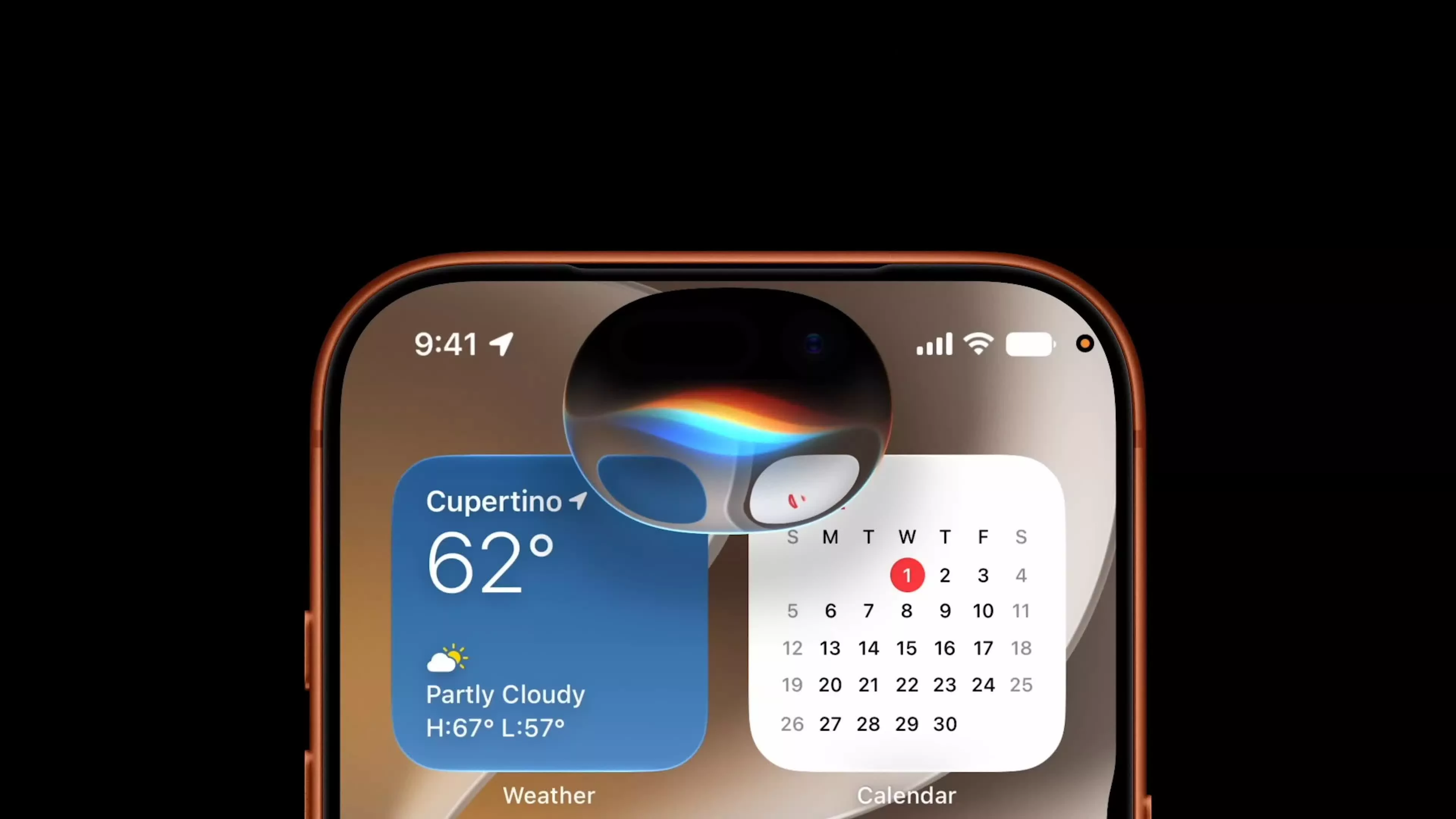
According to Apple's press release, features such as Expressive Voices and enhanced dictation rely on a new on-device AI model that requires at least 12GB of system memory. As a result, only the iPhone 17 Pro, iPhone 17 Pro Max, and iPhone Air support all of the new generative AI features.

Those hardware requirements mean the new capabilities won't be available on the other iPhone models that support Apple Intelligence, including the base iPhone 17, which comes with just 8GB of RAM. Older iPhones will also miss out on these advanced features, though they will still receive the rest of Apple's new AI tools, including those that rely on less demanding on-device processing.

Apple has also set the same memory requirement for iPads and Macs, meaning they too will need at least 12GB of RAM to run the new on-device AI model. The company has introduced additional hardware requirements across iPads, Macs, and wearables, meaning only iPad models with M4 or later, Mac models with M3 or later, and the M5 Vision Pro are compatible with the new features.

Alongside the AI upgrades, iOS 27 also brings several quality-of-life improvements, including the ability to set custom volume levels for ringtones, system sounds, and alarms and timers. The update also introduces a redesigned AirPods settings menu and adds a new custom EQ feature to further personalize audio output.

Apple Intelligence is available on all iPhone 16 models and later, as well as the iPhone 15 Pro and iPhone 15 Pro Max, the A17 Pro iPad mini, iPads with M1 and later, Mac models with M1 and later, Apple Vision Pro with M2 and later, Apple Watch Series 9, 10, and 11, Apple Watch Ultra 2 and 3, and Apple Watch SE 3 when paired with an Apple Intelligence – enabled iPhone..

Permalink to story:

 
#1 This is part of the reason I focused on getting iPhone 17 and skipped 15 and 16. I was most focused on having 2TB storage. I didn't really care about AI, but having more RAM ultimately paid off in that now I'm future proof till iPhone 20.

#2 Anyone who doesn't have iPhone 17, may as well wait till September and get iPhone 18.

They've created a floor with 17. You don't want to have anything below it.
 
I don't think Apple had a full grasp of the hardware requirements to run AI when they started making promises about it.
I know they had a better grasp than people who don't know a convolutional neural network from a toaster oven. The most advanced AI model runs on their most advanced hardware. In what world is this surprising?
 
Only if you want any of these AI features.

I’m happily avoiding AI and liquid glass by staying on iOS 18.

(And it remains to be seen if 12GB is truly enough for what AI becomes in the next year or so.)

Even then it’s only some that are limited not the majority
 
Interesting how any advancement in requirements for hardware is immediately labeled "artificial product segmentation".

Most big companies have well paid clever people thinking 5 years ahead to figure ways out to make you buy a new product. Usually the plan of a software feature that they will lock artificially to a model or limit RAM evolution saying it's enough, until they plan to release a demanded feature but bound to a RAM increase.

Example: Microsoft demanding TPM 2.0, 8 the gen Intel CPU and then you deactivate that requirement and it works well. AMD saying RDNA 3 can't support FSR 4 and suddenly... It will. Etc.
 
I wonder if the average iPhone consumer will even know why their next upgrade will cost significantly higher than usual.

Apple why have standalone data centers when we can train our Ai via million iPhones as one big data center network. 😅
 
Last edited:
I wonder if the average iPhone consumer will even know why their next upgrade will cost significantly higher than usual.

Apple why have standalone data centers when we can train our Ai via million iPhone as one big data center network. 😅
I wonder if the average iPhone consumer will even know why their next upgrade will cost significantly higher than usual.

Apple why have standalone data centers when we can train our Ai via million iPhone as one big data center network. 😅
Just like Elon Musk and Tesla FSD?
 
Apple has been too slow to add more RAM to their phones, even the "pro" phones until the 17 models lacking in RAM to competition from Android phone makers.
That's only because up until now, it's not really needed a lot of RAM. I have an iPhone 15 Pro and it only has 8 GBs of RAM and it runs fantastic. Android on 8 GBs? Not so much.
 
I can't see how much RAM I have on my device on support.apple.com (iPhone SE (2rd generation) - Tech Specs).
 
That's only because up until now, it's not really needed a lot of RAM. I have an iPhone 15 Pro and it only has 8 GBs of RAM and it runs fantastic. Android on 8 GBs? Not so much.
I assume Apple had been planning to add AI to their phones for a while, this couldn't have been sudden. And what better way for people to buy new phones that haven't done anything innovative in years than implement this during the AI rampocalypse.
Android phones are fine on 8GB, even the Pixels that people whine about being "too slow" in synthetic benchmarks.
 
What a strange comment section, I don’t think I’ve ever once used a phone and thought to myself, “you know, this phone could really do with more RAM”…

On top of that, there’s people here thinking increasing the RAM requirements to run local AI on their phone a bit better, will suddenly cause everyone to run out and buy a new phone? What mad world do you lot live in?

I’m sure everyone with an iPhone 15pro/16/17 will be quite happy until their next normal upgrade cycle, just means the next time they upgrade, they’ll get a few more AI features. Anyone on a 15 or older are already aware, and have been for years now, that Apple Intelligence was never coming to their phone anyway.
 
Interesting how the artificial product segmentation and skimping out on RAM which Apple users love to defend has caught up with them.
That's a pretty selective way of looking at it.

Apple deserves criticism when it skimps on RAM, but this article isn't really proving what you think it is. Most phones on the market today, including many Android devices, don't have 12GB of RAM either. Technology advances, requirements increase, and older hardware eventually misses out on new features. That's been true for decades.

Also, people act like Apple users have been claiming 8GB is equivalent to 32GB forever. The reality is that iOS and macOS have historically been far more efficient with memory management than Windows and Android, which is why devices with less RAM often performed surprisingly well in real world use.

If Apple decides that a future on device AI model requires 12GB of RAM, that's not necessarily proof of "artificial segmentation." It may simply be that the model genuinely needs more memory to run locally. The same thing happens every time new software pushes hardware requirements higher.

Could Apple have put more RAM in some models? Sure. But acting like this is some unique Apple problem ignores the fact that new features routinely leave older hardware behind across the entire tech industry.
 
Back