The takeaway: Block, the parent company of mobile payment service Cash App, has reached a $45 million settlement with regulators and the attorneys general of 46 states and the District of Columbia to resolve allegations that it failed to adequately protect users from fraud. As part of the settlement, Block also agreed to provide live customer support to all users.
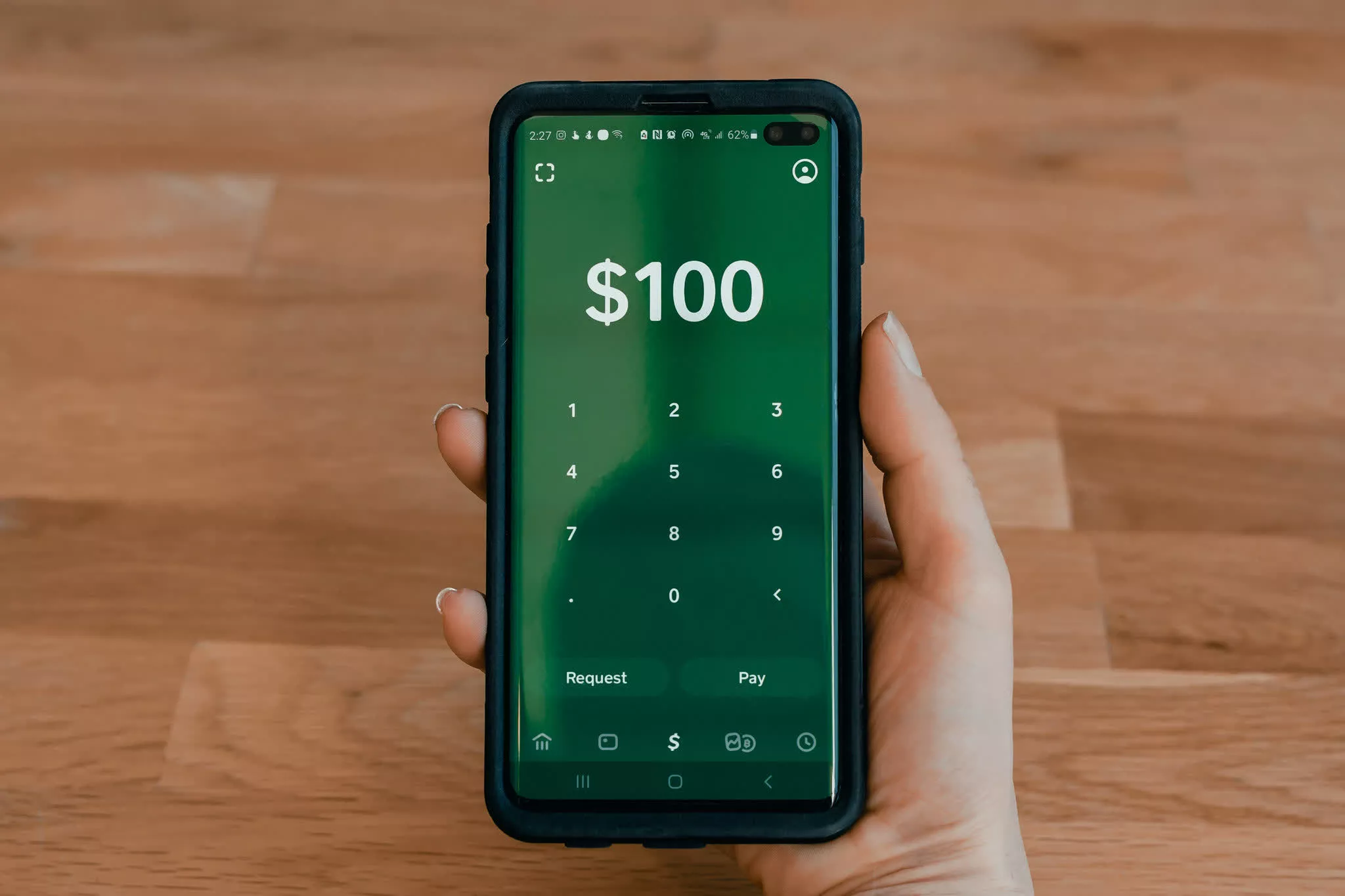
According to the indictment, Block exposed its users to fraud by misleading them about Cash App's security. The company promised advanced fraud detection mechanisms but allegedly allowed scammers to operate freely. Investigators further alleged that the app did not provide a phone number for customer support, leading many users to search online, where they found fake numbers created by scammers.
Investigators claimed that Block, founded by Twitter co-founder Jack Dorsey in 2009, was aware of the phone support scams but did little to prevent them. In fact, the company reportedly did not establish an official support hotline until 2021. Cash App also did not require a Social Security number or date of birth during signup, making it easier for potential scammers to target unsuspecting users.
In separate press statements, attorneys general from several states including New York, Texas, Wisconsin, California, Oregon, and Colorado heralded the settlement as a major victory for consumers. They also slammed the company for not being forthright to its users about its lax security protocols and inadequate customer support mechanisms.
According to New York Attorney General Letitia James, Block marketed Cash App as a secure service comparable to traditional banks, leading customers to believe that their funds were protected by cutting-edge security protocols. In reality, the company allegedly did not have a proper fraud detection system and offered no way for customers to report scams and fraud.
Texas Attorney General Ken Paxton claimed that "lax verification standards, a years-long absence of phone support, and deceptive social media promotions" by Block left users exposed to scammers. He added that the company was also accused of delaying internal fraud investigations and locking legitimate users out of their accounts, leaving them with no way to recover stolen funds.
Wisconsin Attorney General Josh Kaul noted that people who entrusted Cash App with their earnings deserved "a clear picture of how safe their money would be." Instead, Block misled them about the strength of its consumer protections. Kaul added that the company's lackadaisical approach was especially alarming, given that many of its customers are unbanked or underbanked Americans.
Washington Attorney General Nick Brown said that Block had separately agreed to pay $20 million to settle a lawsuit filed by the Washington Department of Justice, alleging that the company facilitated at least $22 million in fraudulent unemployment insurance payments over a five-month period during the Covid-19 pandemic in 2020.
Cash App reaches $45 million settlement over alleged failure to protect users from fraud


