WTF?! AI agents are increasingly becoming a driving force behind large-scale cyber-swatting campaigns and dangerous security incidents. Israeli cybersecurity company Check Point believes an AI-powered firewall could be the answer to this emerging agentic threat – and hopes customers will keep paying for it indefinitely.
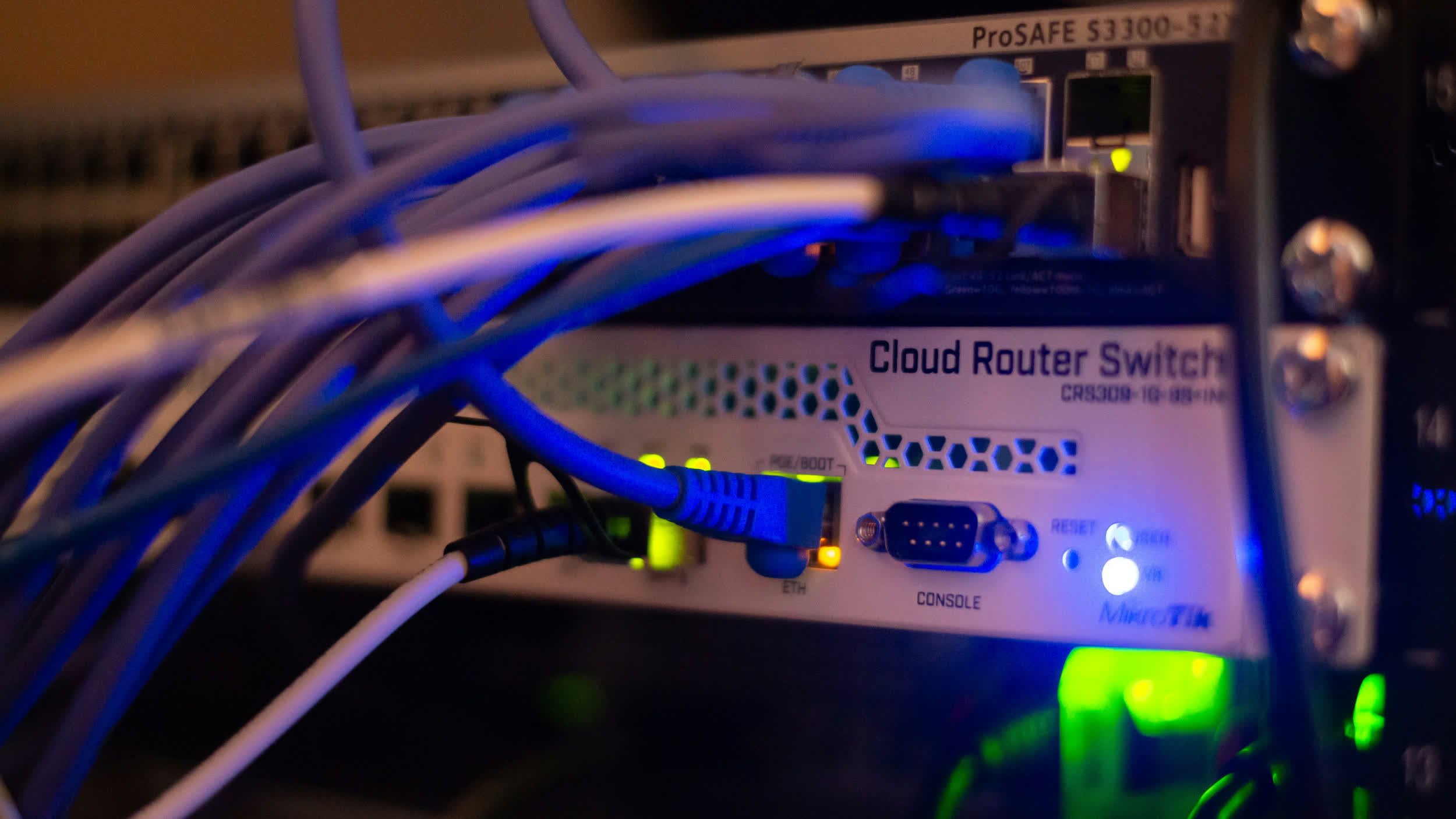
Check Point recently introduced its new Firewall-as-a-Subscription offering, giving organizations access to comprehensive network protection designed for the AI era. The Israeli cybersecurity company says customers no longer need to purchase expensive hardware appliances before getting started with the new platform. However, they'll be locked into monthly or annual payments for at least three years before they can switch to something else.
Put simply, Check Point has turned one of the most basic networking services into a cloud-based subscription – and expects customers to be grateful for it, too. The Firewall-as-a-Subscription service is based on R82.20, Check Point's latest firewall platform, which is designed to provide enhanced protection and management capabilities for bots, chatbots, and AI agents.
The R82.20 platform includes an "agentic console" for managing firewall devices and services. Check Point is using AI-powered technology to fend off AI-powered attacks, a strategy that's becoming a common refrain among organizations facing increasingly aggressive AI agents and bots.
The Firewall-as-a-Subscription package also includes additional features, such as Check Point Force hardware firewalls tailored to an organization's needs, SandBlast's AI-powered threat prevention, and security updates that can be applied on the fly. The company also promises "premium" support, which should mean having a (competent) human employee available to respond to customer support tickets.
Check Point's pitch for subscription-based firewalls revolves around the rising cost of hardware. Organizations are seeing their budgets shrink, while security appliances often go for long periods without significant upgrades. If an up-to-date AI firewall can be bundled into a single subscription with predictable monthly expenses, Check Point suggests, companies will be more inclined to upgrade and take advantage of the latest capabilities offered by its all-in-one R82.20 platform.
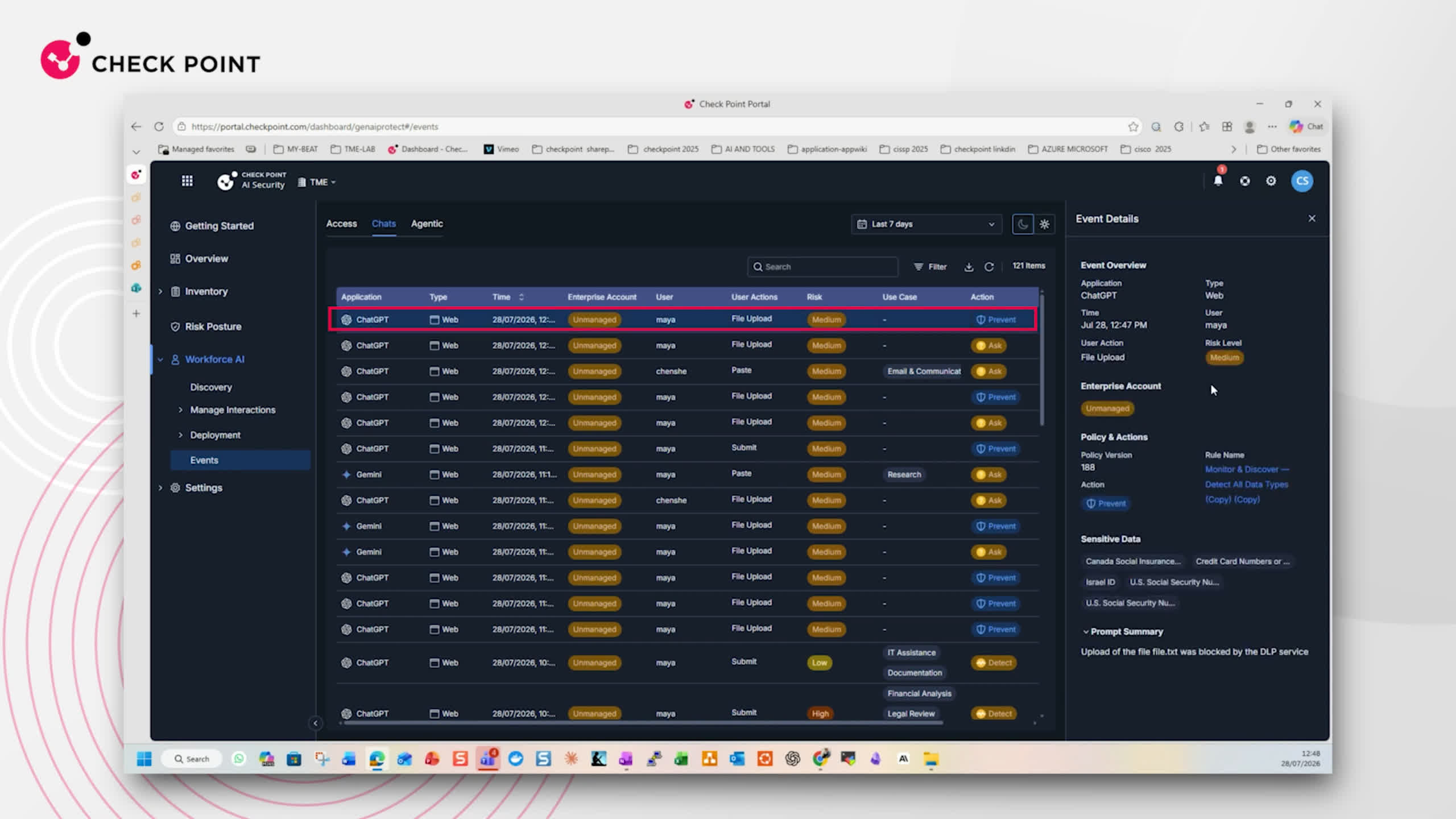
Avi Rembaum, Check Point's president of global technical sales, said that "with Firewall-as-a-Subscription, we are making our most advanced AI security, threat prevention and agentic management available through one simple subscription, so organizations can secure their AI transformation today."
According to the company, customers must commit to the firewall subscription for at least 36 months. In return, they can expect significant feature upgrades – and potentially hardware upgrades – throughout the same period.
Check Point's subscription-based approach to network security might sound bonkers, but AI agents are becoming a real threat that internet services must address one way or another. Big tech companies such as Amazon and Meta are clashing over agents' ability to shop online freely, while Nvidia is proposing a safety platform to keep rogue AI agents in check. AI agents are hammering servers at some of the internet's most popular services, including Wikipedia. Meanwhile, someone in Delaware thinks letting AI agents run entire companies sounds like the best idea in the world.
Check Point is turning network firewalls into cloud-based subscriptions


