EPA approves road construction project in Florida that will use radioactive byproduct

Skye Jacobs

Posts: 2,000   +58
Staff
What just happened? The Environmental Protection Agency (EPA) has granted preliminary approval for a pilot project allowing Mosaic Fertilizer, LLC to construct a road using phosphogypsum – a radioactive byproduct of fertilizer production – on its property in New Wales, Florida. This decision has sparked concern among environmentalists and raised questions about potential health and environmental hazards.
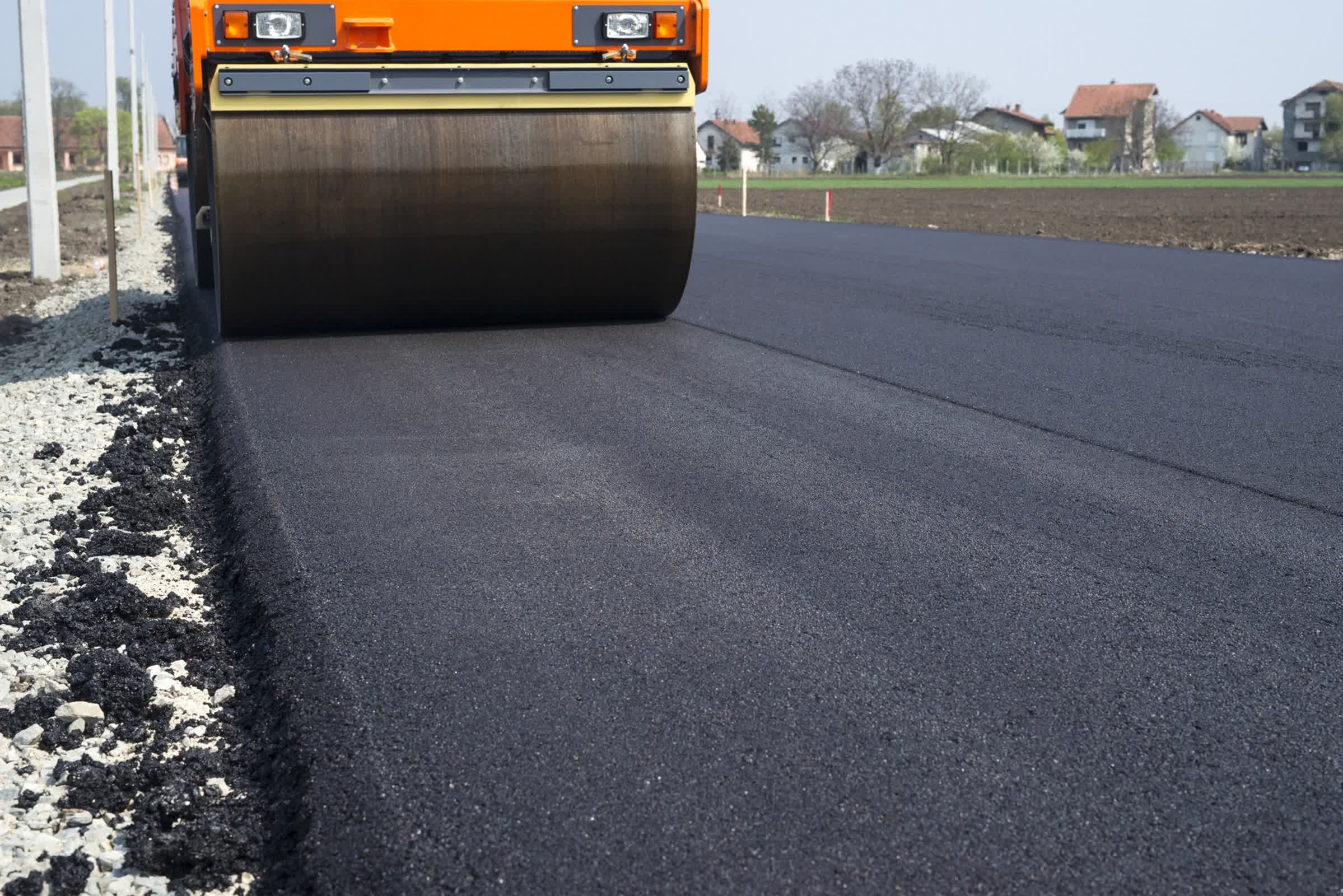
Phosphogypsum contains radium, which decays into radon gas. Both are radioactive and known carcinogens, according to the EPA. Historically, the agency has opposed using phosphogypsum in road construction due to the risks it poses to construction workers and future residents living near such roads.

But the EPA claims that public exposure to the road will be limited. However, Mosaic has described this effort as part of a broader initiative to "demonstrate the range of ... road construction designs," suggesting that this could be a stepping stone towards more widespread use of phosphogypsum in road construction.

As billions of tons of phosphogypsum accumulate, particularly in states like Florida, the search for solutions remains contentious. While some see potential in repurposing the material, opponents argue it poses significant public health risks.

The pilot project involves constructing four test road sections, each 500 feet long and 24 feet wide, using phosphogypsum from the New Wales South stack. These sections will contain up to 50% phosphogypsum by weight in a single 10-inch road base layer. For comparison, four control sections without phosphogypsum will also be built.

Environmental groups strongly oppose the EPA's decision. Ragan Whitlock, an attorney with the Center for Biological Diversity, called the approval "mind-boggling," citing concerns about risks to road crews and water quality. Whitlock accused the EPA of caving to pressure from the phosphate industry, potentially opening the door to widespread use of hazardous waste in roads nationwide.
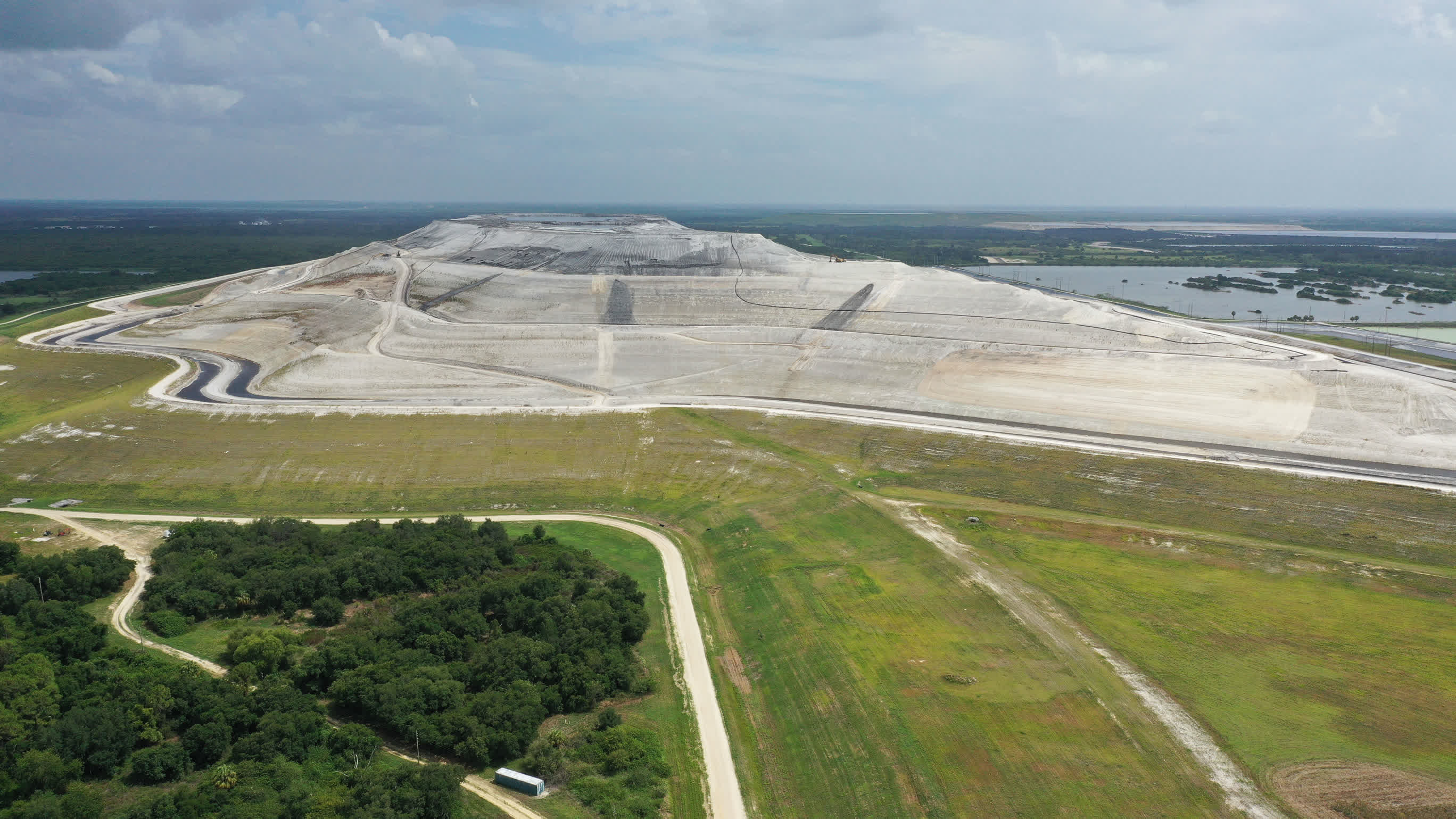
EPA's timing has also raised eyebrows. A request for public comment on the project was issued on October 9, just hours before Hurricane Milton was expected to make landfall in the Tampa Bay area as a Category 5 storm. This timing was particularly concerning given the history of environmental issues associated with phosphogypsum stacks during severe weather events.

In fact, days after Hurricane Milton struck as a Category 3 storm, Mosaic reported that contaminated water had been discharged from its Riverview site into Tampa Bay due to excessive rainfall. This incident underscores the ongoing environmental challenges associated with phosphogypsum storage.

The EPA's decision marks a departure from its 1992 stance, which deemed phosphogypsum use in road construction an unacceptable public health risk. Since then, regulations have required phosphogypsum to be stored in stacks on private land due to its cancer risks and other health hazards from radon emissions.

Although the EPA insists the risk from this specific project is "extremely low," critics argue it sets a dangerous precedent for future use of phosphogypsum in public infrastructure.

Permalink to story:

 
Give us the numbers so that we can make an educated decision. Crying wolf over something merely on the basis that it’s radioactive won’t move the conversation anywhere. Almost everything is radioactive - to a degree. This degree is the whole point.
 
Radon is everywhere. Some high concentration areas need house inspections to make sure it’s not building up internally. I guess cementing it into the road would not be much different than allowing it to naturally escape into the air, and would also prevent excessive wash off during a hurricane. That said, it’s also nice not to live in Florida where this is an issue…
 
So in other words, they want to turn a loose radioactive waste byproduct into a less loose pavement, which should in theory slow the contamination of the environment especially when compared to just leaving it in huge piles in a State already so prone to hurricanes. Not a terrible idea, on paper.
 
Give us the numbers so that we can make an educated decision. Crying wolf over something merely on the basis that it’s radioactive won’t move the conversation anywhere. Almost everything is radioactive - to a degree. This degree is the whole point.
Let me Google that for you?
"Florida contains roughly 5 – 10 picocuries per gram (pCi/g) of radium while phosphogypsum from Central Florida contains about 20 – 35 pCi/g radium. "

"1 pCi of radium per gram of soil is likely to result in harmful health effects."

"What recommendations has the federal government made to protect human health?
The EPA has set a drinking water limit of 5 picocuries per liter (5 pCi/L) for radium-226 and radium-228 (combined). The EPA has set a soil concentration limit for radium-226 in uranium and thorium mill tailings of 5 picocuries per gram in the first 15 centimeters of soil and 15 picocuries per gram in deeper soil.
The federal recommendations have been updated as of July 1999."

Source: https://wwwn.cdc.gov/TSP/PHS/PHS.aspx?phsid=789&toxid=154

You know they're going to build it before they test it. That's the Conservative way. So do you really even have a choice in the matter?
 
Let me Google that for you?
"Florida contains roughly 5 – 10 picocuries per gram (pCi/g) of radium while phosphogypsum from Central Florida contains about 20 – 35 pCi/g radium. "

"1 pCi of radium per gram of soil is likely to result in harmful health effects."

"What recommendations has the federal government made to protect human health?
The EPA has set a drinking water limit of 5 picocuries per liter (5 pCi/L) for radium-226 and radium-228 (combined). The EPA has set a soil concentration limit for radium-226 in uranium and thorium mill tailings of 5 picocuries per gram in the first 15 centimeters of soil and 15 picocuries per gram in deeper soil.
The federal recommendations have been updated as of July 1999."

Source: https://wwwn.cdc.gov/TSP/PHS/PHS.aspx?phsid=789&toxid=154

You know they're going to build it before they test it. That's the Conservative way. So do you really even have a choice in the matter?
Don't cloud the issue with facts. Hyperbole and gut-feeling are all that matter in today's retarded universe. Armchair experts hath spaken and science is not welcome.
 
You know they're going to build it before they test it. That's the Conservative way. So do you really even have a choice in the matter?
They are literally building it to test it. It's a 500 foot section on private land next to control 500 foot sections.

Maybe read the article before assuming you get to call out your political strawman.
 
People, check your smoke alarms. See how much radioactive material is in smoke alarms. That will scare the heck out of you.
 
Let me Google that for you?
"Florida contains roughly 5 – 10 picocuries per gram (pCi/g) of radium while phosphogypsum from Central Florida contains about 20 – 35 pCi/g radium. "

"1 pCi of radium per gram of soil is likely to result in harmful health effects."

"What recommendations has the federal government made to protect human health?
The EPA has set a drinking water limit of 5 picocuries per liter (5 pCi/L) for radium-226 and radium-228 (combined). The EPA has set a soil concentration limit for radium-226 in uranium and thorium mill tailings of 5 picocuries per gram in the first 15 centimeters of soil and 15 picocuries per gram in deeper soil.
The federal recommendations have been updated as of July 1999."

Source: https://wwwn.cdc.gov/TSP/PHS/PHS.aspx?phsid=789&toxid=154

You know they're going to build it before they test it. That's the Conservative way. So do you really even have a choice in the matter?

If we were to believe the ideal that EVERYTHING we eat, drink, and exposed to will kill us, the only solution is to go back to the pre industrial age living standards. But even that won't solve the problem of background radiation, solar radiation, etc. Especially since your standard is everything above 0 picocuries causes health issues.

I can't believe after everything the federal government has exaggerated, lied about or just made up out of whole cloth over the last few years, we can't wait for the next "existential crisis" to panic over.

Here's the latest info about who decides what radiation is harmful:
https://junkscience.com/2023/06/ema...se-the-health-physics-society-of-lnt-critics/

Typical define the problem, pick the answer you need for your goals, and then write the research that backs you "conclusions". You always get what you want.
 
Last edited:
People, check your smoke alarms. See how much radioactive material is in smoke alarms. That will scare the heck out of you.
Yeah, but that's only dangerous if you sit on one to find out if farts smoke.

I can feel the scorn for this post from here. Still, just because this hasn't happened yet on Tik-toc, doesn't mean that it won't. :rolleyes:
 
They should pave all the roads around Mar-A-Lago with this stuff.
And Ron Disantis' driveway.

Not to mention the economic damage this could do to construction companies involved with street lighting projects..! If the roads glow in the dark, who needs them?
 
So in other words, they want to turn a loose radioactive waste byproduct into a less loose pavement, which should in theory slow the contamination of the environment especially when compared to just leaving it in huge piles in a State already so prone to hurricanes. Not a terrible idea, on paper.

No. They want to make it into powder and dust like current road material turns to....

Only this new stuff, It decays into radioactive gas to.... So not great in a place where you can already smell the roads in the heat. And the kind of radiation that's must harmful if swallowed or breathed in as well...
 
Let me Google that for you?
"Florida contains roughly 5 – 10 picocuries per gram (pCi/g) of radium while phosphogypsum from Central Florida contains about 20 – 35 pCi/g radium. "
Oops! The average banana contains some 3.6 picocuries per gram, meaning this natural substance is about 8 times more radioactive than bananas. But then, you don't tend to eat roads, do you?

BTW, Florida is about the least radioactive state in the country. Some soil radiation levels in Rocky Mountain and New England states are more than 10,000 times higher than Florida levels ... all of it radioactive waste left over from when Mother Nature created the planet.
 
Oops! The average banana contains some 3.6 picocuries per gram, meaning this natural substance is about 8 times more radioactive than bananas. But then, you don't tend to eat roads, do you?

BTW, Florida is about the least radioactive state in the country. Some soil radiation levels in Rocky Mountain and New England states are more than 10,000 times higher than Florida levels ... all of it radioactive waste left over from when Mother Nature created the planet.

Now, now, let's not confuse the leftists with actual science...they never got beyond Scientology.
 
Give us the numbers so that we can make an educated decision. Crying wolf over something merely on the basis that it’s radioactive won’t move the conversation anywhere. Almost everything is radioactive - to a degree. This degree is the whole point.

I've noticed a lot of articles do this, not just from here but almost everywhere, they leave out all of the comparable numbers making it impossible to come to a solid conclusion looking at the article alone.
 
No. They want to make it into powder and dust like current road material turns to....

Only this new stuff, It decays into radioactive gas to.... So not great in a place where you can already smell the roads in the heat. And the kind of radiation that's must harmful if swallowed or breathed in as well...

The gas is only an issue in buildings because it sits there building up in a building that you're living in. Outdoors it naturally dissipates.
 
Oops! The average banana contains some 3.6 picocuries per gram, meaning this natural substance is about 8 times more radioactive than bananas. But then, you don't tend to eat roads, do you?

BTW, Florida is about the least radioactive state in the country. Some soil radiation levels in Rocky Mountain and New England states are more than 10,000 times higher than Florida levels ... all of it radioactive waste left over from when Mother Nature created the planet.

Location probably matters too. Like it might not make sense to use this in a city where buildings all around can trap the radon gas and where you're more likely to have someone who's homeless directly laying on it. But a highway where it's free to dissipate and no one is spending significant time in contact with would likely have zero impact.

But we won't know till we test it. Which from the sounds of this this is a test complete with controls.
 
Location probably matters too. Like it might not make sense to use this in a city where buildings all around can trap the radon gas
Granite countertops emit radon gas. The granite in NY's Grand Central Station is, because of where it was mined, more radioactive than PG (this phosphogypsum road material). And these are indoor locations where radon gas can accumulate -- outdoors on a road surface, it's essentially impossible to get non-negligible radon doses.

Some numbers: radium & radon are alpha emitters; they give essentially no exposure unless ingested or breathed in. If you ate PG, it'd be eight times more radioactive than a banana, or 4 times more than Brazil nuts. But salt substitute is some 15 times more radioactive than this PG material -- and you can buy it in your supermarket and slather your food with it.

Since eating PG is unlikely, a dose model would be based on handling assumptions -- workers continually exposed to the material would likely result in doses of ~5 mrem/year, whereas ordinary citizens perhaps 1/10000 that amount.

Florida residents generally get a dose of around 200 mrem/year from background sources (lowest in the nation). A resident of Denver will get closer to 750 mrem/year -- meaning if you move from Miami to Denver, you're dosing yourself an additional 500+ mrem/year. A few areas in the US are as high as 1,500 mrem, and elsewhere in the world (Brazil, Iran, India) there are regions of up to 4,000 mrem/year ... all of which have residents not experiencing high cancer rates.

A one-time simultaneous dose of 25,000 mrem (25 rem) will increase by 1% your lifetime cancer rate. We generally use a linear exposure model, meaning a 5 mrem dose would give a 1/5000 of that. The problem is that we know indisputably this linear model is wrong -- there is substantial evidence that very small radiation doses over time decrease cancer risk ... but we still use the model regardless, as a "worse than worst-case" scenario.
 
So we go from 500 feet to 500 miles.
With thousands of vehicles driving on it daily.
Roads wear down so the radon is no longer encased?
Vehicles traveling at 50-80 mph generate a lot of wind, too.

Next step: 2 million miles of roadway all over the country--and Lots More Vehicles.
When does it become too much Radon is being dissipated into the atmosphere?

Maybe the real answer is a better fertilizer?
 
Back