
Forward-looking: As wildfires grow larger each year, fire departments and other organizations are seeking new tools to support firefighters' efforts. Several US departments are exploring autonomous drones, which could enable new, more flexible strategies for extinguishing smaller fires before they become more serious.
A California company recently began demonstrating a system that allows firefighters to direct autonomous drones to combat wildfires. While departments already use observation drones, deploying them to fight fires directly remains an unexplored tactic.
Unmanned drones do not have anywhere near the range or water-carrying capacity of water bomber aircraft used to combat large fires, but they could help contain potentially dangerous blazes soon after they are spotted. That crucial early phase is the focus of Seneca's next-generation UAS system.
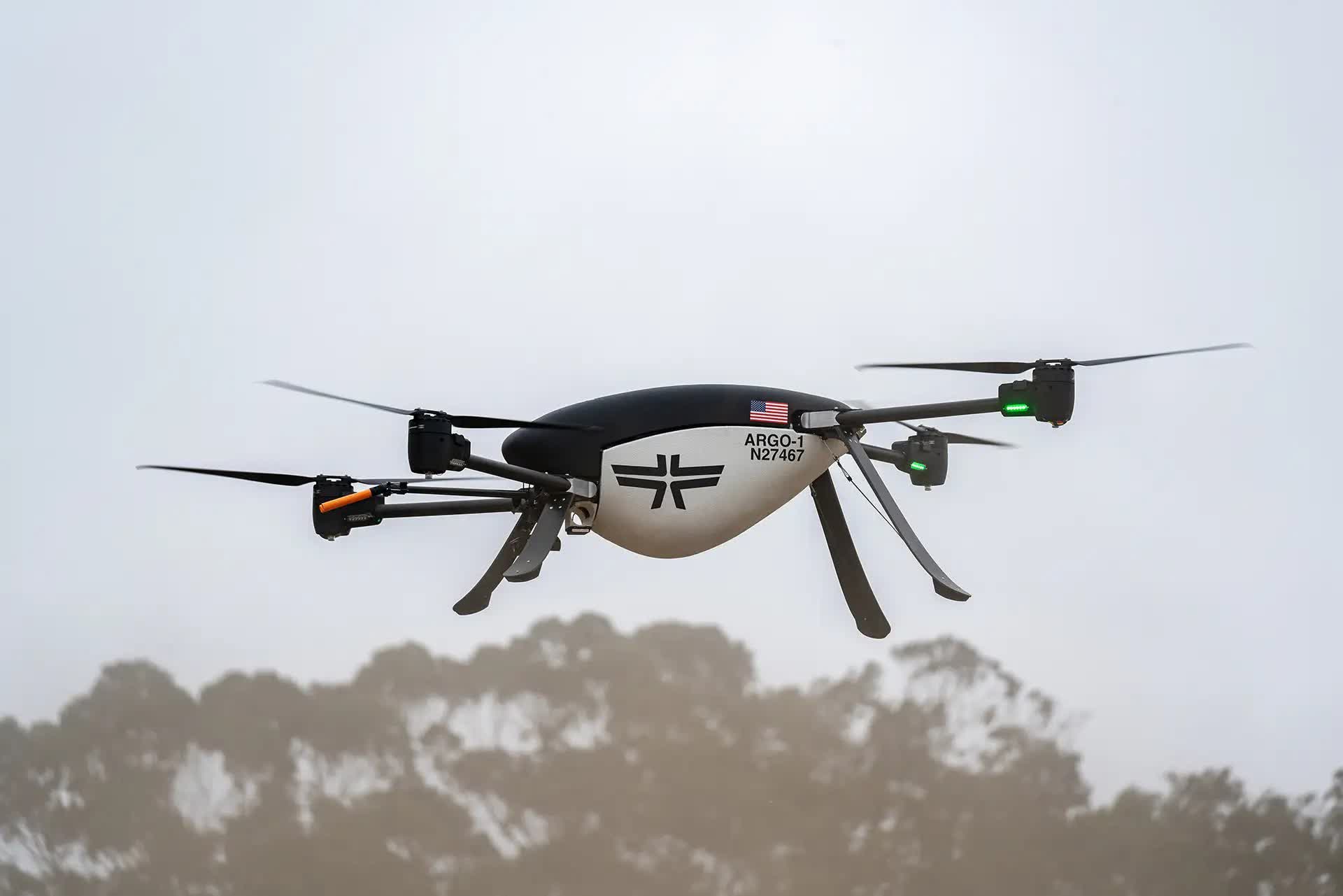
The San Francisco company recently drew the attention of fire services in California, Montana, and Utah with a system that directs a squadron of five firefighting drones with minimal human intervention. Each drone carries about 100 pounds of water or fire retardant and has a round-trip range of up to 10 miles. The range can extend to 20 miles, depending on the distance between the fire and the drone's base station.
Once cameras, lookout sensors, or a 911 caller detect a fire, firefighters can upload a GPS waypoint to the drones via an app and launch them from a towed platform. While firefighters do not steer the drones directly, they can tell them where to fly and which areas to avoid. The drones reach an average speed of around 30 mph and fly a few dozen feet above the ground – high enough to avoid ground obstacles but low enough to avoid interfering with air traffic.
When the drones arrive, they attack the blaze in succession before returning to base. There, a single technician can refill each drone, swap in a freshly charged battery, and prepare it to return to the fire within minutes. Once firefighters arrive at the scene, they can determine whether subsequent attack runs are necessary.
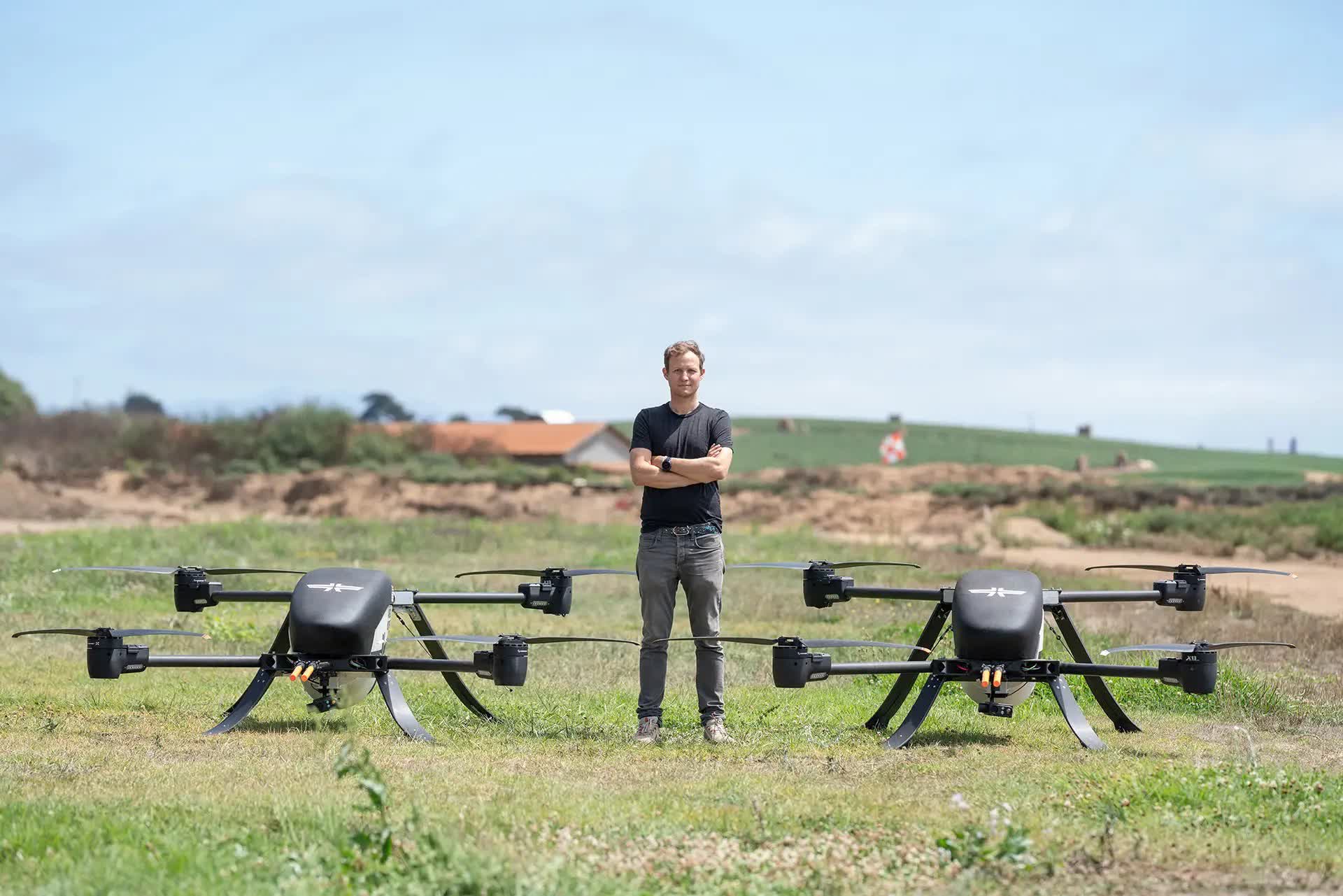
Seneca designed the drones to extinguish fires at the highest risk of becoming serious within 10 to 15 minutes of their initial discovery, which is often the most crucial window for stopping them from spreading. The system is also far cheaper than scrambling helicopters and can reach difficult, steep terrain more easily than firefighters can.
Meanwhile, XPRIZE recently held a competition focused on designing firefighting drone systems. Former US Fire Administrator Dr. Lori Moore-Merrell noted that the technology represents an inflection point that public policy, supply chains, and operational standards must catch up with.
Fire departments are testing autonomous drones that fight wildfires before crews even arrive


