The takeaway: Ford Motor Company has launched a new program that lists its certified pre-owned vehicles on Amazon's automotive sales platform, allowing buyers in select cities to begin the car-buying process online and pick up their purchase at a participating dealership. The approach leverages Amazon's vast digital marketplace while ensuring that customers still interact with Ford's franchised dealer network for the key steps of the sale.

The system allows users to arrange financing, complete initial paperwork, and secure a vehicle for pickup – all online – although final signatures and delivery are handled at the dealership in accordance with state regulations and longstanding automotive retail practices.
Unlike Amazon's earlier partnership with Hyundai, which focused on new vehicles, Ford's program centers on the certified pre-owned segment. Each CPO vehicle undergoes inspection, refurbishment, and manufacturer-backed certification, resulting in offerings that include warranties and quality guarantees typically associated with new cars.
Ford is introducing three distinct levels of certification, each with different warranty options and inspection standards. However, all vehicles in the program will be covered by a 14-day or 1,000-mile return guarantee.
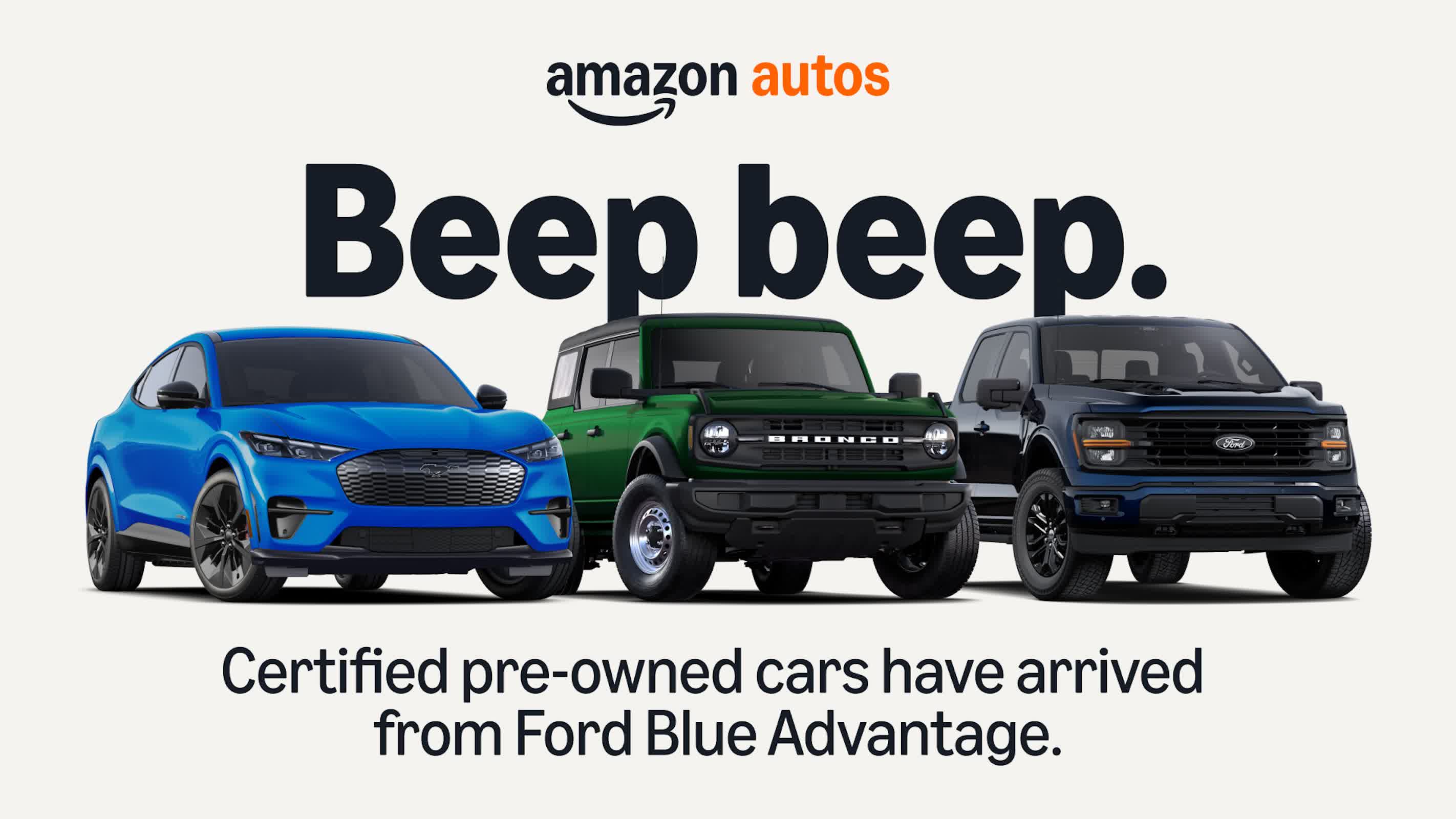
Shortly after the announcement, Ford confirmed that more than 160 of its approximately 2,900 franchised retailers had enrolled in the Amazon pilot, although only a small cohort – around a dozen – had completed onboarding before the public launch. The rollout is initially limited to major urban markets, including Los Angeles, Dallas, and Seattle, but both companies plan to expand the program to additional cities over the coming months as dealerships integrate Amazon Autos into their operations.
As digital vehicle purchasing gains traction, Amazon has steadily expanded its automotive presence. Earlier this year, it began working with rental giant Hertz to list used vehicles for sale on its platform, further blurring the line between traditional car retail and direct-to-consumer online sales.
These partnerships illustrate Amazon's gradual but determined push into the auto market, adapting its established e-commerce infrastructure to an industry long constrained by regulatory complexity and entrenched dealer networks.
Franchise dealerships remain essential to automakers like Ford, as state laws in many jurisdictions prohibit direct sales of new vehicles to consumers. These requirements help protect dealer networks and shape how and when manufacturers can experiment with online sales models. The rules around used-car sales are generally more permissive, allowing companies such as Carvana and, now, Amazon Autos to facilitate direct-to-consumer transactions with fewer legal hurdles.


