
In brief: Game Pass has transformed how millions of people access games, and Microsoft says the subscription service has generated billions in revenue. It has also drawn criticism from developers, some of whom question its long-term sustainability. A former Bethesda marketing executive recently highlighted how subscription services affect content creators.
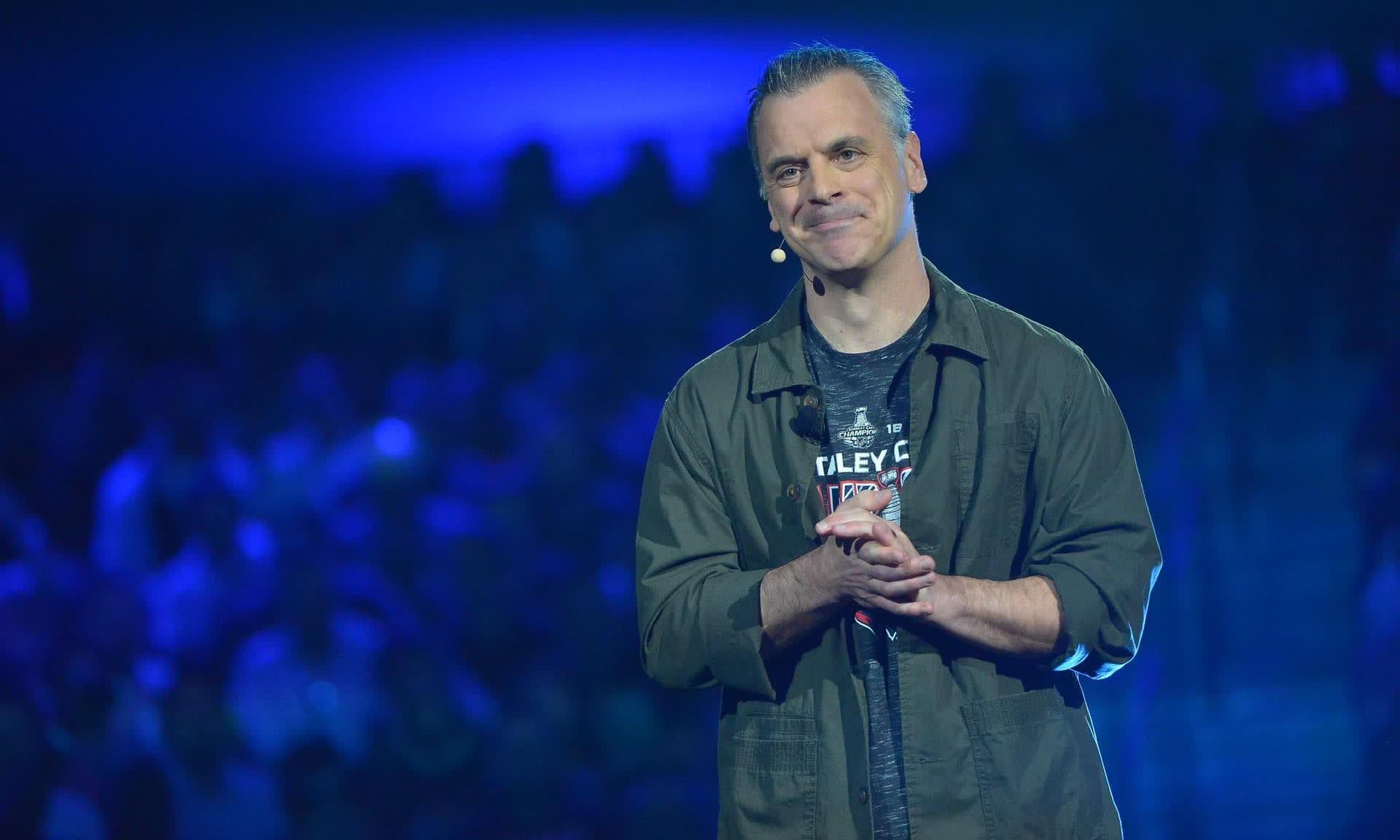
Pete Hines, a former marketing executive who spent 24 years at Bethesda, recently expressed concern about the relationship between developers and subscription services like parent company Microsoft's Game Pass. He is not the first senior industry figure to question the business model.
In a lengthy interview with DBLTap, Hines emphasized the need to balance the priorities of subscription services with those of the developers creating the games they feature. He suggested that insufficient compensation and recognition are creating tension, as the subscription model fails to value or reward their work adequately.

The former vice president of marketing and communications compared Game Pass to music subscriptions like Spotify. Calling it the artistic equivalent of search engine optimization, he noted that musicians now create shorter songs with immediate hooks to capture audiences with shrinking attention spans, warning that games could face a similar fate.
"[Kids] think every game should be a forever game, updated until the developers turn into a Fallout skeleton," Hines said.
His comments add to the existing scrutiny of gaming subscription services.
In July, Raphael Colantonio, founder of Bethesda subsidiary Arkane, claimed that Microsoft is subsidizing an unsustainable project incompatible with other business models. The company later reported that Game Pass revenue reached nearly $5 billion, without noting profits. Colantonio expressed concern that Microsoft could eventually raise subscription prices – which it has – and degrade the service to boost profitability.
Hines also suggested that the subscription model may have influenced Microsoft's decision to close Tango Gameworks (later revived by Krafton) and Arkane's Austin studio. The latter's final game, Redfall, launched on Game Pass to a cold reception. Microsoft, by contrast, considered Hi-Fi Rush a success after it reached three million players. However, Hines rightly points out that attracting three million players differs from selling three million copies. He also shed light on some of Bethesda's decisions during his tenure, which spanned from October 1999 to his retirement in 2023.
For example, he noted that Microsoft shadow-dropped Hi-Fi Rush following the company's unsuccessful marketing efforts for Arkane's Prey. He was against reusing the title "Prey," which was already associated with a 2006 first-person shooter and a canceled sequel (for which gameplay footage recently emerged), because its baggage drew attention away from Arkane's unique project.
"Look how much time we spend talking about what the game is versus why it's called this, and like, that is wasted energy," he said.
Bethesda also ignored marketing advice before launching the last three mainline Elder Scrolls titles. Detractors warned against releasing Elder Scrolls IV: Oblivion in May and against launching Elder Scrolls V: Skyrim in the fall, where it would compete with Call of Duty. Skyrim eventually sold tens of millions of copies.
Former Bethesda exec suggests Game Pass insufficiently compensates developers
 who signed those contracts?


