Prompt Forever: FreeDOS is a free operating system designed to be a competent replacement for MS-DOS and other prompt-based operating systems. The project still has to achieve perfect compatibility with Microsoft's DOS, but plans are underway to add some major functionalities over the next few years.
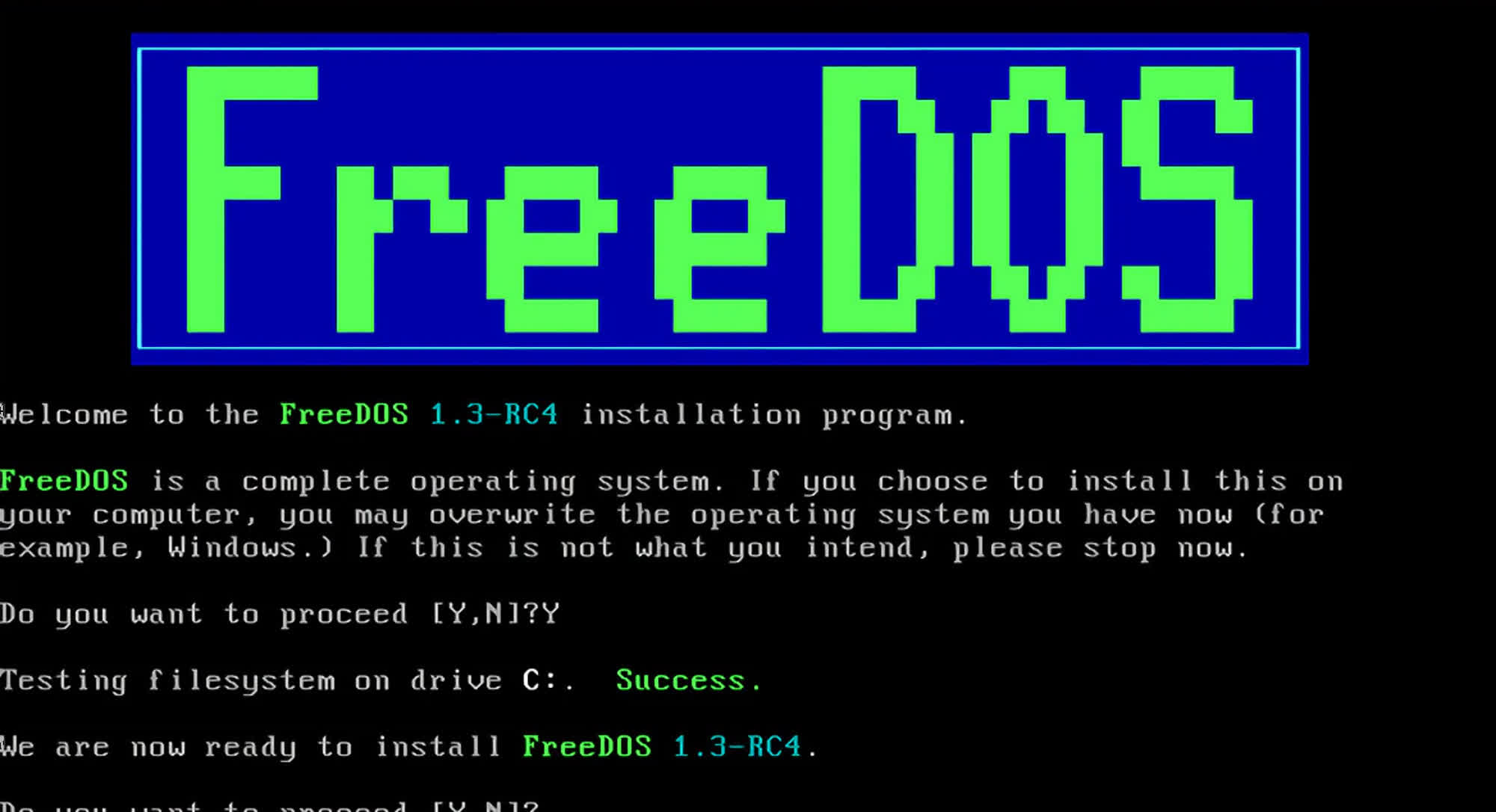
Computer programmer and free software advocate Jim Hall started FreeDOS in 1994, when Microsoft shipped the last version of MS-DOS (6.22) and decided to focus exclusively on Windows development. After 30 years, the command prompt as the main way of interacting with the PC is long gone, but FreeDOS keeps on slowly releasing new builds for retrogaming and retrocomputing enthusiasts.
Hall talked with Ars Technica to spill a few secrets about the project and reveal what's in store for the future. He said people are still interested in the command prompt and FreeDOS, although this interest is essentially the same as ten years ago. New users are now finding and interacting with FreeDOS as their "first" textual operating system, asking for help about using this now obsolete computing paradigm.
FreeDOS can be used to run legacy applications and DOS games in a virtual machine; modern PCs using the UEFI firmware instead of the BIOS have made it increasingly difficult to run the OS as a properly-installed, bare-metal computing experience. FreeDOS also works well on newer, pricey retro-systems such as Pocket 386 or Book 8088, though they cannot provide enough hardware capabilities and CPU power to enjoy the latest games and software products released in the mid nineties, such as Doom.
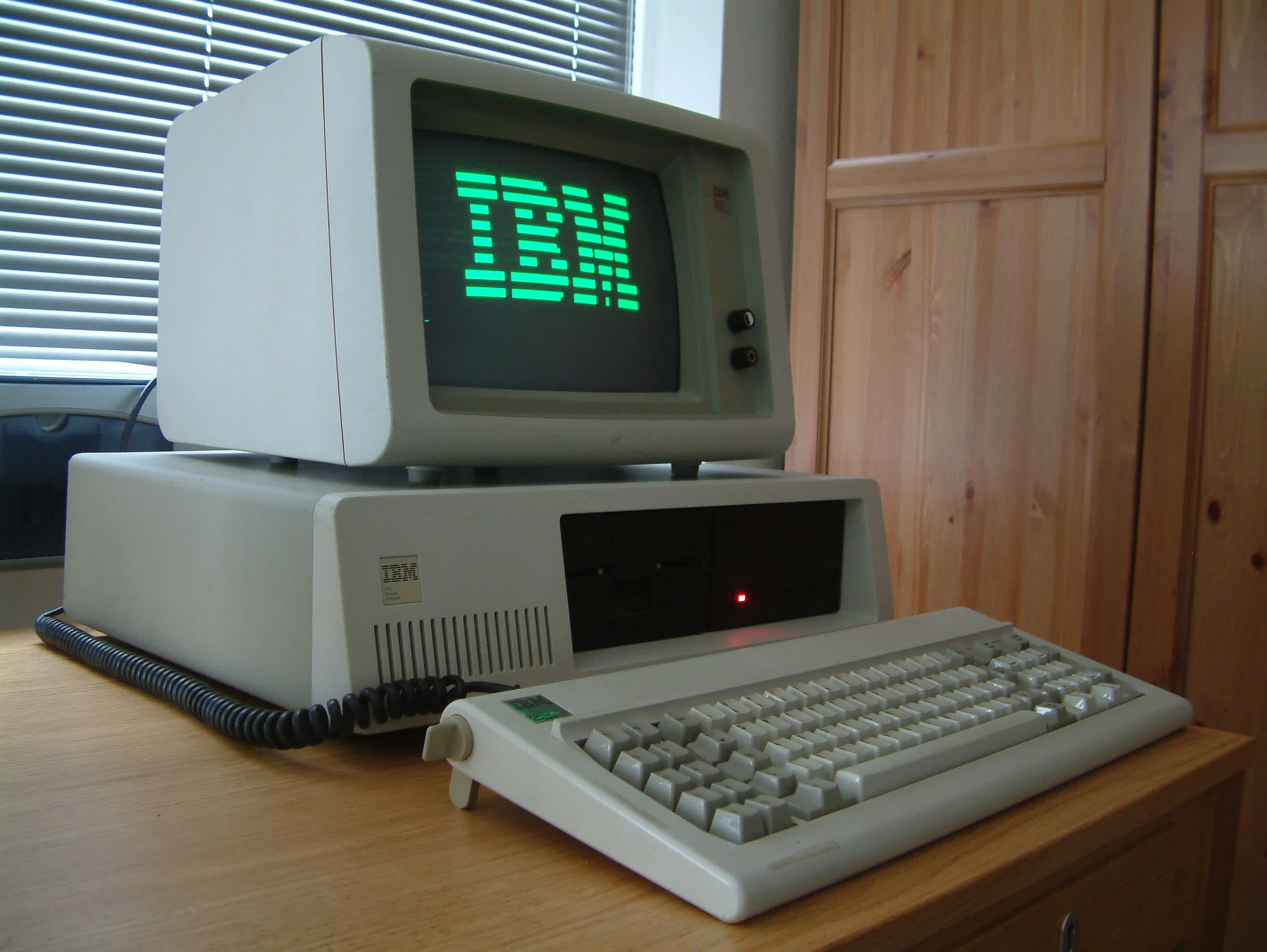
FreeDOS must retain compatibility with the "core" DOS kernel, Hall confirmed, which means that it will always need a way to directly interact with hardware peripherals and ports through "BIOS calls."
If the UEFI firmware doesn't provide some compatibility with BIOS, there is essentially no way to install and run a satisfying (Free)DOS experience outside a virtual machine or a complete emulator such as DOSBox, PCem, or 86Box.
The FreeDOS development team Hall leads recommends running the OS in a virtualized environment, as hypervisors and emulators can provide the BIOS calls the system needs to retain full MS-DOS compatibility. Most people aren't interested in using FreeDOS on a newer, powerful PC system, he said, and many FreeDOS users will likely try to run the OS on an older, obsolete system anyway.
The latest version of FreeDOS (1.3) was released in 2022, and the project is still evolving. Developers are now testing some of the features that could become part of FreeDOS 1.4, which mostly include important bug fixes and updated utilities.
Hall said that a future FreeDOS release would add full compatibility with Windows 3.1 and 3.11, two "operating environments" designed to run on top of DOS that still aren't fully supported by the project. The developer created FreeDOS to stay away from Windows, but the ability to run Windows 3.x in "386 Enhanced" mode is seemingly one of the most common requests still coming from FreeDOS fans.


