In context: The demands for disclosure set the stage for months of scrutiny. For companies banking on chatbots as key growth products, the regulator's questions strike directly at how those businesses operate, how they profit, and how well they can defend children against the risks embedded in conversational AI.

Federal regulators are demanding answers from several of the largest artificial intelligence companies as concerns mount over the risks chatbots pose to young users. The Federal Trade Commission issued sweeping information requests on Thursday to OpenAI, Meta, Google, Elon Musk's xAI, and several smaller firms, including Character.ai and Snap, seeking details on how their chatbot systems function, how they design personas, and what safeguards are in place to prevent harm.
The inquiry comes amid a string of high-profile lawsuits and growing public scrutiny over AI chatbots' potential role in teenage suicides. Last month, the family of 16-year-old Adam Raine filed suit against OpenAI, claiming its chatbot discussed suicide methods with the boy before his death. Another lawsuit accuses Character.ai of contributing to a separate teen suicide, centering on the platform's interactive personas.
The FTC emphasized the need to examine whether these systems foster unhealthy emotional dependence. Officials noted that many chatbots explicitly mimic a friend or confidant, which can blur boundaries for children and teens.
"AI chatbots can effectively mimic human characteristics, emotions, and intentions," the Commission said.
The crackdown comes at a moment when lawmakers and state attorneys general are also pursuing investigations into how chatbots expose young people to sexual material, mental health triggers, and privacy risks. The FTC said it wants to know not only how the companies develop and promote these services but also how they monetize user engagement and safeguard the data collected from personal conversations.
Chair Andrew Ferguson said the FTC considers online child protection a central focus.
"As AI technologies evolve, it is important to consider the effects chatbots can have on children," Ferguson said.
Fellow Commissioner Mark Meador pointed to rising reports worldwide of chatbots exacerbating suicidal thoughts and stressed that the Raine case is not isolated.
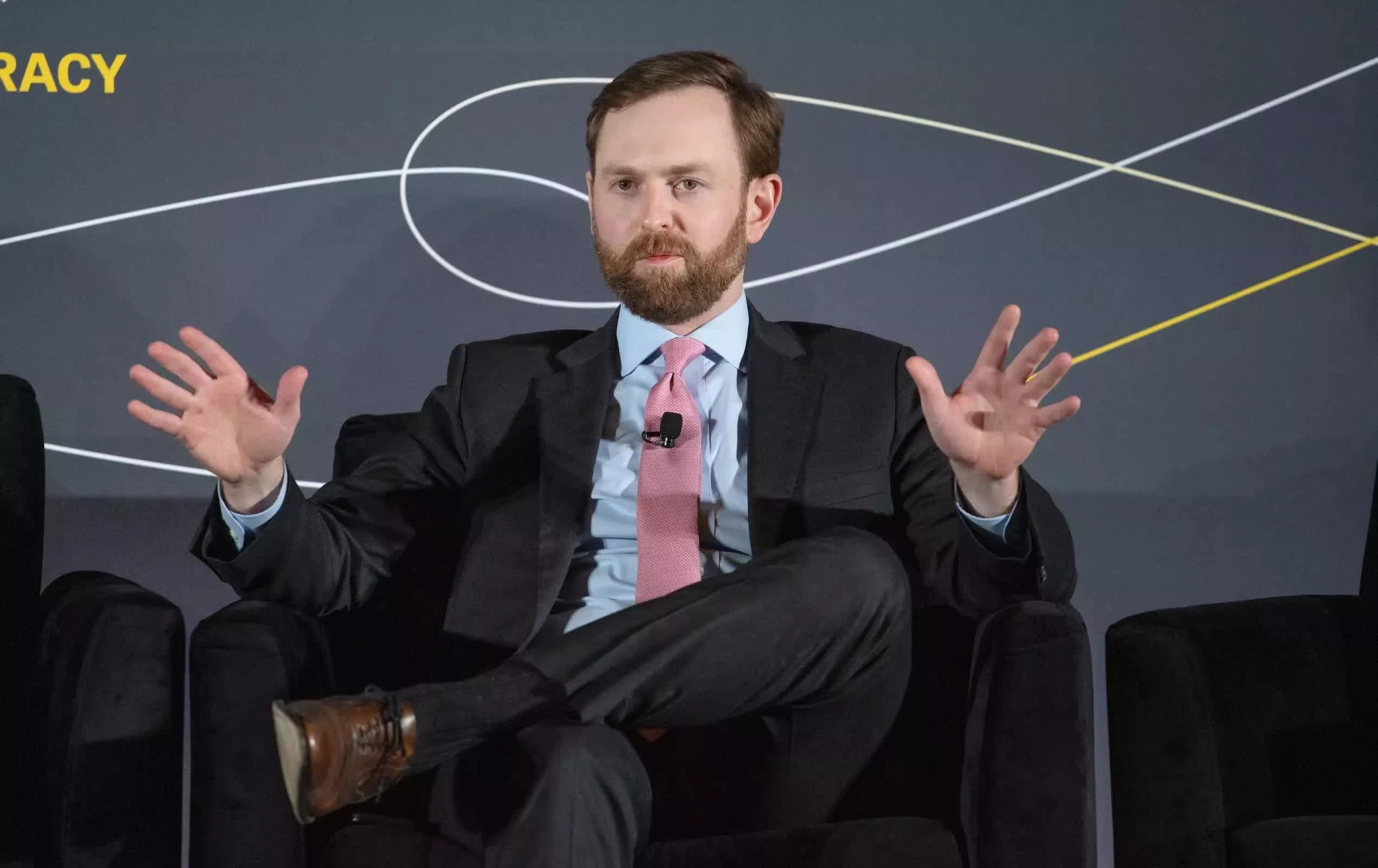
FTC Chair Andrew Ferguson
The targeted companies responded with varying degrees of openness. OpenAI said it intends to cooperate fully with the inquiry, emphasizing it has already introduced expanded protections for teenagers following the Raine lawsuit.
"Our priority is making ChatGPT helpful and safe for everyone, and we know safety matters above all else when young people are involved," the company said.
Character.ai said it is willing to collaborate with the FCC, noting safety measures such as a youth mode that restricts inappropriate content and in-chat disclaimers reminding users that AI characters are fictional. Snap said it maintains strict safety and privacy standards and supports careful oversight of generative AI.
Meta and Google declined to comment on the matter. Elon Musk's xAI did not respond to the Commission's notice.
Meta has faced particular criticism after a Reuters report revealed internal company policies previously allowed its AI chatbots to engage in "romantic" or "sensual" conversations with minors. The disclosure prompted bipartisan outrage in Washington. Meta said the documents misrepresented its standards and announced new interim safeguards to prevent chatbot systems from engaging teenagers in romantic discussions altogether. Meta CEO Mark Zuckerberg has also promoted the idea of "AI friends," citing research showing many Americans have few close companions and suggesting chatbots could help fill that gap.
The inquiry is part of a broader push by the FTC to hold Big Tech companies accountable on multiple fronts. In addition to consumer protection, the agency has escalated antitrust enforcement cases, including a pending trial accusing Meta of maintaining an unlawful monopoly. The AI chatbot probe represents another line of pressure, signaling that regulators view the potential harms of generative AI as an urgent public matter not separate from the agency's established technology oversight.
FTC investigates OpenAI, Meta, Google over potential chatbot harm


