First look: Nvidia and Google are tightening their collaboration in cloud gaming with the introduction of GeForce Now Fast Pass, a new service tier created specifically for Chromebook users. The plan brings PC-level game streaming to lightweight laptops that usually lack the hardware needed for demanding titles.

GeForce Now Fast Pass mirrors much of the functionality found in Nvidia's existing free tier. It gives users access to more than 2,000 "Ready to Play" games that can be streamed directly from their existing Steam, Epic Games Store, or Xbox accounts.
The key difference is that Fast Pass removes all ads and lets users skip the usual waiting queue before sessions begin. Under the current free plan, users often wait more than two minutes before a stream starts.
Fast Pass also adds a monthly usage ceiling. Chromebook owners can stream up to 10 hours per month for free on new laptop purchases, with unused time rolling over for as many as five additional hours. Once that limit is reached, gaming access pauses until the next month begins.
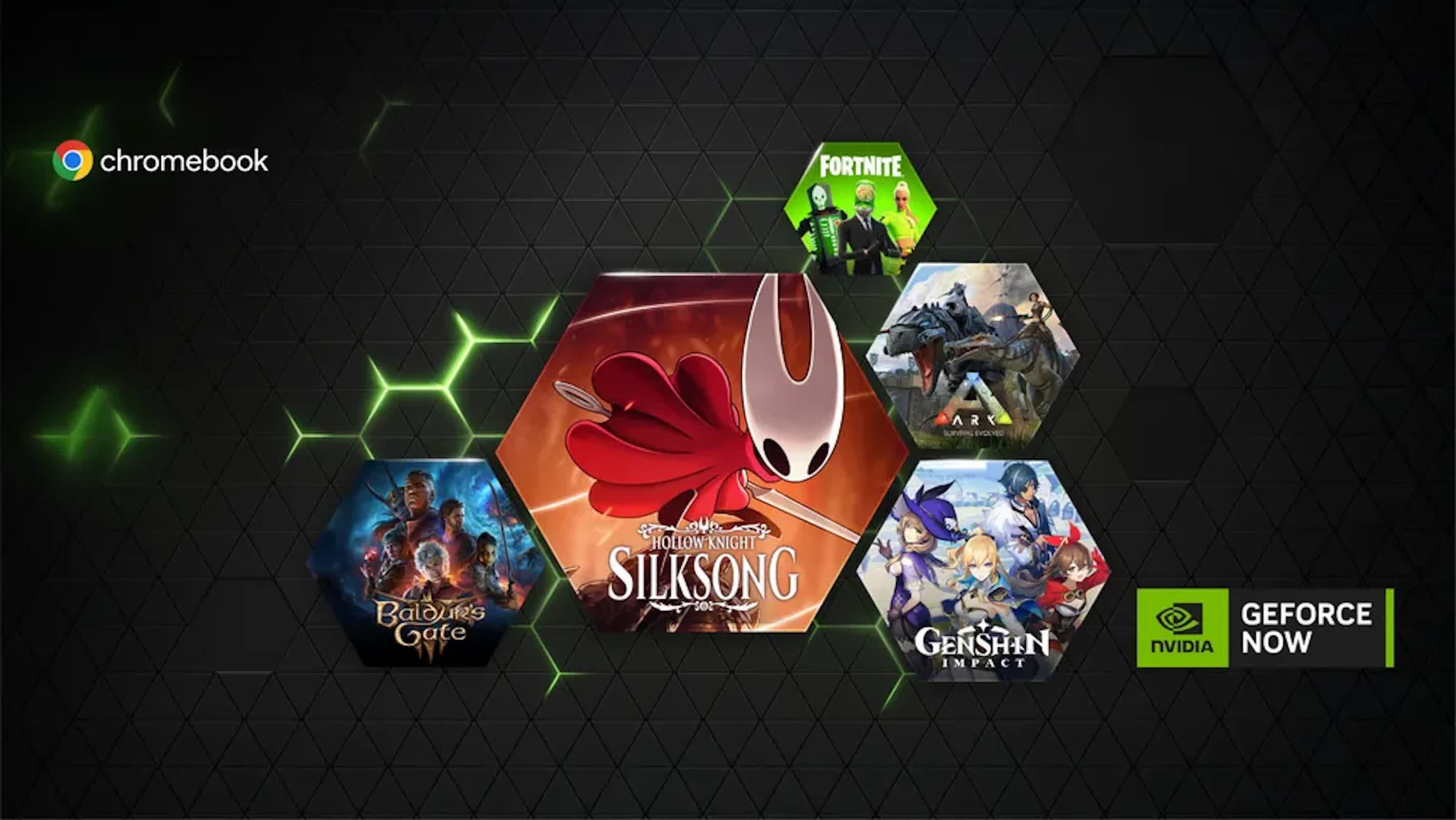
Nvidia's higher-end subscription options, which start at $9.99 per month, expand both performance and availability. They offer higher frame rates, up to 1440p resolution, RTX ray tracing, and access to additional "Install to Play" titles. These games require pre-installation on Nvidia's data center servers before streaming can begin.
Google confirmed that every new Chromebook purchase now includes a one-year Fast Pass membership at no extra cost. The offer effectively positions Chromebooks as entry level gaming devices in Nvidia's expanding GeForce Now ecosystem. It also aligns with Google's recent effort to highlight performance and versatility across its Chrome OS platform.
For Nvidia, the partnership potentially extends its reach beyond enthusiast-level PC gamers and into the education and productivity markets where Chromebooks tend to present. It also advances the company's goal to shift cloud gaming from a niche service to a standard feature for internet connected hardware.
For Google, it gives Chromebooks new relevance in a segment that has long been defined by performance tradeoffs. Although the Fast Pass tier imposes stricter playtime limits than Nvidia's paid plans, its ad free access and immediate session starts could encourage adoption in places where interest was previously low. It also serves as testing ground for how bundled cloud gaming tiers might fit into everyday computing environments.
GeForce Now Fast Pass turns budget Chromebooks into capable cloud gaming machines


