What just happened? GlobalFoundries, now owned by the United Arab Emirates, is undergoing a significant transformation that will bring more chip design capabilities in-house through a notable new acquisition. The company recently announced an agreement to acquire MIPS, the pioneering fabless design firm that developed the seminal MIPS architecture – a RISC-based instruction set adopted by many companies in the 1980s for their own chip designs
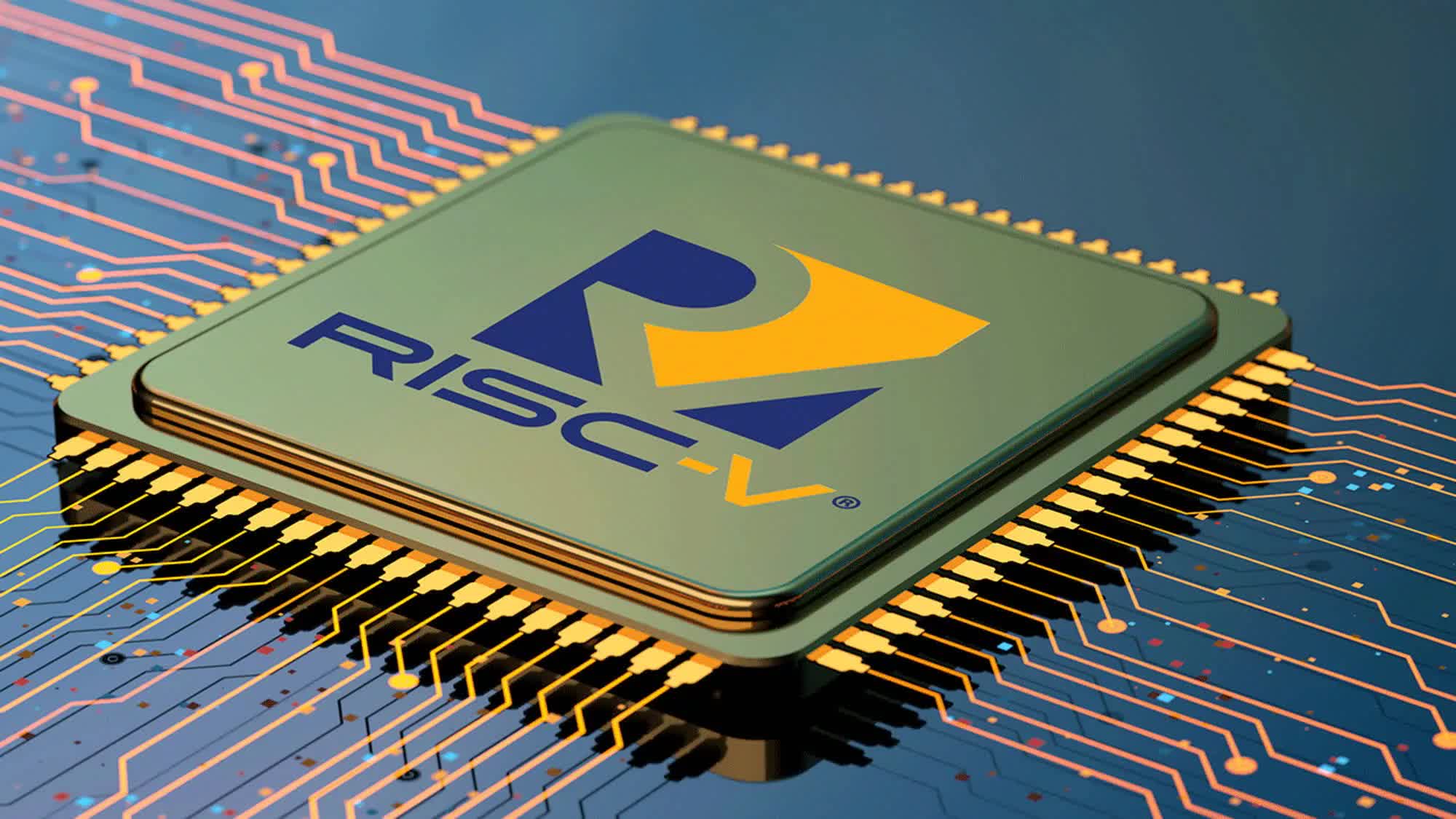
In 2021, MIPS announced it was ending development of its proprietary architecture to focus exclusively on open source RISC-V technology.
According to GlobalFoundries, MIPS' RISC-V-based designs are a key driver behind the acquisition. The company's current portfolio includes the Atlas series of computing cores, built for real-time application processing. It has also developed specialized cores for artificial intelligence processing on edge devices, along with the Atlas Explorer virtual platform for chip design optimization.
GlobalFoundries plans to leverage MIPS' expertise to expand its portfolio of custom, flexible chip solutions, with a particular emphasis on industrial, automotive, and data center applications. MIPS technology is well suited for performance-critical workloads, said GlobalFoundries COO Niels Anderskouv, and aligns strategically with rising demand for AI platforms across various markets.
While the original MIPS architecture is no longer in active development and RISC-V is now the preferred technology for new chip designs, MIPS is still leveraging its proprietary IP to enhance the open source ISA. The company draws on a 40-year legacy in RISC computing, with notable innovations such as advanced multithreading capabilities.
According to GlobalFoundries, MIPS is well-positioned to drive the adoption of "physical AI" solutions in robotics and automotive applications.
Nvidia explains that physical AI brings modern artificial intelligence innovations to autonomous systems such as robots and self-driving cars. The technology can "perceive" and perform complex actions in the real, physical world, and GlobalFoundries is especially interested in selling custom chips to companies working in the space.
The MIPS acquisition is expected to close in the second half of 2025 for an undisclosed sum, pending unspecified closing conditions and regulatory approvals.
GlobalFoundries acquires MIPS to start making its own RISC-V processors


