Google's Googlebook isn't a better Chromebook, it's an attempt to rebuild the PC around Android

Daniel Sims

Posts: 2,573   +77
Staff
Looking ahead: Google has completely pulled back the curtain on its replacement for the Chromebook platform, designed to tackle Windows and macOS head-on. The upcoming notebooks from Acer, Asus, Dell, HP, and Lenovo aim to bring the Android software stack to a full-blown PC operating system for Arm and x86 devices.
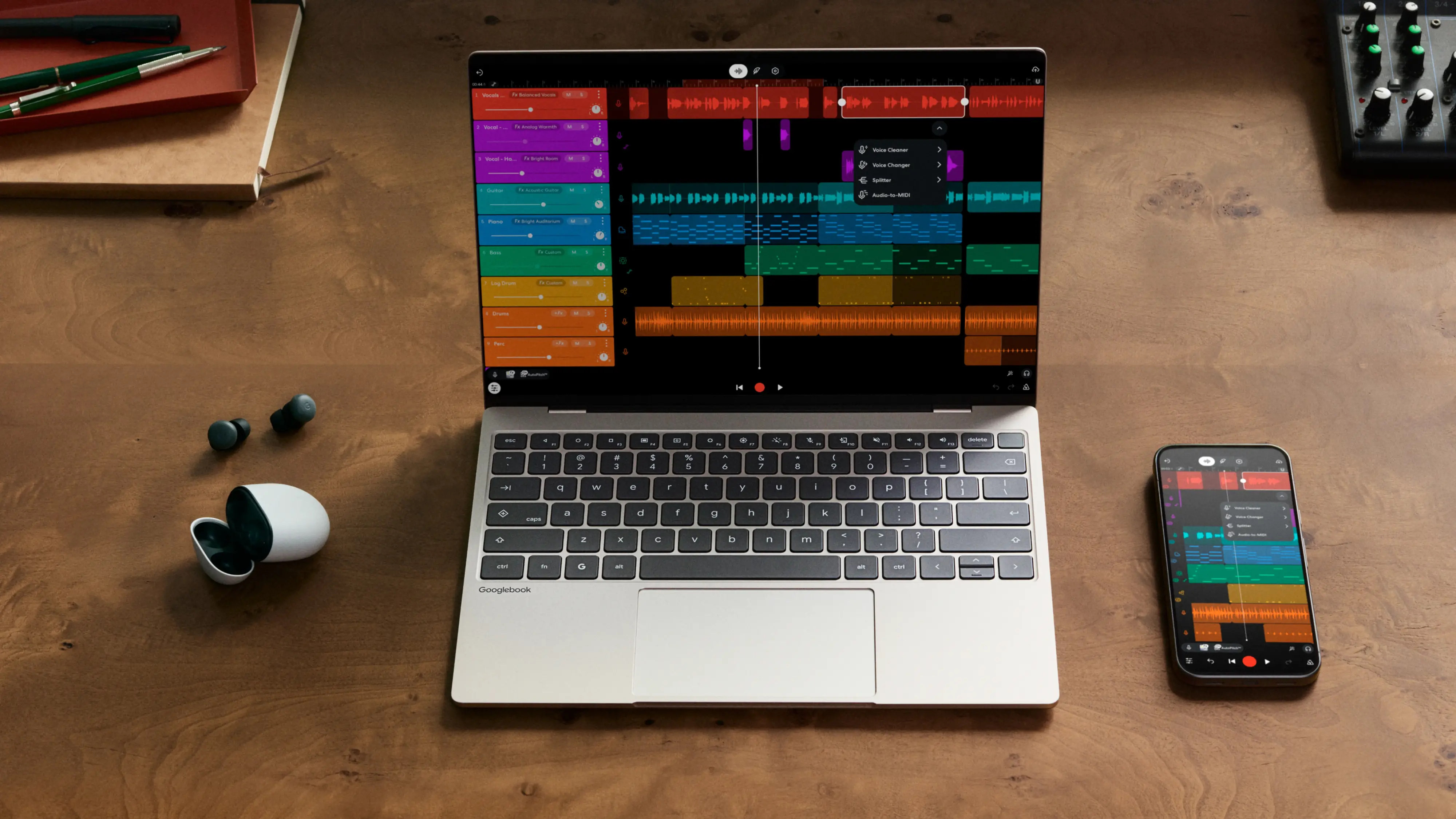
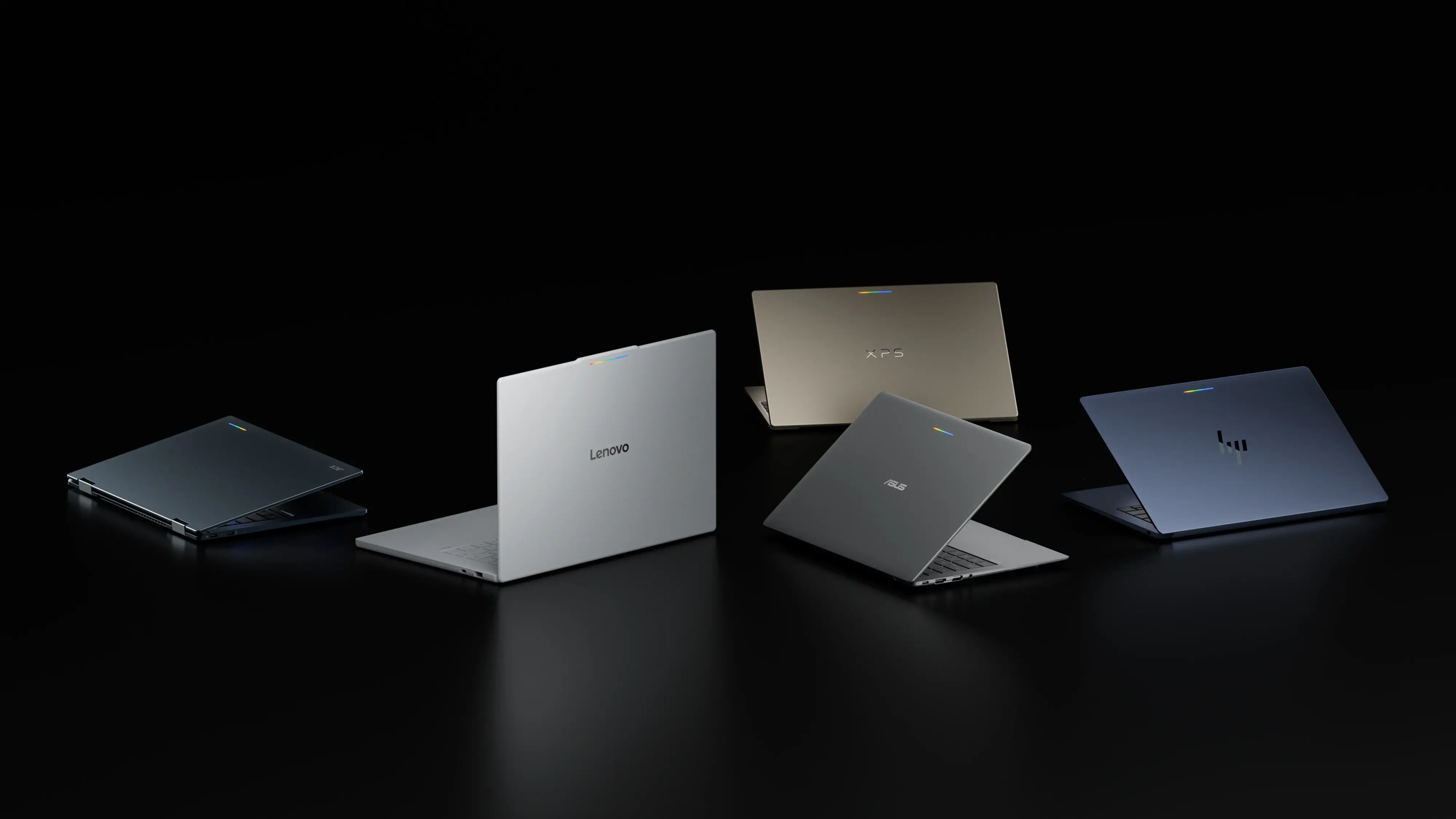
Pre-orders are now open for the first Googlebook laptops from five manufacturers. Starting prices range from $899 to $1,299.

Google is positioning the notebooks as the ultimate companions for Android phone owners. When a user first signs into a Googlebook, it can instantly import the phone's settings, saved passwords, and Wi-Fi connections.

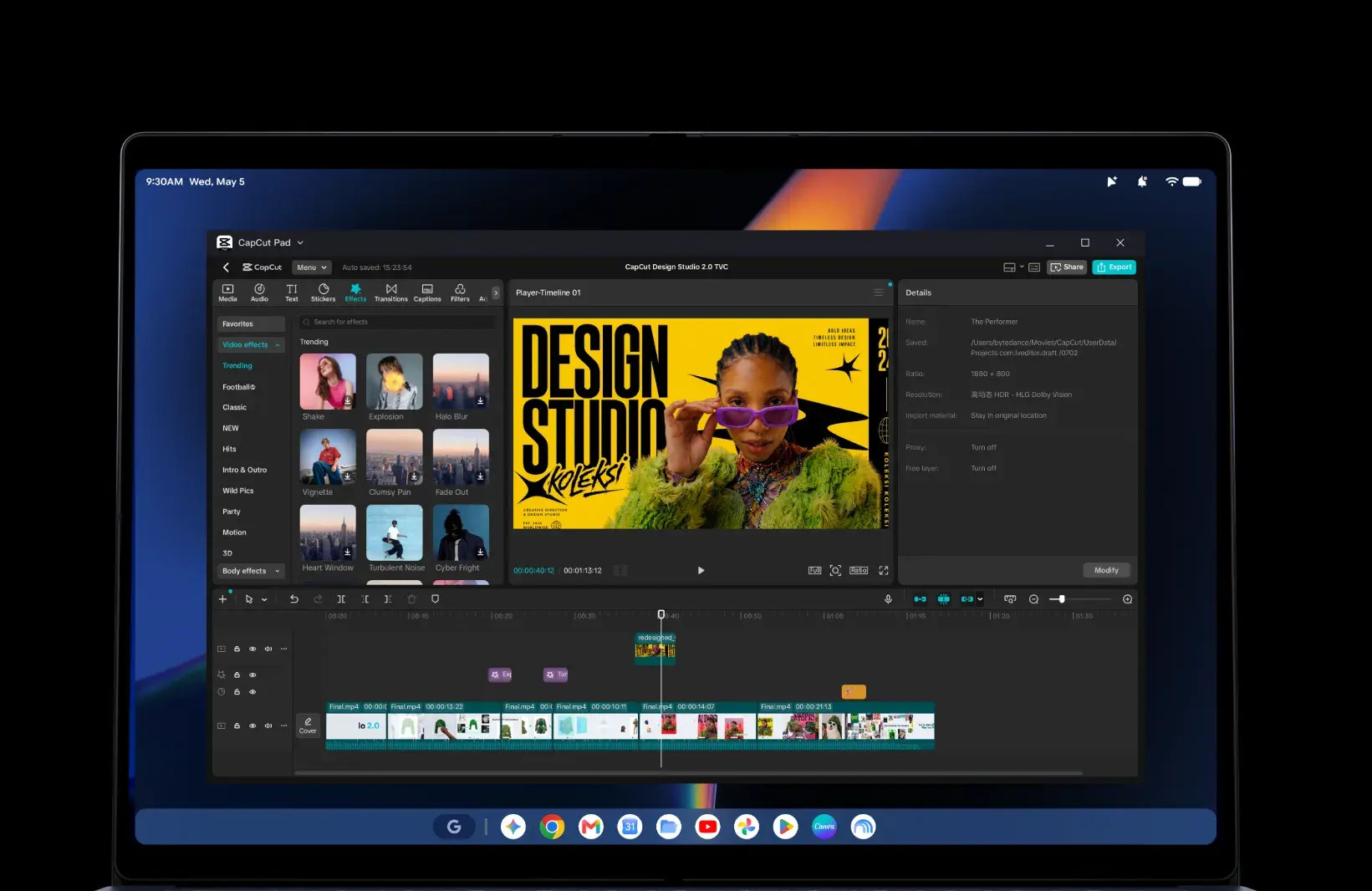
Similar to how Macs can access all the files and apps on a user's iPhone, a Googlebook can seamlessly summon an Android phone's files and messages. Users can start a task on a mobile app and continue on the Googlebook. The machines combine the Android and Chromebook environments by natively supporting Android apps alongside a desktop-grade Chrome experience, complete with extensions.
Unsurprisingly, Google's AI assistant, Gemini, is at the core of the OS. Wiggling the mouse summons the assistant to answer questions and complete various tasks. A dedicated button, called Rambler, also transcribes spoken words into headers, checklists, formatted takeaways, and other documents. Users can also use prompts to create custom widgets or build apps through the Antigravity AI agent platform.

Each Googlebook includes a year of Google AI Pro and three months of YouTube Premium, Adobe Photoshop, and more. Google promises to provide up to a decade of content and feature updates.

The Dell and HP Googlebooks run on Snapdragon X Elite processors, while Intel Core Ultra 5 chips serve as the baseline for the others, and all of the SoCs include NPUs that achieve up to 45 TOPs. With a 13.4-inch 2.5K LCD touchscreen, Dell's XPS Googlebook is the smallest. The others sport 14-inch 2.8K OLED panels, except Lenovo's, which measures 15.3 inches. Starting models all include 16GB of RAM and 512GB of storage, and some are upgradeable to 32GB of memory.
Other features include backlit keyboards, haptic trackpads, and Google's Glowbar, which displays patterns in response to boot cycles, battery level, and AI actions. Google's Titan C2 security chip supports fingerprint readers on all models, while the HP and Lenovo notebooks also include facial unlock. The laptops also feature aluminum, magnesium alloy, and carbon fiber chassis.

Googlebooks will be available starting October 4 in the US and October 5 in Canada, the UK, Ireland, France, Germany, and Australia.

Permalink to story:

 
If you don't like Windows, get a Mac. If you don't like either, use Linux. Who thinks buying a high end laptop to run low-end Android apps on yet another OS is a good idea?

I predict a fire sale on Googlebooks in a year.
 
I wouldn't dismiss this too quickly. A lot of people's lives these days revolve around their phones. If you offer them a device with a full-size keyboard and larger screen that make doing larger tasks easier, yet works just like their android phone, they will snap it up.
 
If you don't like Windows, get a Mac. If you don't like either, use Linux. Who thinks buying a high end laptop to run low-end Android apps on yet another OS is a good idea?

I predict a fire sale on Googlebooks in a year.
The thing of it is, Chromebooks have the ability to provide a Google curated Linux environment by enabling the Linux Development tools. It provides a fully functional Linux environment on which you can install your favorite Linux apps and do all the apt install goodness you'd expect from your favorite Debian distribution. As this has been a VM environment, there are some rough edges (eg getting a microphone to work with the VM). Googlebooks are going to take this a step further by giving linux direct access to the low level hardware.

The Chromebook Plus' of a few years ago can now be had at bargain basement prices on Ebay. An HP Dragonfly Elite, i7 32GB, (used by employees at Google, the workstation at end of lease/aged out) can be had on Ebay for a little over $200. This makes a FANTASTIC Linux machine.

These new Googlebooks will have an even better version of the Linux development environment, again curated by Google, with all the Android-y Google-y exta special sauce on top as a bonus. This is the main draw of the Googlebook for me.

Go ahead an laugh at me using my "simple" Chromebook. I can do the same software engineering (VSCode, Claude) as you do at a much lower workstation cost. (Yeah, you may have an avantage in using team communcation apps... for now.)

These Googlebooks are going to be amazing from a pure Linux perspective.
 
I wouldn't dismiss this too quickly. A lot of people's lives these days revolve around their phones. If you offer them a device with a full-size keyboard and larger screen that make doing larger tasks easier, yet works just like their android phone, they will snap it up.
Most of what people do on their phones doesn't need a $1300 Snapdragon based laptop with tons of cores and RAM. I agree people spend most of their day on their phones, but not doing heavy lifting apps like Mac and Windows are written to do. It seems overkill.

Want a larger screen and keyboard? Get an Android tablet for far less.
 
Google finally admitting Chromebooks needed real apps this whole time, seven years and several failed Android integration attempts later... on the upside, $899 starting price with 16GB RAM in the middle of a memory shortage seems like great timing.
 
Google finally admitting Chromebooks needed real apps this whole time, seven years and several failed Android integration attempts later... on the upside, $899 starting price with 16GB RAM in the middle of a memory shortage seems like great timing.
$900 is average, but the main thing is, if this Google OS peters out, are you left with a boat anchor or can it run any other standard OS?
 
The thing of it is, Chromebooks have the ability to provide a Google curated Linux environment by enabling the Linux Development tools. It provides a fully functional Linux environment on which you can install your favorite Linux apps and do all the apt install goodness you'd expect from your favorite Debian distribution. As this has been a VM environment, there are some rough edges (eg getting a microphone to work with the VM). Googlebooks are going to take this a step further by giving linux direct access to the low level hardware.

The Chromebook Plus' of a few years ago can now be had at bargain basement prices on Ebay. An HP Dragonfly Elite, i7 32GB, (used by employees at Google, the workstation at end of lease/aged out) can be had on Ebay for a little over $200. This makes a FANTASTIC Linux machine.

These new Googlebooks will have an even better version of the Linux development environment, again curated by Google, with all the Android-y Google-y exta special sauce on top as a bonus. This is the main draw of the Googlebook for me.

Go ahead an laugh at me using my "simple" Chromebook. I can do the same software engineering (VSCode, Claude) as you do at a much lower workstation cost. (Yeah, you may have an avantage in using team communcation apps... for now.)

These Googlebooks are going to be amazing from a pure Linux perspective.
Linux users are a very small slice of the personal OS pie. The large majority of people with Android phones wouldn't have a clue what to do with Linux or how to install it. So for people like you, it's a specialized tool that fits your needs/wants/desires. But how many do manufacturers have to sell to make it worthwhile to come out with Gen 2?
 
Back