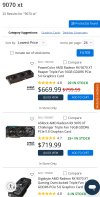
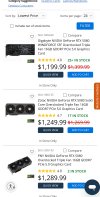
Ripple effect: Just when it seemed like graphics card prices couldn't get much worse, the memory crisis has delivered another unpleasant surprise. Nvidia and AMD GPU prices have surged in China, with some models rising by as much as 20% in a single week and premium cards now selling for almost 60% above their official MSRPs.
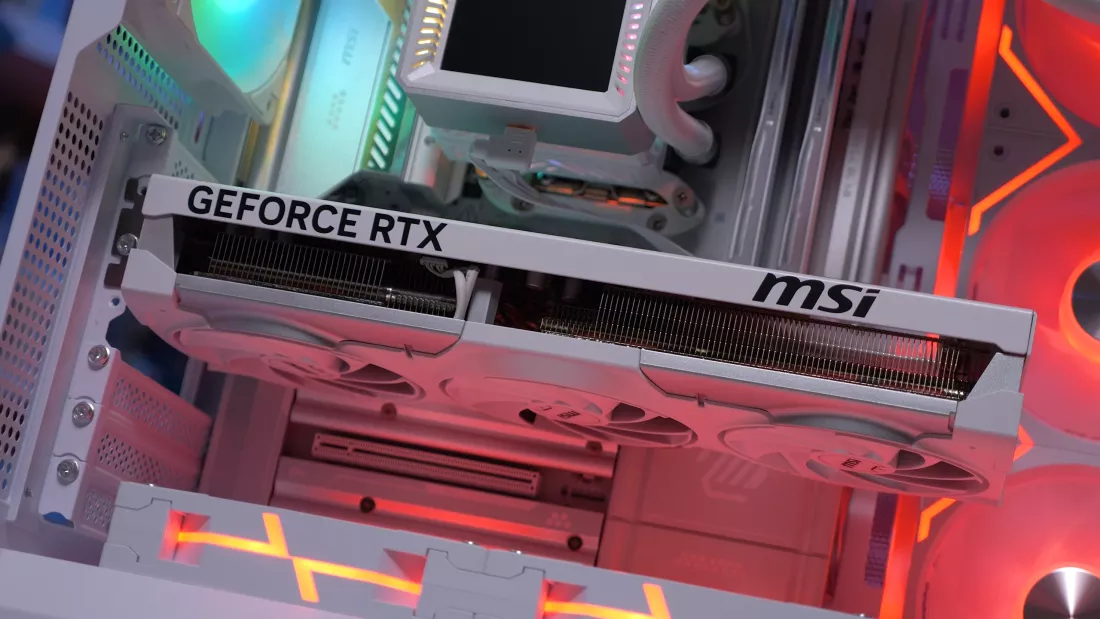
Distributor lists from MSI and Colorful reveal the increases. MSI raised the RTX 5080 Shadow 3X OC and Ventus from 9,999 yuan ($1,477) to 11,999 yuan ($1,773), a 20% jump in seven days. Its RTX 5070 Ti Shadow 3X OC rose 19.5%, while the RTX 5090D V2 increased 13%. What's worse is that these cards were already well above their suggested prices before the latest adjustment.
Comparing the new figures with Nvidia's Chinese MSRPs makes the situation look even worse. MSI's RTX 5070 Ti Gaming Trio OC is now 54% above the base MSRP, while the RTX 5080 Gaming Trio models are around 57% higher. Colorful's RTX 5080 Vulcan W OC is priced at 13,199 yuan ($1,949), 59% above MSRP, and its RTX 5070 Ti Vulcan W OC carries a similar 58.7% premium.
The increases aren't just limited to Nvidia. A market snapshot showed Radeon cards climbing across Chinese retailers, with some RX 9000 models seeing double-digit increases. AMD reportedly warned Asus, XFX, Sapphire, and other partners earlier this month that its GPU-and-memory bundles would become 10% more expensive.
The culprit is, of course, the continuing rise in GDDR6 and GDDR7 costs, combined with more expensive PCBs, coolers, and packaging. Nvidia supplies board partners with GPU and memory kits, so higher VRAM costs are passed directly to manufacturers. Reports claim the latest adjustment adds around 600 yuan ($89) to 8GB cards, 900 yuan ($133) to 12GB models, and 1,200 yuan ($177) to 16GB products.
Even older hardware is being dragged into the chaos. The RTX 3050 has reportedly climbed above $350 in China, while the ancient GT 1030 is approaching $100. Nvidia recently brought the RTX 3060 12GB back to stores at its original $329 MSRP, a move that illustrated just how distorted the GPU market has become.
Some distributors and smaller shops are reportedly stockpiling cards or temporarily removing them from sale, betting that they will fetch higher prices later, which could worsen shortages and accelerate retail price increases. Analysts have warned that RAM prices could rise another 40% to 50% during the third quarter, followed by a further 30% to 40% in Q4.
The figures currently apply to China – we don't know for certain that there will be identical increases elsewhere. However, distributor pricing changes often work their way through global supply chains, and there are rumors that worldwide increases of up to 40% are coming. For PC gamers who have been waiting for things to return to normal, the outlook is becoming increasingly grim, not better.
Graphics card prices jump by up to 20% in China as shops stockpile Nvidia and AMD GPUs