Bottom line: For now, eVTOLs remain niche products – technological curiosities that combine drone automation, recreational aviation, and the promise of personal air mobility. Their development illustrates how digital flight control has simplified piloting, while underscoring how far regulations must evolve before such aircraft can become a practical alternative to driving.
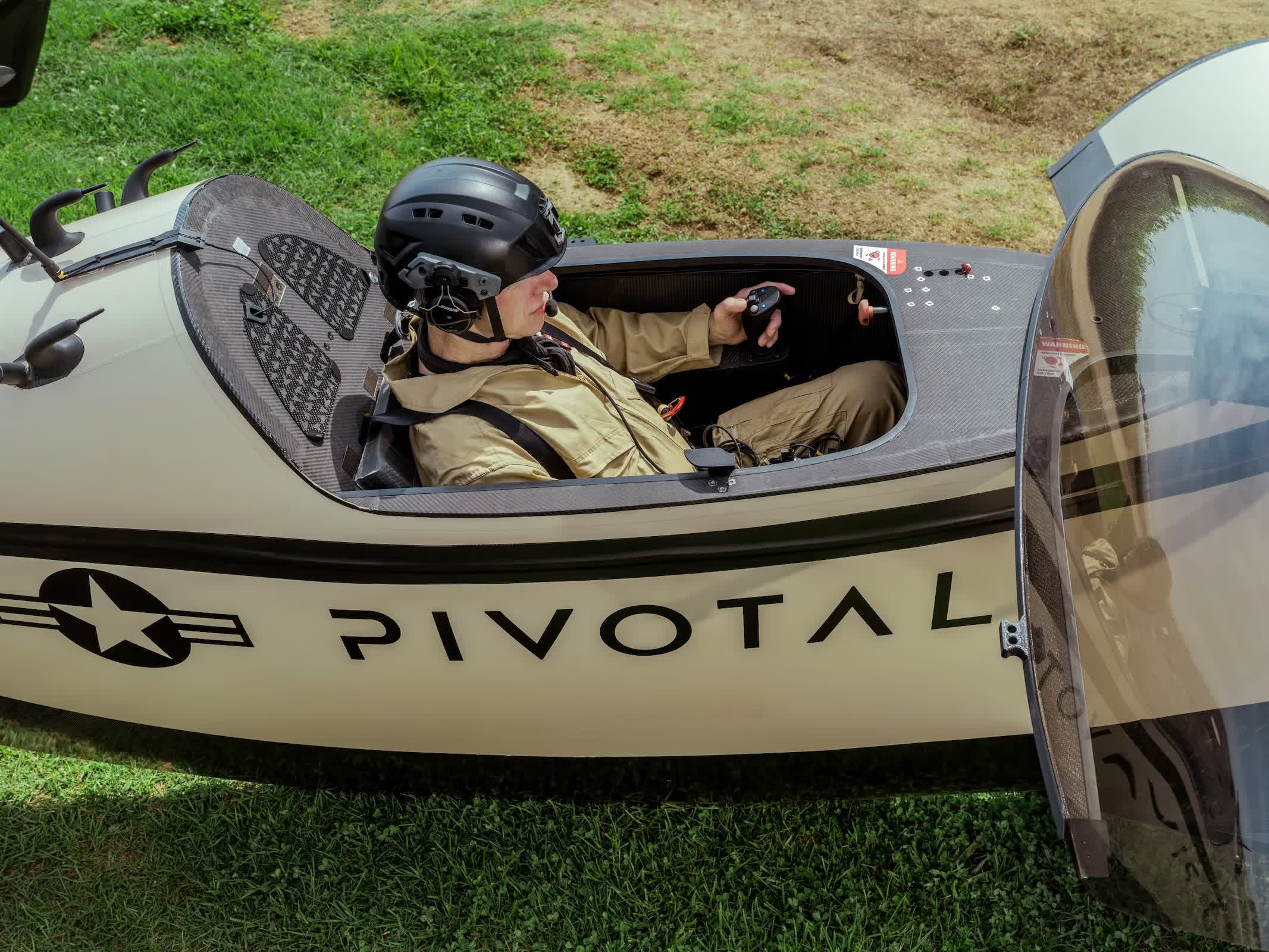
Two decades after electric vehicles began reshaping ground transportation, a new category of electric aircraft is beginning to change perceptions of personal flight. These machines, known as ultralight eVTOLs – short for electric vertical takeoff and landing vehicles – can take off, fly, and land using electric propulsion without relying on airports or runways.
The most prominent model to reach consumers so far is the Pivotal BlackFly, first produced in 2023 by Palo Alto-based Pivotal, formerly known as Opener. The BlackFly is the first series-produced ultralight eVTOL cleared for recreational use under Federal Aviation Administration Part 103 rules. Weighing under 254 pounds and powered entirely by electric rotors, it operates without requiring a pilot's license or a medical certificate.

Although it does not fit the popular image of a "flying car," the single-seat BlackFly marks a technical milestone in private flight. Its fixed-wing, tilt-body design allows it to transition smoothly from vertical lift to forward flight using eight electric propellers. The craft lacks wheels entirely; instead, it takes off and lands on a curved keel that allows limited operation from both land and water, giving it basic amphibious capability.
A single joystick governs most aspects of flight. The joystick's rocker switch manages ascent and descent, while horizontal movement adjusts speed and bank angle. Pilots can switch between two modes – Hover and Cruise – using a trigger on the stick. Hover mode provides stability and precise yaw control for vertical operations. Once airborne, a switch to Cruise mode tilts the craft forward, reducing power to the vertical rotors as the wings begin generating lift.
Much of the flight stability comes from the aircraft's software-driven guidance, navigation, and control system. The onboard computer constantly balances rotor speeds and wing flaps to maintain equilibrium, adjusting automatically to wind or pilot inputs. The system also includes embedded safety algorithms that make it impossible for pilots to stall or enter unrecoverable spins – safeguards similar to those used in drone technology.
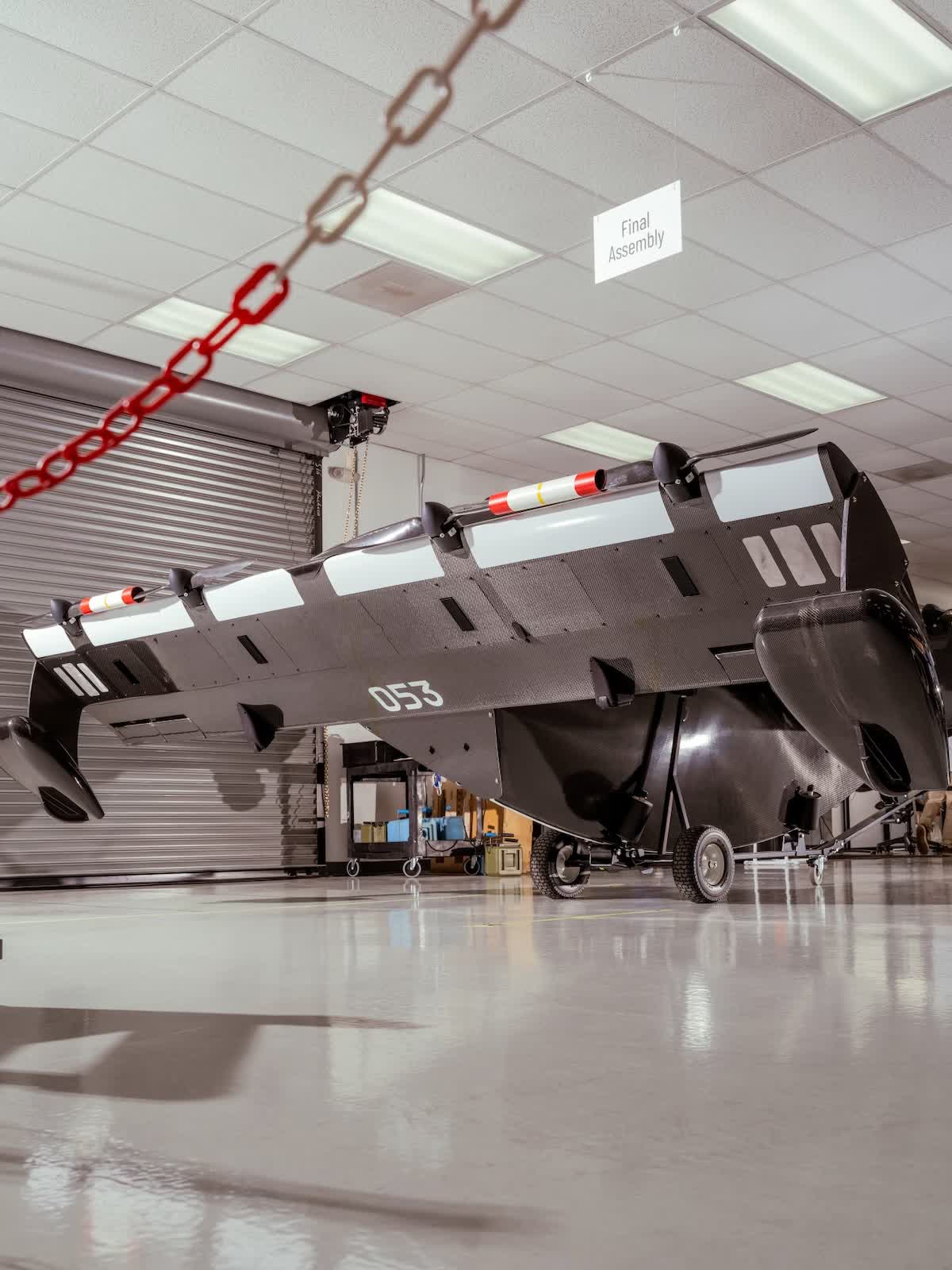
In emergencies, the craft is equipped with a ballistic parachute that deploys from the fuselage to lower the pilot and aircraft safely to the ground.
Because the BlackFly qualifies as an ultralight aircraft under FAA rules, no formal pilot certificate is required. However, Pivotal mandates that all customers complete in-house training before flying independently. At its Palo Alto facility, new owners undergo simulation-based instruction using virtual reality systems paired with motion-enabled seats that mimic takeoff and landing dynamics.
This training is designed to make flight accessible to non-pilots. The company says most people can learn to operate the aircraft in just a few days. The demographic range is broad: Pivotal reports certified BlackFly pilots ranging from teenagers to individuals in their late eighties.
The aircraft's origins date back to 2011, when Canadian inventor Marcus Leng built an early prototype capable of hovering ten feet off the ground. By 2014, Leng's startup, then known as Opener, had attracted investment from Google cofounder Larry Page and relocated to Silicon Valley. The first public demonstration of the production-ready BlackFly took place in 2021 at EAA AirVenture in Oshkosh, Wisconsin.
In 2023, the company rebranded as Pivotal and discontinued the BlackFly by the end of 2024 to focus on its successor, the Helix. The new model carries a list price of about $190,000 and builds upon the BlackFly's configuration with structural and software enhancements.
Despite its autonomous stabilization and ease of control, the BlackFly remains constrained by federal regulations. Ultralight aircraft are restricted to rural or unpopulated areas and may not operate over cities, highways, or at night. These limitations make widespread urban commuting impractical for now, positioning them as recreational rather than utilitarian vehicles.
Many eVTOL startups, such as Joby Aviation, are pursuing fully autonomous air taxis intended for commercial use, but public hesitation over pilotless flight continues to slow mainstream adoption. Pivotal has chosen a contrasting path – designing aircraft that require human input but automate most of the complex aerodynamic control.
Image credit: The Wall Street Journal
How ultralight eVTOLs are bringing personal flight closer than ever


