
In a nutshell: Most commercial buildings with climate control needs utilize chillers during the warm months. These large systems cool down water and pump it throughout a building to regulate temperatures. This works well enough when electricity costs are low but when they spike during peak usage hours, operators end up paying a lot more out of pocket. Now, building managers across the country have turned to ice to help cut electricity cost.
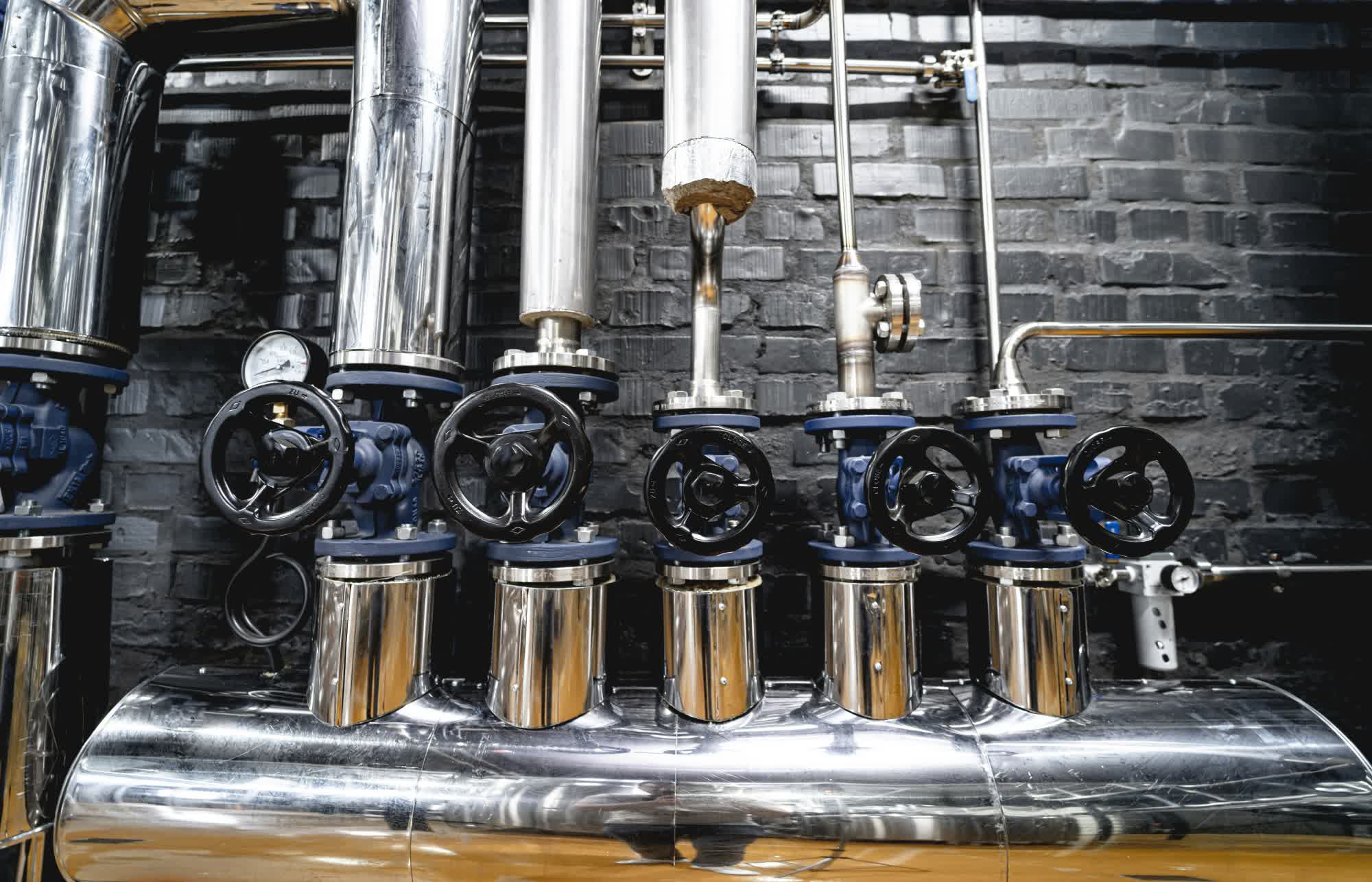
When electricity costs are low, vats of water are frozen to make ice. As energy costs rise during the day, chillers are powered down and the ice is used to cool the water circulating through the building. Simply rinse and repeat each night when electricity costs drop.
These ice batteries effectively allow operators to shift when their buildings are using energy, drawing from the power grid only when electricity is cheapest. According to The Washington Post, large building operators can save hundreds of thousands of dollars annually.
To date, ice batteries have largely been limited to commercial properties with enough space to accommodate huge blocks of ice. One system in the basement of a NYC banking tower, for example, features 100 tanks that are each the size of a conventional parking space. Future designs could shrink the concept, however, opening it up to smaller businesses and even residential homes.
Why not just use conventional batteries to store electricity during non-peak hours, you ask? Cost is one factor. Traditional lithium-ion batteries utilize expensive chemicals that degrade over time and will eventually need to be replaced at an additional cost. Water, however, is plentiful and cheap.
Allison Mahvi, an assistant professor of mechanical engineering at the University of Wisconsin at Madison, said that in theory, you should be able to freeze and thaw something forever. The only ongoing costs in such a system are components that will wear out over time such as heat exchangers, valves, and water pumps. Even these can last for decades before needing to be replaced.
Ice batteries are helping buildings beat the heat and save money


