In brief: After years of experimentation and algorithmic fine-tuning, Reels has emerged as Meta's most promising growth engine. For a company that spent years trying to catch up to TikTok, the next challenge will be proving whether Instagram can lead on screens far larger than a smartphone.
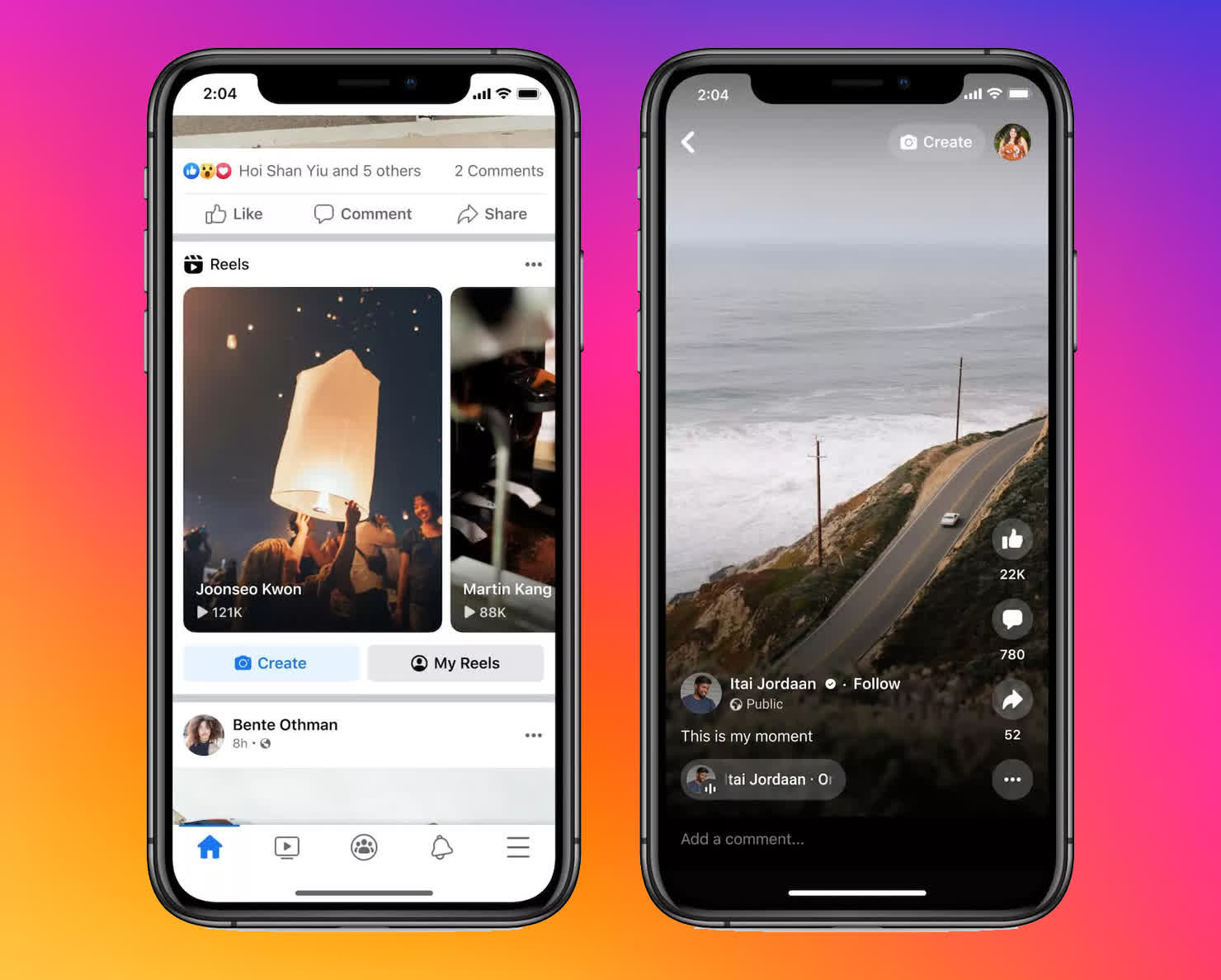
Meta's Reels began as a hasty response to TikTok's viral dominance. Five years later, the company's short-form video product has become one of its most significant revenue engines – expected to generate as much as Coca-Cola or Nike – and is now expanding to television screens.
Mark Zuckerberg said on Meta's October earnings call that Reels across Instagram and Facebook had surpassed a $50 billion annual run rate, signaling that the platform is on track to reach that amount within 12 months. That performance narrows the gap with YouTube, which analysts expect to earn $46 billion from ads this year. Research firm eMarketer projects TikTok's revenue at around $17 billion for the same period.
Zuckerberg credited the growth to Meta's AI-driven content recommendation systems, which he said deliver "higher quality and more relevant content" to users. "Video is a particular bright spot," he noted, highlighting a 30 percent year-over-year increase in the time people spend watching videos on Instagram.
The platform's trajectory hasn't always looked this strong. Internal research conducted just a few years ago showed that Instagram was struggling to compete with TikTok's addictive algorithm. When Reels debuted in 2020, metrics painted a bleak picture – by 2022, users were spending only one-tenth as much time on Reels as they did on TikTok.
Tessa Lyons, Instagram's vice president of product, said the first challenge lay in redefining Instagram's fundamental purpose. The app had thrived as a network for sharing photos among friends and followers, not as a discovery engine for short-form video. "That's an entirely different ranking challenge from the way that we originally had to think about ranking content," Lyons told The Wall Street Journal.
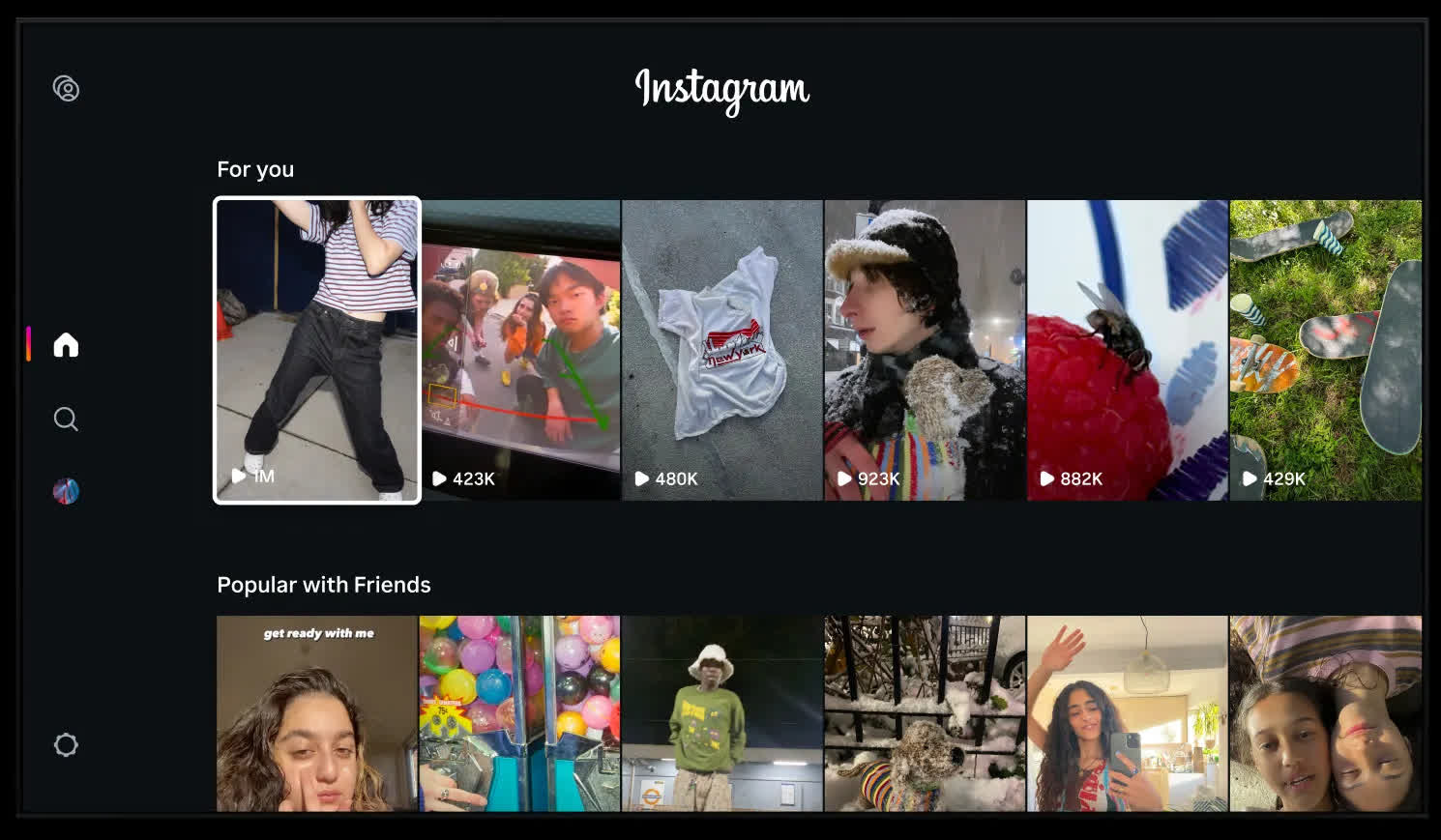
Instagram's algorithm, once centered on the following graph – a metric reflecting relationships defined by who follows whom – had to adapt to TikTok's model, which surfaces videos based on watch time and inferred interests rather than existing social connections. Building that recommendation infrastructure required Meta to develop more sophisticated AI systems capable of interpreting subtle engagement signals in milliseconds.
The company also began subsidizing creators to encourage original posts, generating a feedback loop that sharpened its prediction models. As engagement improved, the system became more precise, allowing Reels to match individual tastes even when users had no prior connection to the creators behind the content.
The growth is now quantifiable. According to market intelligence firm Sensor Tower, the average Instagram user spends 27 minutes per day watching Reels. YouTube Shorts viewers average about 21 minutes, while TikTok maintains its lead on its main feed at 44 minutes per day.
Meta believes that success on mobile is only the beginning. The company has begun testing Instagram for TV, starting with a limited launch on Amazon Fire TV devices in the US. Lyons said internal research revealed that many users were already watching Reels on their televisions by mirroring their phones, prompting Meta to formalize that behavior into a dedicated viewing experience.
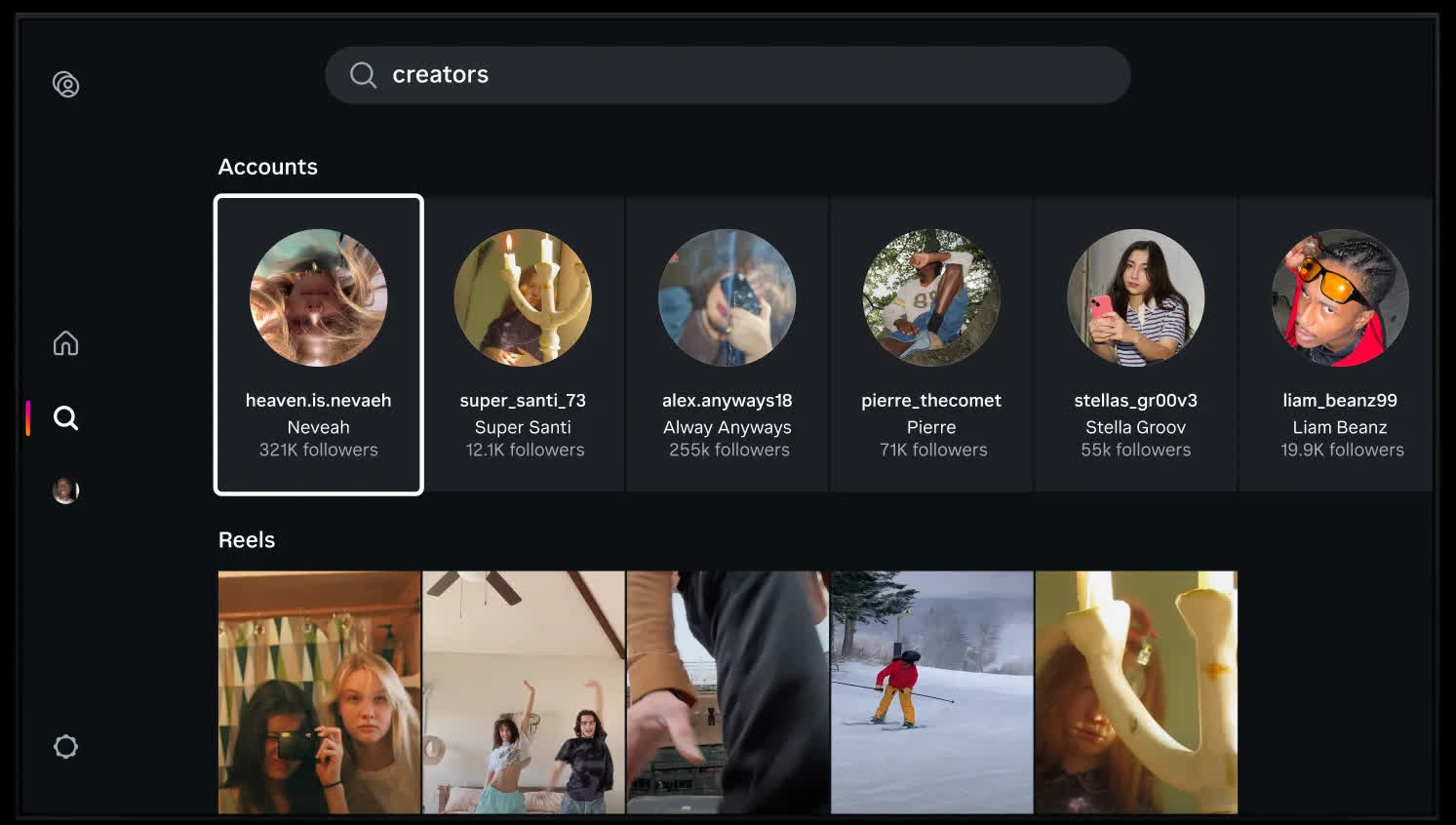
The move positions Instagram as a competitor to YouTube, which has long dominated television screens in the US. Viewership on TV now surpasses YouTube's mobile traffic, a shift Instagram hopes to replicate.
Meta is also refining how users interact with its video feed. In April, Instagram introduced Blend, a feature that allows friends to merge their individual algorithms into a shared video feed. More recently, new controls let viewers guide the algorithm by specifying what they want to see – or avoid – through feedback categories such as "more puppies" or "fewer gender reveal parties gone wrong."
Lyons said these personalization features will carry over to TV. "When you're on TV, you want to be able to just tap into the right type of content, whoever you're sitting with," she explained.
Instagram Reels went from TikTok clone to a $50 billion business for Meta


