Facepalm: Claims adjusters are pushing back as insurance companies put more artificial intelligence into the claims process. The tools are meant to speed up intake, sort documents, and handle simpler cases. But many adjusters say the systems are creating mistakes that workers then have to fix.
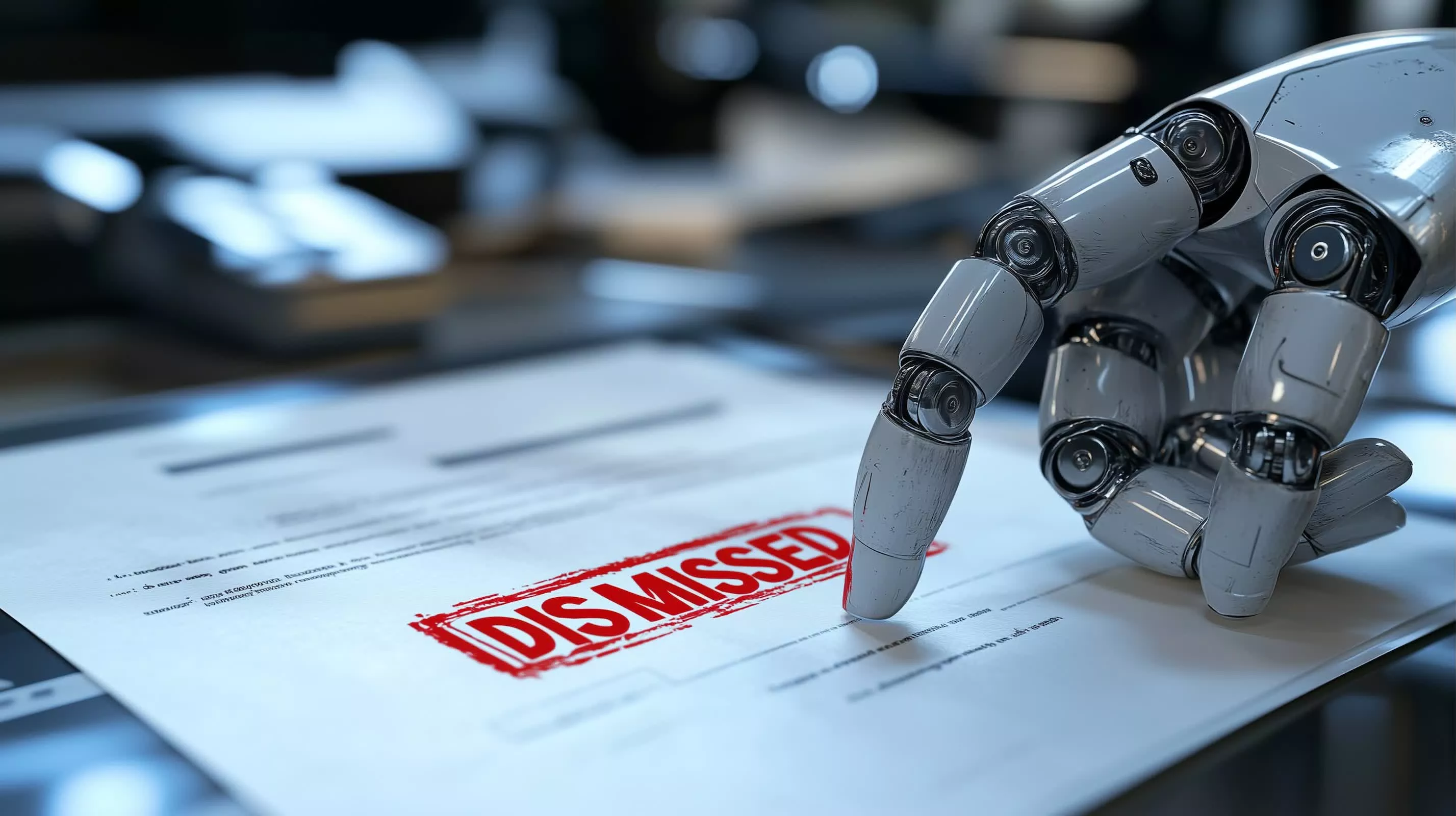
A Glassdoor analysis found that 98% of claims-adjuster reviews mentioning AI were negative – the highest rate of criticism among the occupations reviewed. Workers often complained that company leaders were pushing AI tools that did not work well and were making it harder to serve policyholders.
Ahmad Jackson saw the problem firsthand while working in the claims department at a major insurance company about a year ago. The company began using AI for initial loss reporting, the first stage of a claim when an insurer gathers details about an accident, fire, or other loss.
The goal was to move routine cases through the system faster and send difficult claims to people. Instead, Jackson said the AI often classified claims incorrectly. Adjusters had to transfer those files to the right department and deal with faulty claim summaries.
"AI is getting things wrong," Jackson told Wired. "And it's implementing more work onto the adjusters."
Jackson said he left the company and joined another carrier. He still sees uses for AI in basic administrative tasks, such as extending a rental-car reservation for a claimant. But he does not think it should be trusted with work that requires judgment or detailed knowledge of a claim.
Insurance companies are expanding their use of AI across claims operations. Customers may file a claim through a chatbot instead of speaking with a representative. Insurers can use software to review photos or videos of damaged homes and vehicles, estimate repair costs, and process uploaded receipts and records. AI tools can also summarize medical files that may run hundreds of pages.

Lemonade is among the insurers that have built their claims systems around automation. The company said its AI chatbot Jim handled initial reports 96% of the time by the end of last year. Automation handled about 55% of all claims, the company said.
Paul Staats, a Lemonade spokesperson, said AI will affect jobs in insurance and elsewhere. He said automation can allow employees to focus their "empathy, care, and expertise on the most complex claims." He also said the Glassdoor findings should be taken seriously across the industry.
The rollout comes as claims-adjuster jobs are already under pressure. The Bureau of Labor Statistics said in 2024 that it expected the number of claims adjusters in the United States to fall by 18,900 over the next decade, a 5% decline.
Employment in the sector dropped 21% between May 2025 and May 2026, according to BLS data. Glassdoor also found that entry-level job postings had fallen 50% since 2025.
Chris Martin, Glassdoor's senior economist, said AI criticism often rises when workers worry that their jobs are disappearing or when they believe a company is forcing unreliable technology onto workers and customers.
"There's no jobs, there's no good job prospects," Martin said.
The concern is not limited to job losses. Sandy Avina, a former claims adjuster and insurance consultant, said AI can make costly mistakes when it reads incomplete or poor-quality documents. A smudge on a document from an attorney, for example, can lead to a hallucination. If an AI-generated summary leaves out an important detail from a medical report, it can also result in an inaccurate payout.
In many cases, customers do not know that AI caused the problem. They may assume the adjuster made the mistake.
Geoffrey Conrad, a claims executive in Mobile, Alabama, said adjusters are tired of the steady introduction of new AI systems. "There's an AI fatigue," he said. "We're pretty much exhausted as far as the amount of AI being shoved down our throats."
Conrad said AI can be useful, but it should not be allowed to make final decisions on its own. "AI is just a tool," he said. "It should never be given the keys."
His view is shaped by his own experience as a homeowner. Before he entered the insurance business, Conrad lost his house in a fire. He said that during a crisis, policyholders need more than a computer-generated estimate based on photos.
"I needed somebody to make sure that I'm OK, my family's OK, that we're safe," Conrad said.
Insurance companies keep pushing AI, but 98% of their adjusters' reviews on it are negative


